The Importance of Regular Vet Checkups for Your Pet’s Health
The importance of regular vet checkups goes far beyond getting vaccines or treating visible illness. A routine visit gives your veterinarian the chance to examine your pet from nose to tail, review health risks, check weight, update preventive care, and notice early warning signs that may not be obvious at home. Pets often hide pain, discomfort, or illness, which means owners may not notice a problem until it has already progressed.
A regular pet health checkup is one of the simplest ways to support long-term wellness. It allows your veterinarian to understand what is normal for your pet, track changes over time, and recommend care based on age, breed, lifestyle, and medical history. This is especially important because dogs and cats age faster than humans, and health changes can happen quietly between visits.
In my experience, many pet owners book an appointment only when something looks wrong. That is understandable, but preventive veterinary care is most effective when it starts before a pet becomes sick. A yearly or routine wellness visit can help detect dental disease, weight problems, parasite exposure, skin issues, joint stiffness, and early signs of chronic disease. When these concerns are found early, they are often easier to manage.
This article explains The Importance of Regular Vet Checkups in a clear and practical way. You will learn what happens during a pet wellness exam, how often pets should visit the vet, what health problems may be found, and how to prepare for an appointment.
Why Regular Vet Checkups Matter
Regular vet checkups matter because they create a strong foundation for your pet’s lifelong health. Many health problems do not appear suddenly. They build slowly over weeks, months, or even years. A pet may continue eating, playing, and acting normal while early dental disease, arthritis, weight gain, allergies, kidney changes, or heart concerns are developing in the background. A wellness visit gives the veterinarian a chance to find these concerns before they become more serious.
A routine veterinary care appointment also helps your vet understand your pet’s normal condition. Weight, body condition, behavior, appetite, dental health, skin condition, heart sounds, and movement patterns all become part of your pet’s medical history. When your veterinarian has this baseline, it becomes easier to identify changes later. This is one reason preventive veterinary care is so valuable.
The AVMA explains that wellness exams are important because detecting problems early can make treatment more effective and may help reduce long-term medical costs. Regular visits also give pet owners reliable guidance instead of relying on guesswork or online information that may not apply to their pet’s specific needs.
The Importance of Regular Vet Checkups is also emotional. Pet owners want their dogs and cats to feel comfortable, active, and safe. A checkup gives peace of mind. It helps you know whether your pet is truly healthy or whether a small change needs attention. When care is consistent, pets usually receive better support at every life stage.
Early Detection Can Change Outcomes
Early disease detection is one of the most important reasons to schedule regular vet checkups. Many pet health problems are easier to treat when they are found early. For example, dental disease may begin with mild gum inflammation before it leads to pain, infection, or tooth loss. Weight gain may look minor at first, but over time it can increase pressure on joints and affect mobility. Small lumps, skin changes, or behavior shifts may also need attention before they become more serious.
During a pet wellness exam, the veterinarian checks the full body and asks questions about appetite, thirst, urination, stool, energy, sleep, movement, and behavior. These details can reveal patterns that owners may not connect to health. A dog that sleeps more may be aging normally, but it could also have pain, thyroid changes, or another concern. A cat that drinks more water may need kidney or diabetes screening.
Early detection does not mean every finding is serious. It means the vet can decide what needs monitoring, testing, or treatment. This careful approach helps pets receive the right care at the right time.
Pets Hide Pain Better Than We Think
Dogs and cats are very good at hiding pain. This is one reason The Importance of Regular Vet Checkups should not be underestimated. A pet may still eat, walk, and greet the family while dealing with dental pain, joint stiffness, ear discomfort, skin irritation, or stomach problems. By the time symptoms become obvious, the condition may already be advanced.
Cats are especially skilled at hiding illness. An indoor cat with arthritis may stop jumping onto high surfaces, but the owner may think the cat is simply getting older. A dog with sore teeth may chew on one side of the mouth but still finish meals. These small changes can be easy to miss during daily routines.
A veterinarian is trained to notice subtle signs. They may check gum color, tooth condition, joint range of motion, abdominal comfort, heart rhythm, breathing sounds, skin texture, and body condition. These details help reveal discomfort that pets cannot explain. Regular vet checkups give pets a voice when they cannot show pain clearly.
Checkups Build a Health History
A strong health history is one of the most practical benefits of routine veterinary care. Every visit adds useful information to your pet’s record, including weight, body condition score, dental findings, vaccine status, parasite prevention, diet, behavior notes, past illnesses, medications, and test results. Over time, this creates a clear picture of your pet’s normal health.
This record becomes very helpful when something changes. If your dog loses weight, the vet can compare it with previous visits. If your cat’s bloodwork changes, the vet can review earlier results. If your senior pet becomes less active, the clinic can look back at past mobility notes and decide whether the change is new or gradual.
A health history also improves communication between veterinary team members. If your pet visits the same clinic regularly, the team becomes familiar with your pet’s personality and medical background. This can make future visits smoother and more accurate. It also helps when referrals, travel documents, boarding records, or emergency care are needed.
What Happens During a Pet Wellness Exam?
A pet wellness exam is a complete health review designed to evaluate your pet’s current condition and future health risks. It is not only a vaccine appointment. While vaccines may be part of the visit, the exam usually includes a physical assessment, weight review, dental check, skin and coat evaluation, parasite prevention discussion, nutrition guidance, and behavior questions. Depending on your pet’s age and health status, your veterinarian may also recommend bloodwork, urine testing, fecal testing, or other screening tests.
This type of visit is important because pets cannot explain how they feel. A wellness exam allows the vet to combine physical findings with owner observations. For example, your pet may look healthy at home, but the vet may notice weight changes, gum inflammation, ear infection, a heart murmur, joint stiffness, or a new lump. These findings do not always mean there is a major problem, but they help guide the next step.
A good veterinary exam also includes discussion. Your veterinarian may ask about your pet’s food, treats, water intake, bathroom habits, activity level, sleep, travel, grooming, exposure to other animals, and lifestyle. These questions help the vet understand risk factors. A dog that visits parks may have different vaccine and parasite needs than a dog that rarely leaves home. A cat that lives indoors may still need dental, weight, and age-related monitoring.
Understanding what happens during a pet wellness exam can also reduce stress for owners. When you know what to expect, you can prepare questions, bring records, and make the visit more useful.
| Wellness Exam Component | What the Veterinarian Checks | Why It Matters |
|---|---|---|
| Physical examination | Eyes, ears, nose, mouth, skin, coat, heart, lungs, abdomen, joints | Detects early signs of illness or injury |
| Weight and body condition | Body weight and body condition score | Helps identify obesity, weight loss, or nutritional concerns |
| Vaccination review | Core and lifestyle-based vaccines | Maintains protection against preventable diseases |
| Parasite prevention | Fleas, ticks, heartworms, and intestinal parasites | Reduces parasite-related illnesses and health risks |
| Dental assessment | Teeth, gums, tartar buildup, and oral health | Identifies dental disease before it becomes severe |
| Nutrition evaluation | Diet, treats, feeding schedule, and activity level | Supports healthy growth, weight, and long-term wellness |
| Screening tests | Bloodwork, urine, or fecal exams when appropriate | Helps detect hidden health conditions early |
| Behavior and lifestyle review | Daily habits, environment, travel, exercise, and behavior | Allows personalized preventive care recommendations |
Physical Examination From Nose to Tail
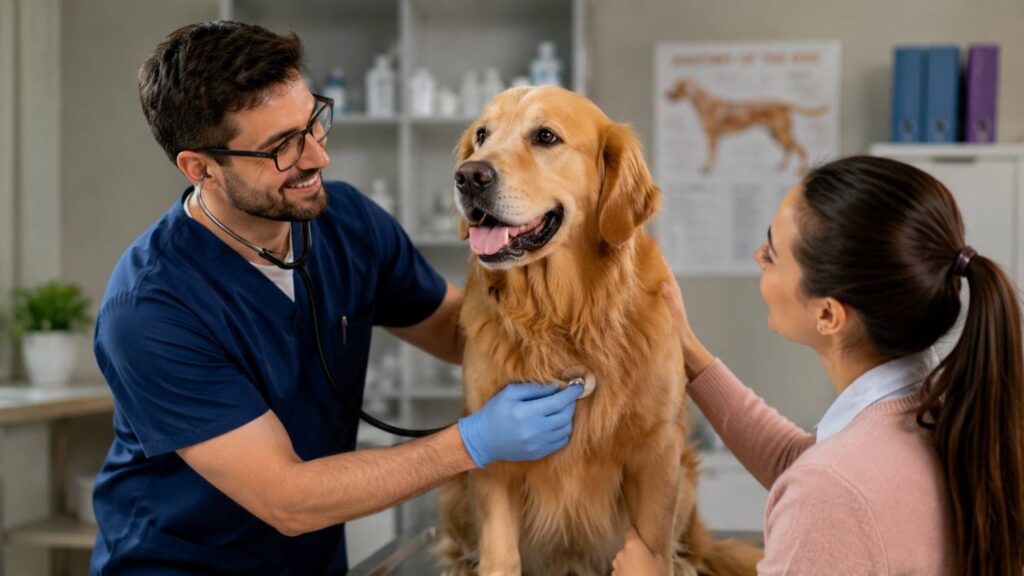
A physical examination is the center of a pet wellness exam. During this part of the visit, the veterinarian checks your pet from nose to tail to look for signs of health or illness. This may include examining the eyes, ears, nose, mouth, teeth, gums, skin, coat, heart, lungs, abdomen, joints, paws, nails, and overall body condition. The vet may also check temperature, pulse, breathing rate, and signs of pain.
Each part of the exam gives useful information. Red gums may point to dental disease. Cloudy eyes may need further evaluation. Ear odor may suggest infection. Dry skin or hair loss may relate to allergies, parasites, nutrition, or hormonal issues. A stiff walk may suggest joint pain or arthritis.
This hands-on assessment is valuable because many problems are not visible from a distance. Owners may notice that a pet is “slowing down,” but the vet can check whether pain, weight, heart health, or another issue may be involved. A complete physical exam helps turn small clues into a clearer care plan.
Vaccines, Parasites, and Lifestyle Risk
Vaccines and parasite prevention are important parts of preventive veterinary care, but they should be based on your pet’s individual needs. The AVMA explains that core vaccines are recommended for most dogs and cats, while non-core vaccines depend on lifestyle and exposure risk. This means your veterinarian may ask whether your pet goes outdoors, travels, boards, visits grooming facilities, meets other animals, or lives in a multi-pet home.
Parasite prevention is also based on risk. Fleas, ticks, intestinal worms, and heartworms can affect pets in many regions. Mosquitoes can transmit heartworm disease, and ticks can carry harmful infections. Even pets that spend most of their time indoors may still face exposure through insects, other animals, travel, or household environments.
Your vet may recommend fecal testing, heartworm testing, flea and tick prevention, deworming, or year-round parasite protection depending on your area. The goal is not to over-treat. The goal is to create a prevention plan that matches your pet’s real-world risk. This is why regular vet checkups are much more useful than a one-size-fits-all approach.
Nutrition, Weight, and Daily Habits
Nutrition and weight management are major parts of a pet health checkup. Many pets slowly gain weight because of extra treats, large portions, reduced activity, or age-related changes. Owners may not notice the weight gain because they see the pet every day. During a wellness visit, the veterinarian can check body condition and explain whether your pet is underweight, overweight, or at a healthy size.
Diet advice should be specific to the pet. A growing puppy has different needs than an adult dog. A senior cat may need different support than a young indoor cat. Pets with allergies, kidney disease, diabetes, digestive issues, or joint problems may also need special nutrition guidance.
Daily habits matter too. Your vet may ask how much your pet eats, what brand or type of food you use, how many treats are given, how much exercise the pet gets, and whether appetite or thirst has changed. These details help identify early health concerns and support better long-term care. In many cases, small feeding and activity changes can make a big difference.
How Often Should Pets Go to the Vet?
How often pets should go to the vet depends on age, species, breed, lifestyle, and health condition. A healthy adult pet may need one annual vet visit, while puppies, kittens, senior pets, and pets with chronic disease may need more frequent appointments. There is no single schedule that fits every animal, which is why your veterinarian should help create a plan based on your pet’s needs.
Regular vet checkups are especially important because pets age faster than people. A year can bring meaningful changes in weight, dental health, mobility, organ function, and behavior. What seemed normal last year may not be normal now. This is why many veterinary teams recommend yearly wellness exams for adult dogs and cats, even when they appear healthy.
Young pets need more visits because they are growing, building immunity, and learning early behavior patterns. Senior pets need closer monitoring because age-related conditions can develop quickly. Pets with diabetes, kidney disease, heart disease, allergies, arthritis, dental disease, or long-term medications may also need follow-up visits to monitor treatment and adjust care.
Indoor pets should not be ignored either. Indoor cats can still develop dental disease, obesity, arthritis, urinary problems, kidney disease, and behavior concerns. Dogs that stay mostly at home can still face parasite exposure, weight changes, skin issues, and vaccine needs. The Importance of Regular Vet Checkups applies to all pets, not only those that spend time outdoors.
| Pet Life Stage | Typical Checkup Frequency | Main Focus During Visits |
|---|---|---|
| Puppies | Every 3–4 weeks until vaccine series is complete | Vaccinations, parasite control, growth monitoring, nutrition, and socialization |
| Kittens | Every 3–4 weeks until vaccine series is complete | Vaccinations, deworming, development, and preventive care |
| Healthy Adult Dogs | At least once a year | Wellness exam, vaccinations, dental health, parasite prevention, and weight management |
| Healthy Adult Cats | At least once a year | Routine physical exam, vaccination review, dental care, and nutrition assessment |
| Senior Dogs | Every 6–12 months (as recommended by the veterinarian) | Bloodwork, arthritis screening, chronic disease monitoring, and mobility evaluation |
| Senior Cats | Every 6–12 months (as recommended by the veterinarian) | Kidney health, thyroid screening, dental care, weight monitoring, and age-related disease detection |
Puppies and Kittens Need More Frequent Visits
Puppies and kittens need more frequent veterinary visits because their bodies are developing quickly. Early visits help monitor growth, build vaccine protection, check for parasites, and guide owners through important care decisions. These appointments often include physical exams, vaccine schedules, deworming, nutrition advice, behavior guidance, and discussion about spaying or neutering.
Young pets are also more vulnerable to certain infections and parasites. A veterinarian can explain which vaccines are needed, when they should be given, and how to protect the pet before immunity is fully developed. This is especially important for puppies that may visit parks, training classes, grooming facilities, or boarding environments.
These early visits also give owners a chance to ask practical questions. Many new pet owners need help with feeding amounts, house training, litter box habits, chewing, scratching, socialization, grooming, and safe home setup. A puppy wellness visit or kitten vet visit is not only about medical care. It helps create a strong foundation for a healthier, better-adjusted pet.
Adult Dogs and Cats Usually Need Yearly Exams
Healthy adult dogs and cats usually benefit from a yearly pet wellness exam. Even if a pet looks active and happy, a full checkup can reveal early changes in dental health, weight, skin, ears, joints, heart, lungs, and overall body condition. This annual vet visit also helps keep vaccines, parasite prevention, and medical records current.
For adult dogs, the vet may discuss lifestyle risks such as dog parks, travel, boarding, swimming, hiking, grooming visits, or exposure to other animals. These details can affect vaccine and parasite recommendations. For adult cats, the vet may focus on weight, dental care, urinary health, stress, behavior, and age-related changes.
A yearly visit is also a good time to review food, treats, exercise, grooming, and behavior. Many health concerns begin with small changes that owners may not notice right away. For example, gradual weight gain, mild bad breath, or reduced play may seem normal but can point to bigger concerns. Routine veterinary care helps catch these signs earlier.
Senior Pets May Need Checkups Every Six Months
Senior pets often need more frequent care because health changes can happen faster with age. Many veterinarians recommend senior pet exams every six months, especially for pets with known medical conditions or age-related concerns. A six-month interval gives the vet more chances to track weight, mobility, dental health, organ function, pain levels, and behavior.
Older dogs and cats may develop arthritis, kidney disease, heart disease, dental disease, vision problems, thyroid changes, diabetes, cognitive changes, or cancer. These conditions may start slowly. A pet may sleep more, walk less, drink more water, lose weight, gain weight, or become less social. Owners may assume these changes are just normal aging, but many age-related problems can be managed with proper care.
A senior pet exam may include bloodwork, urine testing, blood pressure checks, dental assessment, pain evaluation, and nutrition advice. The goal is not only to extend life but to improve quality of life. Senior pets deserve comfort, mobility, and careful monitoring as they age.
Common Health Problems Found During Routine Checkups
Routine veterinary care often identifies health concerns before they become obvious at home. Some problems are mild and simple to manage, while others need testing, treatment, or long-term monitoring. The value of regular vet checkups is that they help bring these issues to light early, when the care plan may be easier and more effective.
Common findings during wellness exams include dental disease, weight changes, skin infections, ear problems, parasites, joint stiffness, eye changes, new lumps, heart murmurs, digestive concerns, and behavior changes. These issues may not seem connected, but they all affect comfort and quality of life. A pet that has dental pain may eat less or become irritable. A pet with arthritis may stop playing. A pet with itchy skin may sleep poorly or develop wounds from scratching.
Regular checkups also help your veterinarian decide when screening tests are useful. Bloodwork, urine testing, fecal testing, and heartworm testing can provide information that a physical exam alone cannot show. This is especially helpful for senior pets and pets with symptoms such as weight loss, increased thirst, vomiting, diarrhea, low energy, or appetite changes.
In my experience, owners often say, “I thought it was just age,” or “I did not know that was a problem.” This is why preventive veterinary care matters. It helps separate normal changes from warning signs and gives pets better support before discomfort becomes severe.
Dental Disease and Oral Pain
Dental disease is one of the most common health concerns found during regular vet checkups. Many pet owners notice bad breath but do not realize it may be a sign of oral infection, gum inflammation, tartar buildup, or tooth pain. Dental disease can make eating uncomfortable and may lead to tooth loss if it is not managed properly.
During a pet wellness exam, the veterinarian checks the teeth, gums, breath, jaw comfort, and visible tartar. They may recommend home dental care, dental chews, tooth brushing, or professional dental cleaning depending on the condition of the mouth. Not every pet needs the same dental plan, so the exam helps guide the right next step.
Dental care for pets is not only cosmetic. A healthy mouth supports better comfort and overall wellness. Pets cannot tell us when a tooth hurts, and many continue eating even with oral pain. Regular vet checkups give the veterinarian a chance to find these problems before they become advanced.
Parasites and Infectious Disease Risk
Parasites can affect pets even when they look healthy. Fleas, ticks, intestinal worms, mites, and heartworms can cause discomfort, illness, and in some cases serious disease. Some parasites can also create health concerns for people, especially children, older adults, or anyone with a weakened immune system. This makes parasite prevention an important part of routine veterinary care.
During a wellness exam, the vet may ask about your pet’s lifestyle, outdoor exposure, travel, contact with other animals, and prevention history. They may recommend fecal testing to check for intestinal parasites or heartworm testing for dogs depending on local risk. Flea and tick prevention may also be discussed based on the pet’s environment.
Infectious disease risk is another reason regular checkups matter. Vaccines and prevention plans should be updated based on age, lifestyle, and exposure. A pet that boards or visits parks may need different protection than one that rarely leaves home. Regular veterinary visits help keep this plan current.
Weight, Skin, Ears, and Joint Problems
Weight changes, skin problems, ear infections, and joint stiffness are commonly found during pet health checkups. These issues can develop slowly and may be easy to overlook. A dog that scratches often may have allergies, fleas, infection, or skin irritation. A cat that stops jumping may have arthritis. A pet with recurring ear odor may have an infection or allergy-related inflammation.
Weight is especially important because even small changes can affect health. Excess weight may increase stress on joints, reduce energy, and make certain medical conditions harder to manage. On the other hand, unexplained weight loss may point to dental disease, digestive problems, thyroid changes, kidney disease, or other health concerns.
Joint problems are also common, especially in senior pets, large dog breeds, and pets that are overweight. During a checkup, the vet may watch how your pet walks, check range of motion, and ask about stairs, jumping, stiffness, or exercise tolerance. Early support can improve comfort and mobility.
Regular Vet Checkups vs. Sick Visits
Regular vet checkups and sick visits both play important roles, but they serve different purposes. A wellness checkup is preventive. It is designed to evaluate your pet when they seem healthy, update preventive care, and identify early changes. A sick visit is problem-focused. It is scheduled when your pet has symptoms such as vomiting, diarrhea, coughing, limping, itching, appetite loss, pain, injury, or unusual behavior.
Understanding this difference helps pet owners make better decisions. Some owners wait until a pet is clearly sick before visiting the vet. While sick visits are necessary, they often happen after a problem has already caused discomfort. Regular vet checkups can help reduce that risk by finding small problems earlier.
A wellness visit may include a full physical exam, vaccine review, parasite prevention plan, dental check, weight review, and nutrition discussion. A sick visit may include diagnostic testing, medication, treatment, and follow-up care. Both are useful, but preventive care gives you more control because it allows problems to be managed before they become urgent.
| Visit Type | Main Purpose | Best Time to Book | Common Services |
|---|---|---|---|
| Regular vet checkup | Prevent disease and monitor health | When the pet seems healthy | Physical exam, vaccines, parasite prevention, nutrition advice |
| Sick visit | Diagnose symptoms or sudden illness | When signs appear | Exam, testing, medication, treatment plan |
| Senior pet exam | Monitor age-related changes | Every 6–12 months, based on vet advice | Bloodwork, pain review, dental exam, chronic disease screening |
| Puppy/kitten visit | Support early growth and immunity | Early life stage | Vaccine series, deworming, nutrition, behavior advice |
The Importance of Regular Vet Checkups becomes clearer when you see how preventive visits and sick visits work together. Wellness care builds protection. Sick care treats problems. A complete health plan needs both.
Why Wellness Visits Save Stress
Wellness visits can save stress because they happen before a pet is in crisis. When your dog or cat is healthy and comfortable, the appointment is usually calmer for both the pet and the owner. There is more time to ask questions, discuss prevention, review lifestyle risks, and make thoughtful decisions without the pressure of an emergency.
A routine pet wellness exam also helps your pet become more familiar with the clinic environment. For some pets, regular low-stress visits can reduce fear over time because every appointment is not linked to pain, illness, or urgent treatment. Your veterinary team may also suggest handling tips, carrier training, or anxiety-reducing strategies for future visits.
From the owner’s side, wellness visits reduce uncertainty. Instead of wondering whether a small change matters, you can ask your veterinarian directly. You can discuss diet, vaccines, parasite prevention, dental care, behavior, travel, and aging in one planned appointment. This creates a clearer care plan and often prevents last-minute panic.
Why Sick Visits Still Matter
Sick visits are still very important because preventive care cannot stop every health problem. Pets can become injured, develop infections, eat something harmful, experience allergic reactions, or show sudden symptoms even when they receive regular checkups. When this happens, a sick visit allows the veterinarian to focus on the immediate concern and recommend treatment.
A sick visit may include a physical exam, diagnostic testing, medication, imaging, fluid therapy, wound care, or referral depending on the problem. Symptoms such as repeated vomiting, breathing trouble, collapse, seizures, severe pain, bleeding, inability to urinate, or sudden weakness should never wait for a routine appointment.
The key is to understand that sick visits and regular vet checkups are not competitors. They support each other. Wellness visits help reduce preventable risks, while sick visits handle problems that need timely medical care. If your pet seems unwell, it is always better to contact a veterinarian than to wait and hope the issue passes.
How Both Work Together
A complete pet care plan uses both preventive visits and sick visits. Regular vet checkups help your veterinarian understand your pet’s normal health. This makes sick visits more effective because the vet can compare current symptoms with previous records. For example, if your pet suddenly loses weight, earlier weight records can show how fast the change happened.
Wellness visits also help identify risks before they become active problems. If the vet notices early dental disease, a care plan can start before severe pain develops. If a senior pet’s bloodwork begins to change, monitoring can begin before advanced illness appears. If a dog is gaining weight, feeding changes can start before joint strain worsens.
Sick visits then provide targeted care when something unexpected happens. Together, both types of visits create a balanced approach. Preventive care protects long-term health, and problem-focused care responds when symptoms appear. This is one of the most practical reasons The Importance of Regular Vet Checkups should be part of every pet owner’s routine.
How to Prepare for a Regular Vet Checkup
Preparing for a regular vet checkup helps your veterinarian make better recommendations and helps you get more value from the appointment. Many pet owners arrive at the clinic and forget small details that could be important. A little preparation before the visit can make the discussion clearer, faster, and more useful.
Start by gathering your pet’s medical records if the clinic does not already have them. This may include vaccine history, previous bloodwork, medication details, surgery records, allergy history, and any past diagnoses. If your pet has visited another veterinarian, emergency clinic, groomer, boarding facility, or rescue organization, those records may help your current vet understand the full picture.
Next, think about your pet’s daily routine. Your vet may ask about food, treats, water intake, bathroom habits, sleep, energy, exercise, behavior, grooming, and exposure to other animals. These details may seem simple, but they can reveal important health patterns. For example, increased thirst can be linked to several medical conditions. Reduced jumping may suggest pain. Bad breath may signal dental disease.
It is also helpful to write down questions before the visit. Owners often remember concerns after they leave the clinic. A short list makes sure your most important questions are answered. If possible, bring photos or videos of symptoms that do not happen all the time, such as coughing, limping, scratching, or unusual behavior.
Bring Records and Medication Details
Bringing complete records and medication details helps your veterinarian avoid guesswork. If your pet has received vaccines, bloodwork, dental treatment, surgery, allergy care, or emergency treatment elsewhere, those records can be very useful. They help the vet see what has already been done and what may still be needed.
Medication details are especially important. Bring the names, doses, and frequency of any prescription medicines, supplements, flea and tick products, heartworm prevention, vitamins, or over-the-counter products your pet receives. If you are unsure of the names, bring the packaging or take clear photos of the labels.
This information helps prevent unsafe combinations and duplicate treatments. It also helps your vet understand whether a current problem may be related to medication, diet, or supplement use. In routine veterinary care, small details can change the recommendation. A well-prepared owner helps the vet make safer and more accurate decisions.
Write Down Questions Before You Go
Writing down questions before a vet appointment is one of the simplest ways to make the visit more productive. Many pet owners have concerns at home but forget them once they are in the exam room. A short list keeps the conversation focused and ensures important topics are not missed.
Useful questions may include: Is my pet at a healthy weight? Are the vaccines current? Does my pet need dental care? Is parasite prevention suitable for our area? Should we consider bloodwork this year? Is my pet’s food still a good choice? Are there early signs of arthritis, allergies, or age-related disease?
You can also write down changes you have noticed. These may include appetite changes, increased thirst, vomiting, diarrhea, coughing, scratching, bad breath, stiffness, hiding, aggression, or reduced energy. Even if the change seems small, it may help your veterinarian identify a pattern. A prepared question list turns a regular vet checkup into a more complete health discussion.
Share Lifestyle Details Honestly
Sharing lifestyle details honestly helps your veterinarian create a prevention plan that actually fits your pet. Your vet needs to know whether your pet goes outdoors, visits dog parks, travels, boards, swims, hikes, hunts, meets other animals, or lives with multiple pets. These details affect vaccines, parasite prevention, nutrition, behavior advice, and screening recommendations.
For cats, it is helpful to explain whether they are fully indoors, go outdoors sometimes, live with other cats, show stress behaviors, or have litter box issues. Indoor cats still need regular checkups, but their risk profile may differ from outdoor cats. For dogs, exposure to other animals, standing water, ticks, mosquitoes, and travel can change the prevention plan.
Your veterinarian is not there to judge your routine. Honest answers help protect your pet. If a pet misses prevention doses, eats table food, gains weight, or becomes harder to handle, say so. Clear information allows the veterinary team to offer realistic solutions instead of generic advice.
Preventive Care Checklist for Pet Owners
A preventive care checklist helps pet owners stay organized between veterinary visits. While your veterinarian should always guide your pet’s care plan, a simple checklist can help you remember what to monitor and when to ask for help. Preventive veterinary care is not one single action. It includes regular exams, vaccines, parasite prevention, dental care, nutrition, weight management, exercise, behavior support, and early response to symptoms.
The Importance of Regular Vet Checkups becomes stronger when owners also pay attention at home. You see your pet every day, which means you are often the first person to notice changes. Your veterinarian sees the medical side, while you see the daily routine. When both perspectives come together, pets receive better care.
A yearly checklist may include a wellness exam, vaccine review, parasite prevention review, dental check, body condition assessment, nutrition discussion, and age-based screening tests. Senior pets may need more frequent monitoring. Puppies and kittens may need a structured vaccine and deworming schedule. Pets with chronic conditions may need regular follow-up appointments.
At-home monitoring is just as important. Watch how your pet eats, drinks, moves, sleeps, plays, and interacts. Notice changes in breath, coat, skin, weight, stool, urination, and energy. These observations help your veterinarian decide whether a concern is minor, urgent, or worth testing.
Yearly Wellness Checklist
A yearly wellness checklist gives pet owners a simple way to stay on track. At least once a year, most adult pets should have a full physical exam. This exam allows the vet to check the mouth, teeth, skin, coat, heart, lungs, abdomen, joints, ears, eyes, weight, and body condition. It also gives the owner time to ask questions about daily care.
The yearly visit should also include a vaccine review. Your pet may not need every vaccine every year, but the vet can explain what is due and what is based on lifestyle risk. Parasite prevention should also be reviewed, including fleas, ticks, intestinal worms, and heartworm risk where relevant.
Dental health should not be skipped. Bad breath, tartar, red gums, or chewing discomfort may require care. Nutrition and weight should also be discussed because diet changes may be needed as pets age. This yearly checklist keeps preventive veterinary care organized and helps reduce missed health concerns.
At-Home Monitoring Checklist
At-home monitoring helps you notice changes between regular vet checkups. You do not need medical training to observe your pet’s daily habits. Start by watching appetite, thirst, bathroom habits, energy, sleep, walking, jumping, grooming, and behavior. A change in any of these areas may be worth discussing with your veterinarian.
Common warning signs include bad breath, weight gain, weight loss, vomiting, diarrhea, coughing, limping, stiffness, itching, hair loss, ear odor, new lumps, hiding, aggression, or reduced interest in play. Some signs may be mild, but repeated or worsening symptoms should not be ignored.
It is also useful to take photos or videos when a symptom appears. For example, if your dog limps only after exercise or your cat coughs occasionally, a video can help the veterinarian understand what you are seeing. At-home observations do not replace a veterinary exam, but they make the exam more informed and useful.
When to Book Sooner Than Planned
Sometimes pets need care before their next scheduled wellness exam. You should book sooner if your pet shows sudden, repeated, painful, or unusual symptoms. Examples include vomiting more than once, diarrhea that does not improve, coughing, breathing trouble, appetite loss, major behavior changes, limping, wounds, swelling, excessive thirst, difficulty urinating, or signs of pain.
Do not wait for an annual vet visit if something feels wrong. Early care can prevent discomfort and may reduce the risk of complications. This is especially important for puppies, kittens, senior pets, and pets with existing medical conditions because they may become worse more quickly.
Emergency signs need immediate veterinary attention. These may include collapse, seizures, severe bleeding, trouble breathing, inability to urinate, repeated vomiting, extreme weakness, suspected poisoning, or serious injury. Regular vet checkups are important, but urgent symptoms should always be handled quickly.
Quick Answer About The Importance of Regular Vet Checkups
The importance of regular vet checkups is that they help protect your pet’s health before problems become serious. A routine veterinary visit allows the vet to check your pet’s weight, teeth, skin, coat, heart, lungs, joints, vaccine status, parasite risk, nutrition, and overall comfort. These visits are not only for sick animals. They are part of preventive veterinary care, which means the goal is to find early warning signs, reduce avoidable health risks, and support a longer, healthier life.
For most healthy adult pets, a yearly pet wellness exam is commonly recommended. Puppies, kittens, senior pets, and pets with ongoing medical conditions may need more frequent visits. In my experience, many owners are surprised when a routine checkup finds dental pain, weight gain, arthritis, skin allergies, or early illness before the pet shows obvious symptoms at home. Regular vet checkups also give owners a chance to ask questions about food, behavior, exercise, travel, vaccines, and daily care.
Frequently Asked Questions
Regular vet checkups raise many common questions for pet owners. Some people wonder whether a healthy-looking pet really needs an exam. Others are unsure how often dogs and cats should visit the vet, what happens during the appointment, or whether indoor pets need the same level of care. These questions are important because they affect how owners plan preventive care.
The FAQ section below answers the most common search-intent questions in simple language. Each answer is designed to help pet owners understand the value of routine veterinary care without confusion. While these answers provide general guidance, your veterinarian should always be the final source for advice about your individual pet.
Why are regular vet checkups important?
Regular vet checkups are important because they help detect health problems early, update vaccines, review parasite prevention, check dental health, and support better nutrition and weight management. They also help your veterinarian build a clear medical history for your pet. This makes it easier to notice changes over time and recommend care before small problems become serious.
How often should dogs and cats go to the vet?
Many healthy adult dogs and cats should visit the vet at least once a year for a wellness exam. Puppies, kittens, senior pets, and pets with medical conditions may need more frequent visits. Your veterinarian can recommend the right schedule based on your pet’s age, breed, lifestyle, health history, and risk level.
Do indoor cats need vet checkups?
Yes, indoor cats still need regular vet checkups. They can develop dental disease, obesity, arthritis, kidney disease, urinary problems, stress-related behavior issues, and age-related conditions. Indoor living may reduce some risks, but it does not remove the need for preventive veterinary care, vaccines, dental checks, and routine health monitoring.
What happens during a pet wellness exam?
During a pet wellness exam, the veterinarian usually checks your pet’s body condition, teeth, gums, eyes, ears, skin, coat, heart, lungs, abdomen, joints, and overall comfort. The visit may also include vaccine review, parasite prevention advice, nutrition guidance, behavior discussion, and screening tests such as bloodwork, fecal testing, or urine testing when needed.
Can regular vet visits prevent serious disease?
Regular vet visits cannot prevent every disease, but they can reduce risk and support early detection. Vaccines, parasite prevention, dental care, weight management, nutrition advice, and screening tests all help protect long-term health. When problems are found early, treatment may be more effective and pets may experience less pain or discomfort.
Are vet checkups only for sick pets?
No, vet checkups are not only for sick pets. A regular vet checkup is mainly preventive. It helps confirm that your pet is healthy and gives the vet a chance to find early warning signs. Sick visits are for symptoms or urgent concerns, while wellness visits help protect your pet before illness becomes obvious.
Conclusion
The Importance of Regular Vet Checkups is clear: routine veterinary care helps protect pets before small concerns become bigger health problems. A regular pet wellness exam supports early disease detection, vaccine planning, parasite prevention, dental care, nutrition, weight control, behavior support, and senior pet comfort. These visits are not only for sick animals. They are one of the best ways to keep dogs and cats healthier throughout life.
A veterinarian can notice signs that may not be obvious at home, such as early dental disease, weight changes, joint pain, skin problems, heart concerns, or age-related changes. Regular visits also create a medical history that helps guide future care. When your vet knows what is normal for your pet, it becomes easier to detect what is not normal.
In my experience, the best results come when pet owners treat checkups as part of normal care rather than waiting for emergencies. Preventive veterinary care is practical, thoughtful, and focused on long-term comfort. Whether you have a puppy, kitten, adult pet, indoor cat, active dog, or senior companion, regular vet checkups can help you make better decisions and give your pet a healthier life.