
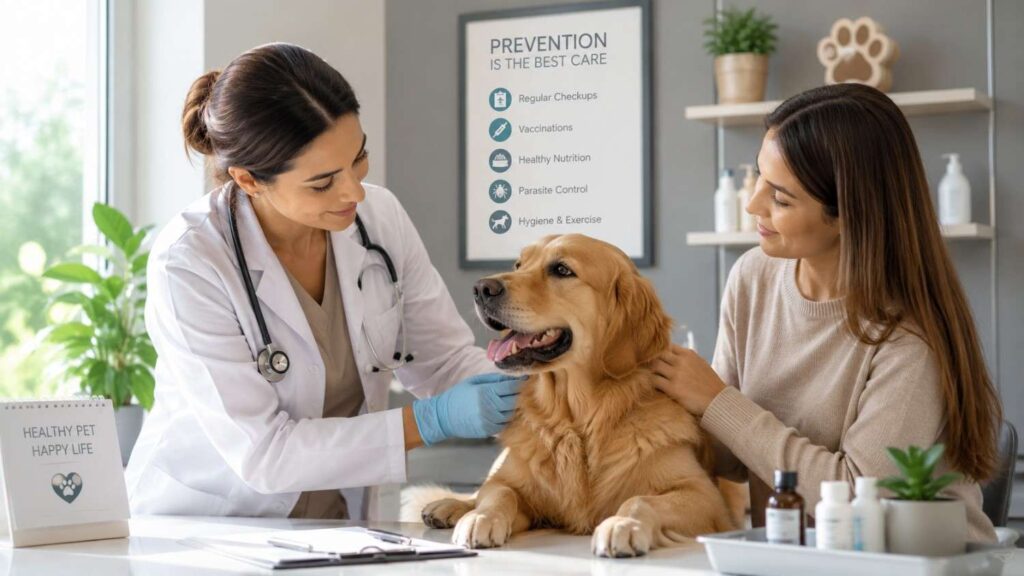
How to Prevent Common Pet Diseases and Keep Pets Healthy
Learning how to prevent common pet diseases is one of the most valuable responsibilities a pet owner can take on. Dogs and cats often hide discomfort, especially during the early stages of illness. By the time obvious symptoms appear, a condition may already require more intensive treatment. Preventive care lowers avoidable risks, supports long-term health, and gives veterinarians more opportunities to identify concerns before they become serious.
An effective pet disease prevention strategy does not depend on a single vaccine, supplement, food, or medication. It requires several connected actions, including regular veterinary examinations, risk-based vaccination, parasite control, dental care, balanced nutrition, exercise, safe food handling, household hygiene, and early recognition of abnormal behavior.
Pet owners should also understand that preventive recommendations vary. Age, breed, species, reproductive status, medical history, environment, diet, travel, and contact with other animals all influence disease risk. A general guide can explain the essential principles, but it cannot replace a veterinarian who has examined the animal and understands its individual needs.
In my experience, the most successful pet owners are not necessarily those who buy the most products. They are the ones who follow a consistent routine, keep accurate records, notice small changes, and seek professional advice before a health concern becomes an emergency. The sections below explain how to build that routine and apply it throughout every stage of a pet’s life.
Build a Preventive Pet Care Plan With a Veterinarian
A strong preventive pet care plan begins with a veterinarian who can evaluate the whole animal rather than focusing only on isolated symptoms. During a preventive appointment, the veterinarian considers the pet’s age, weight, body condition, medical history, behavior, lifestyle, diet, vaccination status, parasite exposure, and home environment. This broader view makes it possible to identify risks that owners may not notice during normal daily care.
Preventive planning should begin when a pet first enters the household. Puppies and kittens require early examinations, vaccination planning, parasite checks, nutritional guidance, and discussions about identification, behavior, and reproductive health. Adult pets need continued monitoring, while senior animals may require more frequent visits and additional screening.
One thing I always recommend is preparing a list of observations before an appointment. Note changes in appetite, water intake, weight, sleep, activity, breathing, stool, urination, coat quality, behavior, and mobility. Even small details may help a veterinarian identify a developing problem.
A preventive plan should remain flexible. Recommendations may change when a pet moves to a new region, begins travelling, starts attending daycare, develops a chronic condition, reaches senior age, or begins taking long-term medication. Regular communication ensures that the plan continues to match the animal’s actual risk rather than following an outdated schedule.
| Preventive Care Area | Why It Matters | Recommended Action |
|---|---|---|
| Veterinary Checkups | Detects health problems before symptoms become severe | Schedule routine wellness examinations as advised by your veterinarian |
| Vaccinations | Protects against serious infectious diseases | Follow an individualized vaccination plan |
| Parasite Prevention | Reduces the risk of fleas, ticks, worms, and heartworm | Use veterinarian-approved preventive treatments year-round when recommended |
| Nutrition | Supports growth, immunity, and healthy body condition | Feed a complete, balanced diet appropriate for your pet’s age and health |
| Dental Care | Helps prevent periodontal disease and oral infections | Brush teeth regularly and arrange professional dental examinations when needed |
| Exercise | Supports physical fitness and mental well-being | Provide daily activity suited to your pet’s age and breed |
| Hygiene | Lowers exposure to harmful bacteria and parasites | Clean bowls, bedding, litter boxes, and grooming tools regularly |
| Health Monitoring | Helps identify illness at an early stage | Watch for changes in appetite, behavior, weight, or energy levels |
Schedule Regular Veterinary Checkups
Regular veterinary checkups provide an opportunity to evaluate health before an illness becomes obvious. During a wellness examination, a veterinarian may assess the eyes, ears, teeth, gums, skin, coat, heart, lungs, abdomen, joints, weight, temperature, and body condition. The appointment may also include questions about feeding, exercise, behavior, parasite prevention, medication, and changes observed at home.
Many healthy adult pets benefit from at least one complete examination each year, although the correct frequency depends on individual circumstances. Puppies, kittens, senior animals, pregnant pets, and those with chronic medical conditions often need more frequent monitoring. A veterinarian may also suggest shorter intervals when a pet is receiving ongoing treatment or has recently experienced unexplained symptoms.
These visits should not be treated as vaccination-only appointments. Vaccination is important, but a comprehensive physical examination can reveal dental disease, heart murmurs, skin problems, ear infections, abnormal weight changes, joint discomfort, or other concerns that owners may not recognize.
Bring previous health records, a current medication list, details about diet and supplements, and information about recent travel. If possible, keep a record of the pet’s normal weight and behavior. Consistent documentation helps the veterinarian identify patterns and compare current findings with earlier results, which can be especially valuable as the animal ages.
Use Screening Tests Based on Individual Risk
Screening tests are used to look for health concerns that may not yet be causing visible symptoms. Depending on the pet’s age, species, lifestyle, and medical history, a veterinarian may recommend blood tests, urine analysis, fecal examinations, heartworm testing, blood-pressure measurement, imaging, or tests for specific infections. These tests can provide information that a physical examination alone cannot reveal.
Testing should be selected according to risk rather than applied as an identical package for every animal. For example, a dog that travels to heartworm-endemic regions may need different testing from a dog living in a low-risk area. An outdoor cat that interacts with unfamiliar animals may require screening that would not be routinely prioritized for an indoor cat with no exposure history.
Senior pets may benefit from baseline blood and urine testing because kidney, liver, hormonal, and metabolic changes can develop gradually. Comparing results over time may allow a veterinarian to recognize meaningful trends before severe symptoms appear.
Owners should ask what each test evaluates, why it is recommended, and how the result may influence care. A screening test is most useful when the veterinarian can explain its purpose and interpret it alongside the pet’s examination, history, and current symptoms. Testing supports preventive care, but it should always be part of a broader clinical assessment.
Keep Pet Vaccinations Current
Vaccination is one of the most effective tools for reducing the risk of serious infectious disease in dogs and cats. Vaccines prepare the immune system to recognize specific disease-causing organisms and respond more effectively after exposure. Although no vaccine provides absolute protection in every animal, vaccination can significantly reduce the likelihood, severity, and spread of many dangerous illnesses.
A proper pet vaccination schedule should be based on species, age, previous vaccination history, health status, lifestyle, local disease risks, travel, and legal requirements. Puppies and kittens usually require a carefully timed initial series because antibodies received from their mother can interfere with early vaccine responses. Adult pets may need boosters at different intervals depending on the vaccine, product label, local regulation, and veterinary assessment.
Owners should maintain accurate vaccination certificates and bring them to veterinary appointments, boarding facilities, grooming appointments, training classes, and travel consultations. Missing or uncertain records may lead to unnecessary repeat vaccination or leave the pet unprotected.
Vaccination should also be combined with other precautions. A vaccinated pet can still face risks from parasites, unsafe environments, poor nutrition, or diseases for which no vaccine exists. For this reason, vaccines should be viewed as one essential component of a complete preventive healthcare strategy rather than a replacement for routine examinations and responsible daily care.
Understand Core and Lifestyle-Based Vaccines
Vaccines are commonly divided into core and non-core, or lifestyle-based, categories. Core vaccines protect against diseases considered severe, widespread, or capable of creating a major public-health concern. Lifestyle-based vaccines are recommended when an individual pet’s environment, activities, travel, or contact with other animals increases the likelihood of exposure.
For dogs, lifestyle factors may include boarding, daycare attendance, participation in training classes, outdoor activities, hunting, swimming, travelling, or contact with wildlife. A dog that frequently enters shared animal spaces may face respiratory or infectious-disease risks that a dog with limited outside contact does not.
For cats, vaccination decisions may be influenced by age, outdoor access, household density, contact with unfamiliar cats, shelter history, and the possibility of accidental escape. Even indoor cats may require core protection because viruses can be introduced through people, objects, other animals, or unexpected outdoor exposure.
Owners should ask the veterinarian to explain which vaccines are considered essential and which are recommended because of lifestyle. This discussion is especially important before travel or boarding.
A risk-based approach does not mean avoiding vaccination. It means selecting protection carefully so that the pet receives necessary vaccines without relying on a generic schedule. Guidance from WSAVA, AAHA, and feline veterinary organizations supports individualized vaccination planning based on the animal and its environment.
Follow a Veterinarian-Approved Vaccination Schedule
A veterinarian-approved vaccination schedule considers more than the pet’s age. The correct timing may depend on previous vaccine records, the type of vaccine used, local laws, exposure risk, product instructions, and the animal’s current health. Owners should avoid relying solely on a generic chart found online because schedules can differ by country, region, clinic protocol, and individual circumstance.
Before vaccination, tell the veterinarian about recent illness, medication, pregnancy, immune-related conditions, previous vaccine reactions, or unexplained symptoms. A pet that is unwell may need to be examined carefully before vaccination proceeds. The veterinarian may also modify the schedule for animals with specific medical concerns.
After vaccination, mild tiredness, temporary soreness, or reduced appetite may occur in some pets. However, facial swelling, breathing difficulty, collapse, repeated vomiting, or severe weakness requires immediate veterinary attention. Owners should ask the clinic what reactions to monitor and whom to contact if they occur after hours.
Keep a written record containing the vaccine name, administration date, due date, clinic details, and any reaction. Set reminders well in advance of booster dates, particularly when documentation is required for travel, boarding, licensing, or relocation.
Following a professional schedule helps ensure that vaccines are given at appropriate intervals and that changing lifestyle risks are reviewed instead of allowing the plan to continue automatically without reassessment.
Prevent Fleas, Ticks, Worms, and Other Parasites
Parasites are among the most common preventable health threats affecting companion animals. Fleas, ticks, mosquitoes, intestinal worms, mites, and other organisms can cause discomfort, skin disease, anemia, digestive problems, organ damage, and transmission of infectious agents. Some parasites can also affect humans, making parasite prevention an important part of both pet health and household hygiene.
The risk of parasite exposure varies by climate, season, region, housing, travel, wildlife contact, and lifestyle. However, owners should not assume that indoor pets are completely protected. Fleas may enter on clothing or other animals, mosquitoes can enter buildings, and parasite eggs may be carried indoors on footwear or contaminated soil.
Effective parasite control usually combines preventive medication, regular testing, environmental cleaning, waste removal, coat inspection, and reduced exposure to high-risk areas. Products should always be selected according to species, body weight, age, health status, and local parasite patterns.
I recommend discussing parasite prevention during every routine veterinary appointment, particularly after travel, relocation, a change in outdoor access, or the introduction of a new pet. The plan may need to change as the animal ages or develops a health condition.
Owners should also be cautious with over-the-counter treatments. Using the wrong species product, incorrect weight range, or unsafe combination can cause serious harm. Veterinary guidance reduces these risks and improves the chance that the selected product will address the parasites most relevant to the pet’s environment.
Use Year-Round Parasite Protection When Recommended
In many regions, veterinarians recommend year-round parasite protection because weather patterns, indoor heating, travel, and changing seasons can allow parasites to remain active beyond the months owners traditionally consider high risk. Fleas can reproduce indoors, mosquitoes may appear during unexpected warm periods, and intestinal parasite exposure can occur whenever pets contact contaminated soil, waste, prey, or infected animals.
Heartworm prevention is especially important in areas where infected mosquitoes are present. Because heartworm disease can become severe before noticeable signs develop, preventive medication and appropriate testing are generally safer and more manageable than treating an established infection.
A complete parasite plan may include protection against fleas, ticks, heartworms, roundworms, hookworms, and other regionally important parasites. However, no single product automatically covers every risk. Ask the veterinarian what the medication protects against, how often it must be given, whether testing is required, and what to do after a missed dose.
Always weigh the pet accurately and follow instructions carefully. Never divide a larger dose unless the veterinarian specifically directs you to do so. Most importantly, never apply a dog-only flea or tick product to a cat. Certain ingredients tolerated by dogs can be highly toxic to cats.
Consistent protection is more effective than occasional treatment after parasites are already visible. Keeping reminders and recording each dose can prevent gaps that leave the pet unexpectedly exposed.
Reduce Parasite Exposure at Home
Medication is most effective when supported by good environmental management. Fleas, ticks, parasite eggs, and larvae may remain in bedding, carpets, garden areas, litter boxes, crates, or shared animal spaces. Cleaning these areas reduces reinfestation and helps prevent parasites from spreading between pets.
Pick up feces from gardens and walking areas promptly. Clean litter boxes daily, dispose of waste safely, and wash hands afterward. Regularly wash pet bedding according to the manufacturer’s instructions and vacuum areas where pets rest. If fleas are found, the veterinarian may recommend treating all pets in the household and addressing the environment at the same time.
Inspect dogs and outdoor cats after walks or time in wooded, grassy, or wildlife-heavy areas. Pay particular attention to the ears, neck, between the toes, under the collar, around the tail, and other warm, protected areas where ticks may attach.
Discourage pets from hunting or eating wildlife, raw carcasses, feces, or unknown material outdoors. Prevent access to standing water and heavily contaminated environments when possible.
New pets should be examined and tested before close contact with established animals. Shared grooming tools, bowls, bedding, and litter areas should be cleaned appropriately. Environmental control cannot replace preventive medication, but combining both approaches offers more reliable protection than depending on either method alone.
Support Immunity Through Nutrition, Exercise, and Dental Care
Everyday health habits influence a pet’s ability to maintain a healthy body condition, recover from physical stress, preserve mobility, and resist preventable complications. Nutrition, exercise, and dental care do not guarantee that an animal will never become ill, but they provide a stronger foundation for long-term wellbeing and make health changes easier to detect.
A balanced diet supplies the nutrients required for normal growth, tissue maintenance, immune function, organ health, and energy. Appropriate exercise helps control weight, preserve muscle, support cardiovascular health, reduce boredom, and improve behavior. Dental care prevents painful oral problems from progressing unnoticed.
These areas should be adjusted throughout the pet’s life. Growing animals, working dogs, neutered adults, pregnant pets, senior animals, and pets with chronic disease may have different nutritional and exercise requirements. A routine that was appropriate two years ago may no longer meet the animal’s current needs.
Owners should evaluate more than the number shown on the scale. Body condition, muscle tone, mobility, appetite, coat quality, stool consistency, dental appearance, and energy level all provide useful information. Sudden or unexplained changes should be discussed with a veterinarian.
I recommend reviewing diet, exercise, and oral health during routine checkups instead of waiting until obesity, pain, or dental infection becomes obvious. Early adjustments are usually easier for both the pet and the owner than correcting a problem after it has become established.
Feed a Complete and Appropriate Diet
A complete and balanced diet should match the pet’s species, life stage, activity level, reproductive status, body condition, and medical needs. Dogs and cats have different nutritional requirements, and food designed for one species should not be used as the primary diet for the other. Puppies and kittens also require nutrients in different proportions from adult or senior animals.
Measure portions rather than estimating them. Feeding by eye can gradually lead to excess calorie intake, especially when treats, table scraps, dental chews, and food used for training are not included in the daily total. Monitor weight and body condition regularly and adjust portions with veterinary guidance.
Fresh water should be available at all times unless a veterinarian gives different instructions for a specific medical reason. Bowls should be washed regularly to reduce the buildup of food residue and microbial contamination.
Owners considering homemade, raw, grain-free, or highly restrictive diets should speak with a veterinarian or qualified veterinary nutrition professional. Homemade recipes may appear healthy but can lack essential nutrients when they are not professionally formulated. Raw food may also expose pets and household members to harmful bacteria through food, utensils, surfaces, saliva, or waste.
Supplements are not automatically beneficial. Unnecessary vitamins, minerals, or herbal products may create imbalances or interact with medication. The safest approach is to identify a genuine need before adding any supplement to an otherwise complete diet.
Protect Oral and Physical Health
Regular physical activity helps pets maintain a healthy weight, strong muscles, flexible joints, and appropriate mental stimulation. Exercise should be matched to age, breed, fitness, weather tolerance, and existing medical conditions. A young working dog may need structured activity and training, while a senior pet with arthritis may benefit from shorter, gentler sessions.
Increase new exercise gradually. Sudden intense activity can contribute to injury, overheating, or exhaustion, particularly in overweight, elderly, flat-faced, or previously inactive animals. Stop and seek advice if the pet shows persistent limping, weakness, severe panting, breathing difficulty, collapse, or reluctance to continue.
Dental health deserves equal attention. Plaque can harden into tartar, while inflammation around the gums may progress to periodontal disease, pain, infection, and tooth loss. Warning signs include bad breath, drooling, bleeding gums, facial swelling, difficulty chewing, dropping food, or avoiding hard items.
Daily brushing with pet-safe toothpaste is considered one of the most effective home-care methods. Human toothpaste should not be used because some ingredients are unsuitable for animals. Dental chews or approved oral-care products may support brushing but should not automatically replace it.
Veterinary dental examinations and professional treatment may still be necessary. Visible tartar is only part of the problem because disease can also develop beneath the gumline where owners cannot see it.
Maintain a Clean and Low-Risk Home Environment
A clean living environment reduces exposure to infectious organisms, parasites, spoiled food, waste, toxins, and contaminated equipment. Pet hygiene does not require creating a completely sterile home. Instead, it involves consistent cleaning of high-contact areas, safe handling of food and waste, and sensible separation between pet supplies and human food-preparation spaces.
Food bowls, water dishes, litter boxes, bedding, crates, carriers, grooming tools, toys, and outdoor areas can collect dirt, saliva, food residue, urine, feces, and microorganisms. Cleaning schedules should be based on how frequently an item is used, the material it is made from, and whether the pet has recently been ill.
Households with children, older adults, pregnant individuals, or people with weakened immune systems may need additional precautions because some animal-associated infections can cause more serious illness in vulnerable people. Good hand hygiene and careful waste disposal are especially important in these homes.
Owners should also store medications, cleaning chemicals, pest-control products, toxic foods, and household hazards securely. Prevention includes protecting pets from accidental poisoning as well as infectious disease.
One practical approach is to create separate cleaning tools for animal supplies and avoid washing heavily contaminated items alongside human dishes. If a pet has an infectious illness, ask the veterinarian which disinfectants are appropriate and whether bowls, bedding, toys, or litter equipment should be replaced or cleaned differently.
Clean Pet Supplies and Handle Waste Safely
Food and water bowls should be cleaned regularly with soap and water, especially when wet food, raw food, or medication has been placed in them. Water bowls can develop a slippery biofilm when they are not washed thoroughly. Simply adding fresh water without cleaning the bowl may not remove this buildup.
Wash bedding, blankets, crate liners, and washable toys according to their care instructions. Allow items to dry completely before returning them to the pet. Hard toys, carriers, cages, and grooming tools should also be cleaned periodically and more frequently when shared between animals.
Litter boxes should be scooped daily and cleaned on a routine schedule. Place them away from kitchens and eating areas. Pregnant people and individuals with weakened immune systems should discuss safe litter handling with a healthcare professional and may need another household member to perform this task.
Pick up dog feces promptly from gardens, pavements, and shared spaces. Waste may contain parasites or infectious organisms even when the animal appears healthy. Use appropriate bags or tools and wash hands after disposal.
Clean accidents promptly using products suitable for the surface and safe for pets. Avoid allowing animals to walk across wet disinfectant or lick treated areas.
Handwashing remains one of the simplest protective steps. Wash after handling waste, pet food, litter, bedding, reptiles, sick animals, or contaminated equipment, and before preparing or eating human food.
Limit Contact With Unhealthy Animals and Wildlife
Pets can be exposed to infectious disease through direct contact, shared bowls, respiratory droplets, contaminated surfaces, waste, wildlife, insects, and unfamiliar animals. Limiting unnecessary exposure is especially important for puppies, kittens, senior animals, unvaccinated pets, and those with weakened immune systems.
Avoid close contact with animals showing coughing, nasal discharge, vomiting, diarrhea, hair loss, skin lesions, weakness, or unusual behavior. Do not allow pets to share bowls, toys, bedding, grooming equipment, or enclosed spaces with a visibly unwell animal.
Before choosing a boarding kennel, daycare, groomer, training facility, or pet sitter, ask about vaccination requirements, sanitation, ventilation, staff supervision, isolation procedures, and how illness is communicated to owners. A responsible facility should have a clear process for separating sick animals and contacting a veterinarian when needed.
Supervise pets outdoors and discourage contact with wildlife, carcasses, feces, stagnant water, rubbish, or unknown food. Wildlife may carry parasites, viruses, bacteria, or toxins that household pets have not previously encountered.
Travel creates additional exposure. Before crossing regions or international borders, ask a veterinarian about required documentation, vaccines, parasite prevention, microchip rules, and local disease risks. Plan early because some vaccines, tests, certificates, and treatments must be completed within specific timeframes.
Reducing exposure does not mean preventing all social activity. It means choosing controlled, well-managed environments where health and hygiene standards are taken seriously.
Recognize Early Warning Signs of Pet Disease
Recognizing early signs of illness is an essential part of learning how to prevent common pet diseases from progressing into more serious conditions. Prevention does not only mean stopping exposure. It also means identifying a problem quickly enough to reduce complications and begin appropriate treatment.
Pet owners are often the first people to notice subtle changes because they understand the animal’s normal routine. A pet may continue eating and interacting while showing only a small reduction in activity, a slight change in posture, altered grooming, or unusual sleeping habits. These details can be clinically important when they persist or appear alongside other symptoms.
Establishing a baseline makes monitoring easier. Pay attention to the pet’s normal appetite, water intake, body weight, breathing, stool, urination, activity, behavior, coat quality, and movement. Record unexplained changes and note when they began, how often they occur, and whether they are becoming more severe.
Photos or videos may help a veterinarian assess intermittent coughing, limping, unusual breathing, tremors, or behavioral episodes that do not occur during the appointment. However, recording should never delay urgent care.
Owners should avoid diagnosing symptoms through search results alone. Similar signs can have very different causes. Vomiting, for example, may result from a minor dietary problem, obstruction, toxin exposure, infection, or organ disease. Professional assessment is necessary when symptoms are severe, repeated, unexplained, or persistent.
| Time Frame | Preventive Care Tasks | Purpose |
|---|---|---|
| Daily | Provide fresh water, balanced meals, exercise, dental brushing (when possible), and observe behavior | Supports overall health and helps detect early changes |
| Weekly | Check skin, ears, eyes, coat, nails, and clean bedding and toys | Helps identify parasites, skin issues, or injuries early |
| Monthly | Administer parasite prevention (if prescribed), monitor body weight, inspect for fleas and ticks | Maintains parasite protection and healthy body condition |
| Every 6–12 Months | Schedule routine veterinary examinations and recommended screenings | Detects developing health conditions before they become serious |
| As Recommended | Receive vaccinations, laboratory testing, and professional dental care | Provides protection based on age, lifestyle, and health risks |
Monitor Changes in Daily Behavior
Behavioral and routine changes may be the earliest indication that a pet is unwell. Monitor appetite, thirst, activity, sleep, grooming, posture, social interaction, urination, bowel movements, and willingness to exercise. A single minor variation may not be concerning, but repeated or combined changes deserve attention.
Reduced appetite, unexplained weight loss, excessive thirst, frequent urination, persistent vomiting, diarrhea, coughing, sneezing, skin irritation, hair loss, limping, stiffness, hiding, aggression, confusion, or unusual tiredness may all indicate a health problem.
Oral signs are also important. Bad breath, drooling, bleeding gums, dropping food, chewing on one side, or refusing hard food can suggest dental pain. Changes in litter-box use or difficulty urinating may require urgent attention, particularly in male cats.
Track when the symptom started, whether it is constant or intermittent, and whether any changes in food, medication, environment, travel, or routine occurred beforehand. This information helps the veterinarian narrow possible causes.
Do not wait for a pet to cry or stop eating completely before seeking advice. Many animals naturally hide pain. Persistent changes lasting more than a short period, or symptoms that worsen quickly, should be discussed with a veterinary clinic.
Daily observation requires only a few minutes, but it can make a meaningful difference by helping owners act while a condition is still in an earlier stage.
Know When Veterinary Care Is Urgent
Certain symptoms require immediate or prompt veterinary attention because delays may place the pet’s life at risk. Emergency warning signs include breathing difficulty, collapse, seizures, uncontrolled bleeding, severe trauma, suspected poisoning, repeated unsuccessful retching, a rapidly swollen abdomen, inability to urinate, extreme weakness, paralysis, severe pain, or loss of consciousness.
Repeated vomiting or diarrhea can become urgent when accompanied by blood, weakness, dehydration, abdominal pain, or refusal to drink. Very young, elderly, or medically fragile pets may deteriorate more quickly than healthy adults.
If poisoning is suspected, contact a veterinarian or recognized animal poison service immediately. Keep the product label, packaging, plant sample, medication container, or photograph available if it can be collected safely. Do not induce vomiting unless a veterinary professional specifically instructs you to do so, because vomiting can worsen injuries caused by certain substances.
Never give human painkillers, cold medicine, antibiotics, or leftover veterinary medication without professional direction. A product that is safe for one species or condition may be toxic in another situation.
Know the location and telephone number of the nearest emergency veterinary facility before a crisis occurs. Keep a carrier, leash, towel, basic medical records, and payment information accessible. Preparation reduces delays and allows owners to focus on safely transporting the animal when urgent care is needed.
Common Disease Prevention Table
| Health Risk | Important Prevention Steps | Warning Signs to Monitor |
|---|---|---|
| Viral and bacterial infections | Risk-based vaccination, isolation from sick animals, hygiene | Fever, coughing, discharge, vomiting, weakness |
| Fleas and ticks | Vet-approved preventive treatment, coat checks, environmental cleaning | Scratching, skin irritation, visible parasites |
| Heartworm and intestinal worms | Preventive medication, testing, prompt feces removal | Coughing, weight loss, diarrhea, poor coat |
| Dental disease | Daily brushing, oral checks, veterinary dental care | Bad breath, bleeding gums, difficulty eating |
| Foodborne illness | Safe food storage, clean bowls, avoidance of unsafe food | Vomiting, diarrhea, fever, appetite loss |
| Weight-related illness | Measured feeding, suitable exercise, body-condition monitoring | Reduced stamina, weight change, mobility problems |
| Zoonotic infections | Handwashing, parasite control, safe waste handling | Symptoms vary according to the infection |
Quick Answer About How to Prevent Common Pet Diseases
The most reliable way to prevent common pet diseases is to follow a consistent, veterinarian-approved preventive-care plan rather than waiting for visible symptoms to develop. This plan should include routine health examinations, age-appropriate vaccinations, year-round parasite protection when recommended, balanced nutrition, regular exercise, dental care, and a clean living environment. Owners should also monitor daily changes in appetite, drinking, weight, behavior, breathing, mobility, urination, and bowel movements.
Prevention works best when it is personalized. A young outdoor cat, a senior indoor dog, and a puppy that regularly attends daycare face different health risks. Climate, travel, contact with wildlife, existing medical conditions, and local disease patterns can also affect vaccination and parasite-control recommendations.
I recommend keeping written or digital records of vaccinations, parasite treatments, medications, test results, allergies, and previous illnesses. These records help veterinarians make informed decisions and reduce the risk of missed treatments or unnecessary repetition.
Owners should never give human medication, change a prescription, or use parasite products across species without professional advice. Products that are safe for dogs may be dangerous to cats, and doses must be based on accurate body weight and health status. Combining veterinary care with attentive daily observation gives pets the strongest possible protection against preventable illness.
Frequently Asked Questions
Understanding preventive care often raises practical questions about veterinary visits, vaccination, parasites, supplements, and indoor pets. The answers below provide general guidance, but they should not replace advice from a veterinarian who has examined the animal.
Every pet has a different risk profile. Age, species, breed, health history, travel, climate, household conditions, and contact with other animals can change what is recommended. For this reason, owners should use general information as a starting point for a veterinary discussion rather than treating it as a fixed medical schedule.
Preventive care is also an ongoing process. Recommendations may need to be reviewed after moving home, adopting another animal, beginning daycare, travelling internationally, changing diet, or receiving a new diagnosis. What worked for a young adult pet may not be sufficient during senior years.
The following questions reflect common search concerns among dog and cat owners. Each answer focuses on safe, practical actions that support pet health while recognizing the importance of individualized veterinary care.
What is the most important step in preventing pet disease?
The most important step is establishing an ongoing relationship with a qualified veterinarian. Regular veterinary care connects all major areas of prevention, including physical examinations, vaccination, parasite control, nutrition, dental health, weight management, screening, and early treatment.
No single product can replace this coordinated approach. Vaccines protect against specific infections, while parasite medication addresses particular organisms. Nutrition, exercise, hygiene, and observation support broader health but cannot diagnose hidden disease.
Owners also play a central role. A veterinarian may see a pet once or twice a year, while the owner observes it every day. Monitoring appetite, water intake, body weight, movement, bathroom habits, breathing, and behavior helps identify changes between appointments.
Keeping accurate records makes preventive care more effective. Document vaccinations, parasite doses, medications, allergies, laboratory results, and previous symptoms. This information helps avoid treatment gaps and supports better decision-making.
The strongest approach combines professional veterinary guidance with consistent care at home. When owners attend routine examinations, follow individualized recommendations, and report unusual changes promptly, they improve the chance that preventable risks will be controlled and emerging problems will be recognized before they become advanced.
Do indoor pets still need vaccines and parasite prevention?
Indoor pets may still require vaccination and parasite protection because living inside does not eliminate every source of exposure. Mosquitoes, fleas, and other insects can enter buildings. Parasite eggs may be carried indoors on footwear, soil, clothing, or another animal. Pets may also escape unexpectedly, visit a clinic, stay in boarding facilities, or encounter animals introduced into the household.
Core vaccines are often recommended because certain diseases are severe and exposure cannot always be predicted. Legal requirements may also apply regardless of whether the pet lives indoors. The exact vaccine schedule should be determined by a veterinarian based on age, health, local regulations, and lifestyle.
Parasite prevention should also be risk-based. An indoor cat in a high-rise apartment may face different exposure from a dog that walks outdoors daily, but neither should automatically be considered risk-free. Mosquito-transmitted disease, fleas, and intestinal parasites may still be relevant.
Owners should describe the pet’s actual routine honestly, including balcony access, travel, contact with visiting animals, hunting behavior, and boarding. This allows the veterinarian to recommend protection that is appropriate without adding unnecessary treatments.
Indoor living can reduce some risks, but it does not replace vaccination, routine examinations, hygiene, or professional parasite assessment.
How often should pets visit a veterinarian?
Many healthy adult dogs and cats benefit from a complete veterinary examination at least once a year. However, visit frequency should be based on the individual animal rather than a universal rule. Puppies and kittens need several early appointments for vaccination, parasite management, growth monitoring, nutrition, and behavioral guidance.
Senior pets may require examinations every six months or at another interval recommended by the veterinarian. Age-related changes can develop gradually, and more frequent monitoring may help identify kidney disease, arthritis, dental problems, hormonal disorders, weight changes, or other conditions earlier.
Pets with chronic illnesses, long-term medication, previous abnormal test results, or ongoing symptoms may also need more frequent reviews. The veterinarian may schedule follow-up visits to assess treatment response, repeat testing, or adjust medication.
Owners should not wait until vaccines are due before arranging an appointment. A wellness examination covers much more than vaccination and can identify concerns that are not obvious at home.
Ask the veterinarian how often the pet should be examined based on age, breed, health history, lifestyle, and current treatment. If a new symptom appears between routine visits, contact the clinic rather than waiting for the next scheduled appointment. Preventive schedules provide structure, but new health concerns should always be assessed according to their urgency.
Can pet diseases spread to people?
Some diseases can pass between animals and humans. These are known as zoonotic diseases. Transmission may occur through bites, scratches, saliva, urine, feces, contaminated food, parasites, respiratory droplets, or contact with infected surfaces. The level of risk varies according to the disease, animal species, household environment, and health of the people involved.
Good hygiene reduces many common risks. Wash hands after handling animal waste, litter, pet food, bedding, reptiles, or sick animals. Clean food bowls and pet supplies regularly, dispose of feces promptly, and keep veterinary parasite prevention current.
Avoid allowing pets to lick open wounds or areas around the mouth. Teach children to interact gently and wash their hands after touching animals. People who are pregnant, elderly, very young, or immunocompromised may need additional precautions and should consult a healthcare professional.
Regular veterinary care also supports zoonotic disease prevention. Vaccination, parasite testing, safe food handling, and early treatment reduce the chance that an infected animal will expose household members.
It is important to remember that even apparently healthy animals may sometimes carry organisms capable of affecting people. Sensible hygiene and preventive veterinary care allow families to enjoy pets safely without creating unnecessary fear or avoiding normal interaction.
Is vaccination enough to keep a pet healthy?
Vaccination is essential, but it protects only against specific diseases. It does not prevent every infection, parasite, dental condition, nutritional problem, injury, toxic exposure, or age-related illness. A vaccinated pet still requires regular examinations, parasite control, appropriate nutrition, exercise, dental care, hygiene, and early assessment of symptoms.
The effectiveness of vaccination also depends on correct timing, proper storage and administration, the animal’s immune response, and whether the vaccine matches the disease risk. No vaccine guarantees complete protection in every situation.
Owners should view vaccination as one layer within a broader preventive-care system. Parasite medication controls certain internal or external parasites. Dental brushing helps reduce plaque. Measured feeding supports healthy weight. Household cleaning reduces environmental exposure. Veterinary screening may identify hidden health changes.
These measures work together. Neglecting one area can still leave the animal vulnerable even when vaccination records are current.
A useful routine is to review the entire preventive plan during each wellness appointment. Ask whether vaccines, parasite products, diet, exercise, dental care, and screening remain appropriate. This prevents care from becoming focused only on injections and helps ensure that changing needs are addressed throughout the pet’s life.
Should I give my pet vitamins or immune supplements?
Vitamins and supplements should not be given automatically. Pets eating a complete and balanced diet often already receive the nutrients they need. Adding extra vitamins, minerals, oils, herbs, or immune-support products without professional guidance may create nutrient imbalances, digestive problems, toxicity, or interactions with medication.
The need for supplementation depends on the pet’s diet, age, species, medical condition, laboratory results, and treatment plan. Certain animals may benefit from specifically selected supplements, but the product and dose should be chosen for a clear reason.
Owners should tell the veterinarian about every supplement, chew, powder, oil, and herbal product the pet receives. Products marketed as natural are not automatically safe, and quality can vary between manufacturers.
Avoid using human supplements unless a veterinarian gives precise instructions. Human products may contain unsuitable doses, sweeteners, flavorings, or additional ingredients that are harmful to animals.
Before purchasing a supplement, ask what evidence supports its use, whether it is necessary with the current diet, how long it should be given, and what side effects to monitor.
A good diet, healthy body condition, regular exercise, vaccination, parasite control, and veterinary care generally provide a stronger foundation for health than adding multiple unverified supplements.
What records should pet owners maintain?
Pet owners should maintain a complete and organized health record that can be accessed during routine appointments, emergencies, travel, boarding, or a change of veterinary clinic. The record should include vaccination certificates, parasite-treatment dates, microchip details, laboratory results, imaging reports, medication lists, allergies, previous diagnoses, surgery history, and adverse reactions.
Diet information is also useful. Record the food brand, product name, daily amount, treats, supplements, and any recent changes. If the pet develops vomiting, diarrhea, weight loss, or an allergic reaction, these details may help the veterinarian investigate possible causes.
Keep a timeline of significant symptoms, including when they started, how often they occurred, and what appeared to trigger or relieve them. Photos and videos may be valuable for intermittent problems such as coughing, limping, tremors, or unusual behavior.
Emergency contacts should include the regular veterinarian, nearest emergency clinic, microchip registry, pet insurance provider, and a trusted person authorized to make decisions if the owner is unavailable.
Digital records are convenient, but keeping essential documents in a physical folder can be useful during travel or technical problems. Accurate records reduce confusion, prevent missed treatments, and allow veterinarians to make decisions using complete historical information rather than relying on memory alone.
Conclusion
Understanding how to prevent common pet diseases requires a consistent approach that combines veterinary expertise with responsible daily care. No single action can protect an animal from every health threat. The most effective strategy brings together regular examinations, risk-based vaccination, parasite prevention, balanced nutrition, suitable exercise, dental care, hygiene, and early recognition of abnormal symptoms.
Begin by working with a veterinarian to create an individualized preventive plan. Review that plan as the pet ages or experiences changes in health, environment, travel, diet, or lifestyle. Keep accurate records of vaccines, medications, parasite treatments, test results, allergies, and previous illnesses so that important information is always available.
At home, provide a complete diet, clean water, safe exercise, regular oral care, and a hygienic environment. Dispose of waste promptly, clean pet supplies, limit contact with sick animals and wildlife, and store dangerous substances securely.
Daily observation is equally important. Pay attention to changes in appetite, thirst, weight, behavior, breathing, movement, urination, stool, skin, coat, and oral health. Contact a veterinarian when changes are persistent, severe, or unusual, and seek emergency care immediately for breathing difficulty, collapse, poisoning, seizures, inability to urinate, or severe trauma.
Preventive pet care cannot guarantee that illness will never occur. However, it can reduce avoidable exposure, support long-term health, and improve the chance that developing conditions are identified before they become more difficult to manage.