What Is VeterinaryMedic? (Definition, Meaning & Scope)
The term veterinarymedic has quickly become a central phrase in modern animal healthcare, representing not only the field of veterinary medicine but also the professionals, tools, methods, and technologies that support the diagnosis, treatment, and overall well-being of animals. In simple terms, a veterinary medic is a trained professional who provides medical care to animals — from household pets to livestock to wildlife species. But the concept of VeterinaryMedic goes far beyond this basic definition, encompassing the entire ecosystem of clinical practice, preventative care, medical education, drug management, and even digital veterinary innovations such as AI-powered diagnostics and telemedicine.
VeterinaryMedic is both a profession and a system. It includes veterinarians, veterinary technicians, animal health researchers, veterinary pharmacists, and even digital veterinary support tools. Together, they form a high-functioning healthcare network that keeps animals healthy, helps prevent disease outbreaks, and safeguards public health. With the increasing number of pet owners, rising global food production needs, and the popularity of exotic animals and wildlife rehabilitation, VeterinaryMedic has expanded in scope and importance like never before.
VeterinaryMedic vs. Veterinary Medicine – What’s the Difference?
Many people confuse the term veterinarymedic with veterinary medicine, but they refer to related yet distinct concepts. Veterinary medicine is the scientific discipline — the study and practice of diagnosing, preventing, and treating diseases in animals. VeterinaryMedic, however, refers to the professionals and system who apply this knowledge in the real world.
Key Differences Table
| Concept | Meaning | Focus Area | Examples |
|---|---|---|---|
| Veterinary Medicine | Scientific discipline | Theory, research, clinical science | Anatomy, pathology, animal pharmacology |
| VeterinaryMedic | Professional practice & system | Application, medical care, real-world treatment | Vets, technicians, clinical tools, treatment protocols |
What Does a Veterinary Medic Do? (Roles & Responsibilities)
A veterinary medic performs a wide range of tasks based on their specialization. Their responsibilities may include diagnosing illnesses, administering vaccines, performing surgeries, advising pet owners, or treating livestock.
Core Responsibilities Include:
- Conducting physical exams on pets, livestock, and wildlife
- Diagnosing diseases using blood tests, imaging, and lab work
- Performing surgeries (from routine spays to orthopedic repairs)
- Administering medications and vaccines
- Providing emergency and trauma care
- Educating owners about nutrition, care, and disease prevention
- Monitoring herd or flock health for farms
- Supporting public health through zoonotic disease control
In many regions, veterinary medics also assist veterinarians by handling basic procedures, collecting samples, and managing clinical equipment.
Why VeterinaryMedic Is Trending in Modern Animal Healthcare
Over the past decade, the term veterinarymedic has gained massive relevance due to:
- Growth of the pet industry (estimated at $320+ billion globally)
- Advancements in veterinary medical technology such as AI, wearable sensors, and telehealth
- Increasing awareness of zoonotic diseases (e.g., COVID-19, avian flu)
- Higher demand for livestock health management as global food production increases
Today’s veterinary medics are trained not just in basic care, but in advanced diagnostics, digital health tools, and even preventive public health practices.
How VeterinaryMedic Supports Pet Owners, Farmers & Wildlife Experts
VeterinaryMedic brings direct value to three major groups:
1. Pet Owners
- Regular health checkups
- Vaccinations
- Dental care
- Nutritional guidance
- Emergency care
2. Farmers & Livestock Managers
- Herd health monitoring
- Productivity optimization
- Disease outbreak prevention
- Safe medication use
Importance of VeterinaryMedic in Today’s Animal Health Industry
The modern world depends heavily on animals—for companionship, food production, environmental balance, scientific research, and cultural value. Because of this, the role of veterinarymedic professionals has become more critical than ever. Today’s veterinary medics are not simply animal doctors; they are key contributors to global health, food safety, disease prevention, and even economic stability. As animal health challenges evolve, so does the demand for more advanced veterinary medicine and veterinary medical systems that can respond quickly and effectively.
Growing Demand for Veterinary Medics Worldwide
The global need for skilled veterinary medics has increased sharply due to several powerful trends:
1. Rising Pet Ownership
In the last decade, pet ownership worldwide has surged. More families now see pets as emotional companions, which means higher demand for routine care, emergency treatment, and advanced veterinarymedical services.
2. Growth of the Livestock Industry
As worldwide meat, milk, and egg consumption increases, farmers rely heavily on veterinary medics to maintain herd health, prevent disease outbreaks, and increase productivity. A single disease outbreak in livestock can cause losses worth millions—making VeterinaryMedic an essential part of food security.
3. Increased Awareness of Zoonotic Diseases
Diseases that pass between animals and humans—like COVID-19, rabies, and avian influenza—have shown how interconnected our health systems are. Veterinary medics play a crucial role in tracking, controlling, and preventing these dangerous infections.
4. Rise of Animal Rescue and Wildlife Rehabilitation Centers
More wildlife sanctuaries and rescue organizations need trained veterinary medics to care for injured, endangered, or rescued animals.
5. Advancement in Veterinary Technology
The introduction of telemedicine, AI diagnostics, robotic surgery, and smart wearable tech for animals has expanded the roles and skill sets required in veterinary medicine.
How VeterinaryMedic Improves Animal Welfare & Disease Prevention
Veterinary medics are frontline defenders of animal health. Their expertise ensures that animals receive proper care, treatment, and early disease detection.
Key Contributions of VeterinaryMedic to Animal Welfare:
- Early diagnosis of diseases through screenings
- Vaccination programs that prevent deadly outbreaks
- Pain management and advanced surgical care
- Nutritional guidance for long-term wellness
- Monitoring behavioral health among pets and livestock
- Preventive health plans tailored to species, age, and lifestyle
Veterinary medics also help reduce the spread of infectious diseases by recommending proper hygiene, vaccination schedules, and biosecurity measures—especially in farms and clinics.
Veterinary Medicine for Pets vs. Livestock vs. Wildlife
The responsibilities of a veterinary medic vary depending on the type of animals they serve. Each area of practice requires different skills, tools, and approaches.
1. VeterinaryMedic for Pets
- Focus on wellness, preventative care, and chronic illness management
- Use advanced diagnostics like X-rays, ultrasounds, and blood work
- Provide dental care, vaccinations, and emergency treatment
- Manage age-related conditions (arthritis, kidney disease, diabetes)
2. VeterinaryMedic for Livestock
- Large-scale health monitoring for herds or flocks
- Manage productivity, reproduction, and disease control
- Guide farmers on nutrition and safe medication use
- Prevent diseases that threaten food production
3. VeterinaryMedic for Wildlife
- Treat injuries caused by human activity or natural events
- Manage wildlife diseases impacting ecosystems
- Support conservation efforts
- Collaborate with biologists, ecologists, and rescue workers
Chart: Why VeterinaryMedic Is Essential Today
Below is a simple text-based chart illustrating the impact of VeterinaryMedic on modern society:
Impact Area               | Contribution of VeterinaryMedic
------------------------------------------------------------
Public Health             | Controls zoonotic diseases, vaccination programs
Food Production           | Livestock health, safe meat/milk/egg supply
Pet Wellness              | Better diagnostics, preventive care
Environmental Health      | Wildlife rehabilitation, ecological monitoring
Economic Stability        | Prevents livestock losses, supports global trade
This chart shows how the veterinary medical system plays a vital role not only in animal care but also in human health and global economic stability.
How to Become a Veterinary Medic (VeterinaryMedic Career Guide)
Entering the field of veterinarymedic is both rewarding and challenging. It requires dedication, scientific understanding, emotional resilience, and hands-on clinical training. Whether you want to become a veterinarian, veterinary technician, animal health specialist, or any form of veterinary medic, the path involves structured education, certifications, and practical experience. This section gives you a complete, easy-to-understand guide to every step of becoming a veterinary medic.
Education Requirements for VeterinaryMedic Careers
The foundation of becoming a veterinary medic begins with formal education. Depending on your exact career goals, your academic pathway may vary.
1. For Veterinarians (DVM / BVSc Degrees)
Veterinarians require one of the most intensive educational pathways in medicine.
Typical Education Path:
- High school → Focus on biology, chemistry, and animal science
- Bachelor’s degree → Usually in biology, zoology, or animal sciences
- Doctor of Veterinary Medicine (DVM/BVSc) → 4–6 years
- Clinical internships or residencies (optional but recommended)
DVM programs include coursework in anatomy, physiology, microbiology, pathology, surgery, pharmacology, animal behavior, and preventive veterinary medicine.
2. For Veterinary Technicians / Veterinary Nurses
These professionals assist veterinarians with clinical procedures.
Typical Path:
- Veterinary technician diploma or associate’s degree (2–3 years)
- Licensing exams required in most countries
- Specialized certifications in anesthesia, dentistry, or emergency care
3. For Animal Health Assistants & Veterinary Support Staff
Some roles do not require advanced degrees.
Typical Path:
- Short certifications or on-the-job training
- Courses in animal handling, first aid, and clinical procedures
Certifications, Exams & Licenses Needed
VeterinaryMedic careers require proper licensing to ensure safety, competency, and ethical practice.
Common Exams & Certifications
- NAVLE (North America)
- RCVS Licensing (UK)
- PVM Exams (Asia)
- National Veterinary Technician Exam (VTNE)
- Specialty Board Certifications in:
- Surgery
- Internal medicine
- Cardiology
- Dermatology
- Oncology
These certifications provide advanced credibility and open doors to higher-paying, specialized veterinarymedic positions.
Skills Required to Succeed in Veterinary Medicine
Veterinary medics must balance clinical competence with soft skills. The combination of both determines success in the field.
Core Skills Required
1. Medical & Scientific Skills
- Diagnosing animal diseases
- Performing laboratory and imaging tests
- Knowledge of pharmacology & pathology
- Understanding surgical procedures
2. Technical Skills
- Handling medical tools and equipment
- Administering injections, fluids, and medications
- Performing anesthesia monitoring
3. Soft Skills
- Compassion and empathy
- Communication with pet owners and farmers
- Problem-solving and quick decision-making
- Stress management in emergency cases
4. Physical Skills
- Ability to lift animals
- Stamina to stand for long periods
- Quick mobility for emergencies
Career Paths Within VeterinaryMedic
The veterinary medical field is highly diverse, offering multiple career routes.
Popular VeterinaryMedic Career Options
- Small-animal veterinarian (pets)
- Large-animal veterinarian (livestock)
- Wildlife veterinarian
- Veterinary surgeon
- Veterinary anesthesiologist
- Veterinary dermatologist
- Veterinary pathologist
- Veterinary technician / nurse
- Animal nutrition specialist
- Veterinary hospital manager
- Research scientist in veterinarymedicine
- Animal welfare inspector
Each pathway has its own educational and practical requirements, giving students the flexibility to choose their ideal specialization.
Salary Range & Job Outlook for Veterinary Medics
The demand for VeterinaryMedic professionals continues to rise worldwide due to population growth, increased pet ownership, and global food production needs.
Estimated Salary Ranges (Depending on Region & Experience)
| Role | Entry-Level Salary | Experienced Salary |
|---|---|---|
| Veterinarian | $60,000–$100,000 | $120,000–$200,000+ |
| Veterinary Technician | $25,000–$40,000 | $45,000–$70,000 |
| Veterinary Surgeon | $100,000–$200,000 | $250,000+ |
| Wildlife Veterinarian | $40,000–$70,000 | $80,000–$120,000 |
| Animal Nutritionist | $45,000–$70,000 | $90,000–$130,000 |
Job Outlook:
The veterinary medicine field is projected to grow by 16–20% over the next decade—much faster than average. This growth is driven by demand for animal care, advanced veterinary medical technologies, and the increasing importance of zoonotic disease specialists.
ChatGPT said:
VeterinaryMedic for Pet Owners: Everything You Should Know
For most people, the term veterinarymedic immediately brings to mind a professional who treats pets—dogs, cats, rabbits, birds, and other companion animals. But the role of a veterinary medic in pet care goes far beyond treating illnesses. They act as guides, educators, diagnosticians, caregivers, and emergency responders. Understanding how VeterinaryMedic services work empowers pet owners to make better decisions, prevent health problems, and ensure their animals enjoy long, healthy lives.
This section gives you a complete breakdown of when to call a veterinary medic, what conditions they treat, how preventive care works, and how to handle emergencies.
When to Take Your Pet to a Veterinary Medic
Pets cannot explain when they’re in pain or sick, which means early signs of illness often go unnoticed. Veterinary medics emphasize early detection because it prevents serious complications and reduces treatment costs.
Common Signs Your Pet Needs Veterinary Care
- Sudden loss of appetite
- Vomiting or diarrhea lasting more than 24 hours
- Lethargy or unusual weakness
- Difficulty breathing or persistent coughing
- Limping or mobility problems
- Skin rashes, redness, or hair loss
- Bad breath or dental issues
- Unexplained weight loss or gain
- Excessive thirst or urination
- Behavioral changes (aggression, hiding, anxiety)
Routine Checkups Recommended
Most veterinary medics suggest:
- Puppies/kittens: every 3–4 weeks until 16 weeks old
- Adult pets: once every 6–12 months
- Senior pets: once every 3–6 months
These visits help catch diseases early and maintain long-term health.
Common Pet Diseases Treated in Veterinary Medicine
VeterinaryMedic professionals diagnose and treat a wide range of pet illnesses. Below are some of the most common.
1. Infectious Diseases
- Parvovirus
- Rabies
- Distemper
- Feline leukemia virus (FeLV)
- Kennel cough
2. Parasitic Infections
- Fleas
- Ticks
- Intestinal worms
- Heartworms (especially in dogs)
3. Chronic Conditions
- Diabetes
- Arthritis
- Kidney disease
- Thyroid problems
- Allergies
4. Skin & Ear Conditions
- Dermatitis
- Ear mites
- Bacterial and fungal infections
5. Digestive Issues
- Gastroenteritis
- Pancreatitis
- Food allergies
Veterinary medics use physical exams, blood tests, imaging, and lab work to diagnose these conditions with precision.
Vaccination Schedules & Preventative Veterinary Care
Preventive care is one of the most important pillars of veterinarymedic practice.
Core Vaccines for Dogs
- Rabies
- Parvovirus
- Distemper
- Adenovirus
- Parainfluenza
Core Vaccines for Cats
- Feline distemper
- Calicivirus
- Herpesvirus
- Rabies
Additional vaccines may be recommended based on lifestyle, exposure, travel, or environment.
Preventive VeterinaryMedic Checklist
| Preventive Measure | Dogs | Cats |
|---|---|---|
| Annual vaccines | ✔️ | ✔️ |
| Deworming | Every 3 months | Every 3 months |
| Flea & tick protection | Monthly | Monthly |
| Dental cleaning | Once per year | Once per year |
| Blood tests | Annually | Annually |
Preventive care saves lives, reduces long-term costs, and ensures pets remain healthy for years.
VeterinaryMedic Tips for Pet Nutrition & Wellness
A big part of pet health comes from proper nutrition, exercise, and habit formation. Veterinary medics often provide customized recommendations based on the pet’s breed, age, weight, and health condition.
Veterinary-Approved Nutrition Tips
- Choose food with real protein as the first ingredient
- Avoid artificial dyes, fillers, and preservatives
- Adjust diet for age: puppy/kitten → adult → senior
- Monitor portion sizes to prevent obesity
- Provide clean water at all times
Other Wellness Tips
- Daily exercise (walks, playtime, mental stimulation)
- Regular grooming
- Dental care (brushing, dental chews)
- Socialization and training
- Avoiding toxic foods (grapes, chocolate, onions, caffeine)
Veterinary medics also help create customized meal plans for pets with allergies, digestive issues, or chronic illnesses.
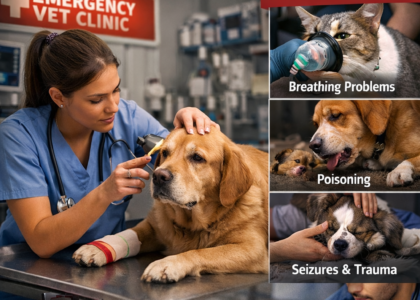
Emergency Veterinary Medical Situations (When Every Second Counts)
Some conditions require immediate VeterinaryMedic intervention. Delaying treatment can be life-threatening.
Pet Emergencies That Need Immediate Care
- Difficulty breathing
- Seizures
- Persistent bleeding
- Broken bones
- Sudden collapse
- Heatstroke
- Poisoning (plants, chemicals, foods)
- Labor complications in pregnant animals
- Severe vomiting or diarrhea
- Trauma (car accidents, falls, fights)
Emergency First-Aid Tips from Veterinary Medics
- Keep a pet first aid kit
- Avoid giving human medication
- Keep the pet warm, calm, and still
- Call the nearest veterinary medic or emergency hospital immediately
Quick action can save a pet’s life.
VeterinaryMedic Treatments & Procedures Explained
Veterinary medicine covers a wide range of treatments, tests, and surgical procedures designed to diagnose, manage, and cure animal illnesses. A veterinarymedic must be highly trained in clinical skills, anatomy, imaging, laboratory techniques, and surgical procedures in order to provide safe and effective care. This section breaks down every major treatment category—from diagnostics to advanced surgeries—so readers understand exactly what happens inside a veterinary clinic or hospital.
Diagnostic Procedures in VeterinaryMedic
Diagnostics are the foundation of veterinary medical care. They help identify hidden health problems and guide the treatment plan.
1. Physical Examinations
Veterinary medics begin with a thorough physical exam:
- Checking eyes, ears, teeth, and skin
- Feeling for lumps or abnormalities
- Listening to the heart and lungs
- Testing reflexes and mobility
- Evaluating hydration and body condition
2. Blood Tests
Common blood tests include:
- CBC (Complete Blood Count): Detects infection, anemia, immune issues
- Biochemistry Panel: Checks liver, kidneys, pancreas, electrolytes
- Thyroid Tests: Identify hormonal imbalances
- Heartworm Tests: Essential for dogs
3. Imaging Techniques
Veterinary medics use advanced imaging tools similar to human hospitals.
| Imaging Method | What It Detects |
|---|---|
| X-rays | Broken bones, tumors, lung issues |
| Ultrasound | Pregnancy, fluid buildup, organ abnormalities |
| CT scans | Detailed imaging for cancer, bone, and brain issues |
| MRI | Neurological disorders, soft tissue injuries |
4. Laboratory Tests
- Urinalysis
- Fecal tests for parasites
- Skin scrapings
- Biopsies
- Culture and sensitivity tests
These diagnostics help veterinary medics detect infections, allergies, tumors, and internal diseases early.
Common Medical Treatments in Veterinary Medicine
Once diagnosis is complete, veterinary medics determine a treatment plan.
1. Medications
- Antibiotics
- Anti-inflammatories
- Pain relievers
- Antiparasitics
- Hormonal treatments
- Allergy medications
- Heart medications
Medications are tailored to species, weight, and condition to avoid side effects.
2. Fluid Therapy
Used for:
- Dehydration
- Shock
- Kidney failure
- Heatstroke
- Severe vomiting/diarrhea
Fluids restore hydration, electrolytes, and circulation.
3. Vaccinations
Prevent life-threatening illnesses:
- Rabies
- Parvo
- Distemper
- Hepatitis
- Bordetella
- Feline leukemia
These are central to preventive VeterinaryMedic practice.
4. Wound Care
- Cleaning and disinfecting
- Stitches or staples
- Bandaging
- Laser therapy for healing
VeterinaryMedic Surgical Procedures: From Simple to Complex
Veterinary medics perform surgeries ranging from routine procedures to life-saving operations.
1. Routine Surgeries
- Spaying & neutering
- Dental cleanings & tooth extractions
- Benign tumor removals
- Foreign object removal (in pets that swallowed items)
These procedures improve long-term health and prevent future complications.
2. Emergency Surgeries
Performed in critical situations:
- Internal bleeding
- Bloat (GDV) in dogs
- Traumatic injuries
- C-sections for difficult births
- Organ ruptures
Emergency veterinary meds must act fast to stabilize the patient.
3. Orthopedic Surgeries
- Bone fracture repair
- Cruciate ligament surgery
- Hip dysplasia correction
- Joint reconstruction
4. Advanced Soft Tissue Surgeries
- Heart surgery
- Kidney or bladder stone removal
- Intestinal surgery
- Cancer tumor removal
Many veterinary hospitals now use advanced tools like laparoscopy, laser surgery, and robotic assistance.
Rehabilitation & Aftercare in VeterinaryMedic
Recovery is just as important as treatment.
Common Rehabilitation Techniques
- Physical therapy
- Hydrotherapy
- Cold/heat therapy
- Laser therapy
- Stretching & strength-building exercises
- Mobility aids (braces, wheelchairs, slings)
Post-Surgery Care Tips from Veterinary Medics
- Keep the pet rested and calm
- Prevent licking or chewing stitches
- Give medications on time
- Restrict jumping or running
- Monitor incision site for redness or swelling
- Follow veterinary follow-up appointments
Good aftercare dramatically improves healing and reduces complications.
Table: Overview of VeterinaryMedic Treatments & Their Purpose
| Treatment Type | Used For | Examples |
|---|---|---|
| Diagnostics | Identifying diseases | X-rays, blood tests, ultrasounds |
| Medical Treatments | Managing illness | Antibiotics, fluids, allergy meds |
| Routine Surgery | Preventive care | Spay/neuter, dental cleaning |
| Emergency Surgery | Life-saving | Trauma, bloat, internal bleeding |
| Orthopedic Surgery | Bone & joint issues | Fracture repair, ligament surgery |
| Rehabilitation | Recovery support | Hydrotherapy, physio, laser therapyWhat Is VeterinaryMedic? (Definition, Meaning & Scope) The term veterinarymedic has quickly become a central phrase in modern animal healthcare, representing not only the field of veterinary medicine but also the professionals, tools, methods, and technologies that support the diagnosis, treatment, and overall well-being of animals. In simple terms, a veterinary medic is a trained professional who provides medical care to animals — from household pets to livestock to wildlife species. But the concept of VeterinaryMedic goes far beyond this basic definition, encompassing the entire ecosystem of clinical practice, preventative care, medical education, drug management, and even digital veterinary innovations such as AI-powered diagnostics and telemedicine. VeterinaryMedic is both a profession and a system. It includes veterinarians, veterinary technicians, animal health researchers, veterinary pharmacists, and even digital veterinary support tools. Together, they form a high-functioning healthcare network that keeps animals healthy, helps prevent disease outbreaks, and safeguards public health. With the increasing number of pet owners, rising global food production needs, and the popularity of exotic animals and wildlife rehabilitation, VeterinaryMedic has expanded in scope and importance like never before. VeterinaryMedic vs. Veterinary Medicine – What’s the Difference? Many people confuse the term veterinarymedic with veterinary medicine, but they refer to related yet distinct concepts. Veterinary medicine is the scientific discipline — the study and practice of diagnosing, preventing, and treating diseases in animals. VeterinaryMedic, however, refers to the professionals and system who apply this knowledge in the real world. Key Differences Table Concept Meaning Focus Area Examples Veterinary Medicine Scientific discipline Theory, research, clinical science Anatomy, pathology, animal pharmacology VeterinaryMedic Professional practice & system Application, medical care, real-world treatment Vets, technicians, clinical tools, treatment protocols Understanding this distinction helps readers appreciate both the academic and practical dimensions of animal healthcare. What Does a Veterinary Medic Do? (Roles & Responsibilities) A veterinary medic performs a wide range of tasks based on their specialization. Their responsibilities may include diagnosing illnesses, administering vaccines, performing surgeries, advising pet owners, or treating livestock. Core Responsibilities Include: Conducting physical exams on pets, livestock, and wildlife Diagnosing diseases using blood tests, imaging, and lab work Performing surgeries (from routine spays to orthopedic repairs) Administering medications and vaccines Providing emergency and trauma care Educating owners about nutrition, care, and disease prevention Monitoring herd or flock health for farms Supporting public health through zoonotic disease control In many regions, veterinary medics also assist veterinarians by handling basic procedures, collecting samples, and managing clinical equipment. Why VeterinaryMedic Is Trending in Modern Animal Healthcare Over the past decade, the term veterinarymedic has gained massive relevance due to: Growth of the pet industry (estimated at $320+ billion globally) Advancements in veterinary medical technology such as AI, wearable sensors, and telehealth Increasing awareness of zoonotic diseases (e.g., COVID-19, avian flu) Higher demand for livestock health management as global food production increases Today’s veterinary medics are trained not just in basic care, but in advanced diagnostics, digital health tools, and even preventive public health practices. How VeterinaryMedic Supports Pet Owners, Farmers & Wildlife Experts VeterinaryMedic brings direct value to three major groups: 1. Pet Owners Regular health checkups Vaccinations Dental care Nutritional guidance Emergency care 2. Farmers & Livestock Managers Herd health monitoring Productivity optimization Disease outbreak prevention Safe medication use 3. Wildlife Conservationists Treatment of injured wild animals Rehabilitation programs Disease monitoring in wildlife populations If you’re ready, I can continue with Section 2: Importance of VeterinaryMedic in Today’s Animal Health Industry. Just say “Next section.” You have not enough Humanizer words left. Upgrade your Surfer plan. You said: next ChatGPT said: Importance of VeterinaryMedic in Today’s Animal Health Industry The modern world depends heavily on animals—for companionship, food production, environmental balance, scientific research, and cultural value. Because of this, the role of veterinarymedic professionals has become more critical than ever. Today’s veterinary medics are not simply animal doctors; they are key contributors to global health, food safety, disease prevention, and even economic stability. As animal health challenges evolve, so does the demand for more advanced veterinary medicine and veterinary medical systems that can respond quickly and effectively. Growing Demand for Veterinary Medics Worldwide The global need for skilled veterinary medics has increased sharply due to several powerful trends: 1. Rising Pet Ownership In the last decade, pet ownership worldwide has surged. More families now see pets as emotional companions, which means higher demand for routine care, emergency treatment, and advanced veterinarymedical services. 2. Growth of the Livestock Industry As worldwide meat, milk, and egg consumption increases, farmers rely heavily on veterinary medics to maintain herd health, prevent disease outbreaks, and increase productivity. A single disease outbreak in livestock can cause losses worth millions—making VeterinaryMedic an essential part of food security. 3. Increased Awareness of Zoonotic Diseases Diseases that pass between animals and humans—like COVID-19, rabies, and avian influenza—have shown how interconnected our health systems are. Veterinary medics play a crucial role in tracking, controlling, and preventing these dangerous infections. 4. Rise of Animal Rescue and Wildlife Rehabilitation Centers More wildlife sanctuaries and rescue organizations need trained veterinary medics to care for injured, endangered, or rescued animals. 5. Advancement in Veterinary Technology The introduction of telemedicine, AI diagnostics, robotic surgery, and smart wearable tech for animals has expanded the roles and skill sets required in veterinary medicine. How VeterinaryMedic Improves Animal Welfare & Disease Prevention Veterinary medics are frontline defenders of animal health. Their expertise ensures that animals receive proper care, treatment, and early disease detection. Key Contributions of VeterinaryMedic to Animal Welfare: Early diagnosis of diseases through screenings Vaccination programs that prevent deadly outbreaks Pain management and advanced surgical care Nutritional guidance for long-term wellness Monitoring behavioral health among pets and livestock Preventive health plans tailored to species, age, and lifestyle Veterinary medics also help reduce the spread of infectious diseases by recommending proper hygiene, vaccination schedules, and biosecurity measures—especially in farms and clinics. Veterinary Medicine for Pets vs. Livestock vs. Wildlife The responsibilities of a veterinary medic vary depending on the type of animals they serve. Each area of practice requires different skills, tools, and approaches. 1. VeterinaryMedic for Pets Focus on wellness, preventative care, and chronic illness management Use advanced diagnostics like X-rays, ultrasounds, and blood work Provide dental care, vaccinations, and emergency treatment Manage age-related conditions (arthritis, kidney disease, diabetes) 2. VeterinaryMedic for Livestock Large-scale health monitoring for herds or flocks Manage productivity, reproduction, and disease control Guide farmers on nutrition and safe medication use Prevent diseases that threaten food production 3. VeterinaryMedic for Wildlife Treat injuries caused by human activity or natural events Manage wildlife diseases impacting ecosystems Support conservation efforts Collaborate with biologists, ecologists, and rescue workers Chart: Why VeterinaryMedic Is Essential Today Below is a simple text-based chart illustrating the impact of VeterinaryMedic on modern society: Impact Area | Contribution of VeterinaryMedic ------------------------------------------------------------ Public Health | Controls zoonotic diseases, vaccination programs Food Production | Livestock health, safe meat/milk/egg supply Pet Wellness | Better diagnostics, preventive care Environmental Health | Wildlife rehabilitation, ecological monitoring Economic Stability | Prevents livestock losses, supports global tradeThis chart shows how the veterinary medical system plays a vital role not only in animal care but also in human health and global economic stability. If you’re ready, I can continue with Section 3: How to Become a Veterinary Medic (VeterinaryMedic Career Guide). Just say “Next section.” You said: next ChatGPT said: How to Become a Veterinary Medic (VeterinaryMedic Career Guide) Entering the field of veterinarymedic is both rewarding and challenging. It requires dedication, scientific understanding, emotional resilience, and hands-on clinical training. Whether you want to become a veterinarian, veterinary technician, animal health specialist, or any form of veterinary medic, the path involves structured education, certifications, and practical experience. This section gives you a complete, easy-to-understand guide to every step of becoming a veterinary medic. Education Requirements for VeterinaryMedic Careers The foundation of becoming a veterinary medic begins with formal education. Depending on your exact career goals, your academic pathway may vary. 1. For Veterinarians (DVM / BVSc Degrees) Veterinarians require one of the most intensive educational pathways in medicine. Typical Education Path: High school → Focus on biology, chemistry, and animal science Bachelor’s degree → Usually in biology, zoology, or animal sciences Doctor of Veterinary Medicine (DVM/BVSc) → 4–6 years Clinical internships or residencies (optional but recommended) DVM programs include coursework in anatomy, physiology, microbiology, pathology, surgery, pharmacology, animal behavior, and preventive veterinary medicine. 2. For Veterinary Technicians / Veterinary Nurses These professionals assist veterinarians with clinical procedures. Typical Path: Veterinary technician diploma or associate’s degree (2–3 years) Licensing exams required in most countries Specialized certifications in anesthesia, dentistry, or emergency care 3. For Animal Health Assistants & Veterinary Support Staff Some roles do not require advanced degrees. Typical Path: Short certifications or on-the-job training Courses in animal handling, first aid, and clinical procedures Certifications, Exams & Licenses Needed VeterinaryMedic careers require proper licensing to ensure safety, competency, and ethical practice. Common Exams & Certifications NAVLE (North America) RCVS Licensing (UK) PVM Exams (Asia) National Veterinary Technician Exam (VTNE) Specialty Board Certifications in: Surgery Internal medicine Cardiology Dermatology Oncology These certifications provide advanced credibility and open doors to higher-paying, specialized veterinarymedic positions. Skills Required to Succeed in Veterinary Medicine Veterinary medics must balance clinical competence with soft skills. The combination of both determines success in the field. Core Skills Required 1. Medical & Scientific Skills Diagnosing animal diseases Performing laboratory and imaging tests Knowledge of pharmacology & pathology Understanding surgical procedures 2. Technical Skills Handling medical tools and equipment Administering injections, fluids, and medications Performing anesthesia monitoring 3. Soft Skills Compassion and empathy Communication with pet owners and farmers Problem-solving and quick decision-making Stress management in emergency cases 4. Physical Skills Ability to lift animals Stamina to stand for long periods Quick mobility for emergencies Career Paths Within VeterinaryMedic The veterinary medical field is highly diverse, offering multiple career routes. Popular VeterinaryMedic Career Options Small-animal veterinarian (pets) Large-animal veterinarian (livestock) Wildlife veterinarian Veterinary surgeon Veterinary anesthesiologist Veterinary dermatologist Veterinary pathologist Veterinary technician / nurse Animal nutrition specialist Veterinary hospital manager Research scientist in veterinarymedicine Animal welfare inspector Each pathway has its own educational and practical requirements, giving students the flexibility to choose their ideal specialization. Salary Range & Job Outlook for Veterinary Medics The demand for VeterinaryMedic professionals continues to rise worldwide due to population growth, increased pet ownership, and global food production needs. Estimated Salary Ranges (Depending on Region & Experience) Role Entry-Level Salary Experienced Salary Veterinarian $60,000–$100,000 $120,000–$200,000+ Veterinary Technician $25,000–$40,000 $45,000–$70,000 Veterinary Surgeon $100,000–$200,000 $250,000+ Wildlife Veterinarian $40,000–$70,000 $80,000–$120,000 Animal Nutritionist $45,000–$70,000 $90,000–$130,000 Job Outlook: The veterinary medicine field is projected to grow by 16–20% over the next decade—much faster than average. This growth is driven by demand for animal care, advanced veterinary medical technologies, and the increasing importance of zoonotic disease specialists. If you’re ready, I can continue with Section 4: VeterinaryMedic for Pet Owners: Everything You Should Know. Just say “Next section.” You said: next ChatGPT said: VeterinaryMedic for Pet Owners: Everything You Should Know For most people, the term veterinarymedic immediately brings to mind a professional who treats pets—dogs, cats, rabbits, birds, and other companion animals. But the role of a veterinary medic in pet care goes far beyond treating illnesses. They act as guides, educators, diagnosticians, caregivers, and emergency responders. Understanding how VeterinaryMedic services work empowers pet owners to make better decisions, prevent health problems, and ensure their animals enjoy long, healthy lives. This section gives you a complete breakdown of when to call a veterinary medic, what conditions they treat, how preventive care works, and how to handle emergencies. When to Take Your Pet to a Veterinary Medic Pets cannot explain when they’re in pain or sick, which means early signs of illness often go unnoticed. Veterinary medics emphasize early detection because it prevents serious complications and reduces treatment costs. Common Signs Your Pet Needs Veterinary Care Sudden loss of appetite Vomiting or diarrhea lasting more than 24 hours Lethargy or unusual weakness Difficulty breathing or persistent coughing Limping or mobility problems Skin rashes, redness, or hair loss Bad breath or dental issues Unexplained weight loss or gain Excessive thirst or urination Behavioral changes (aggression, hiding, anxiety) Routine Checkups Recommended Most veterinary medics suggest: Puppies/kittens: every 3–4 weeks until 16 weeks old Adult pets: once every 6–12 months Senior pets: once every 3–6 months These visits help catch diseases early and maintain long-term health. Common Pet Diseases Treated in Veterinary Medicine VeterinaryMedic professionals diagnose and treat a wide range of pet illnesses. Below are some of the most common. 1. Infectious Diseases Parvovirus Rabies Distemper Feline leukemia virus (FeLV) Kennel cough 2. Parasitic Infections Fleas Ticks Intestinal worms Heartworms (especially in dogs) 3. Chronic Conditions Diabetes Arthritis Kidney disease Thyroid problems Allergies 4. Skin & Ear Conditions Dermatitis Ear mites Bacterial and fungal infections 5. Digestive Issues Gastroenteritis Pancreatitis Food allergies Veterinary medics use physical exams, blood tests, imaging, and lab work to diagnose these conditions with precision. Vaccination Schedules & Preventative Veterinary Care Preventive care is one of the most important pillars of veterinarymedic practice. Core Vaccines for Dogs Rabies Parvovirus Distemper Adenovirus Parainfluenza Core Vaccines for Cats Feline distemper Calicivirus Herpesvirus Rabies Additional vaccines may be recommended based on lifestyle, exposure, travel, or environment. Preventive VeterinaryMedic Checklist Preventive Measure Dogs Cats Annual vaccines ✔️ ✔️ Deworming Every 3 months Every 3 months Flea & tick protection Monthly Monthly Dental cleaning Once per year Once per year Blood tests Annually Annually Preventive care saves lives, reduces long-term costs, and ensures pets remain healthy for years. VeterinaryMedic Tips for Pet Nutrition & Wellness A big part of pet health comes from proper nutrition, exercise, and habit formation. Veterinary medics often provide customized recommendations based on the pet’s breed, age, weight, and health condition. Veterinary-Approved Nutrition Tips Choose food with real protein as the first ingredient Avoid artificial dyes, fillers, and preservatives Adjust diet for age: puppy/kitten → adult → senior Monitor portion sizes to prevent obesity Provide clean water at all times Other Wellness Tips Daily exercise (walks, playtime, mental stimulation) Regular grooming Dental care (brushing, dental chews) Socialization and training Avoiding toxic foods (grapes, chocolate, onions, caffeine) Veterinary medics also help create customized meal plans for pets with allergies, digestive issues, or chronic illnesses. Emergency Veterinary Medical Situations (When Every Second Counts) Some conditions require immediate VeterinaryMedic intervention. Delaying treatment can be life-threatening. Pet Emergencies That Need Immediate Care Difficulty breathing Seizures Persistent bleeding Broken bones Sudden collapse Heatstroke Poisoning (plants, chemicals, foods) Labor complications in pregnant animals Severe vomiting or diarrhea Trauma (car accidents, falls, fights) Emergency First-Aid Tips from Veterinary Medics Keep a pet first aid kit Avoid giving human medication Keep the pet warm, calm, and still Call the nearest veterinary medic or emergency hospital immediately Quick action can save a pet’s life. If you want to continue, I can move to Section 5: VeterinaryMedic Treatments & Procedures Explained. Just say “Next section.” You said: next ChatGPT said: VeterinaryMedic Treatments & Procedures Explained Veterinary medicine covers a wide range of treatments, tests, and surgical procedures designed to diagnose, manage, and cure animal illnesses. A veterinarymedic must be highly trained in clinical skills, anatomy, imaging, laboratory techniques, and surgical procedures in order to provide safe and effective care. This section breaks down every major treatment category—from diagnostics to advanced surgeries—so readers understand exactly what happens inside a veterinary clinic or hospital. Diagnostic Procedures in VeterinaryMedic Diagnostics are the foundation of veterinary medical care. They help identify hidden health problems and guide the treatment plan. 1. Physical Examinations Veterinary medics begin with a thorough physical exam: Checking eyes, ears, teeth, and skin Feeling for lumps or abnormalities Listening to the heart and lungs Testing reflexes and mobility Evaluating hydration and body condition 2. Blood Tests Common blood tests include: CBC (Complete Blood Count): Detects infection, anemia, immune issues Biochemistry Panel: Checks liver, kidneys, pancreas, electrolytes Thyroid Tests: Identify hormonal imbalances Heartworm Tests: Essential for dogs 3. Imaging Techniques Veterinary medics use advanced imaging tools similar to human hospitals. Imaging Method What It Detects X-rays Broken bones, tumors, lung issues Ultrasound Pregnancy, fluid buildup, organ abnormalities CT scans Detailed imaging for cancer, bone, and brain issues MRI Neurological disorders, soft tissue injuries 4. Laboratory Tests Urinalysis Fecal tests for parasites Skin scrapings Biopsies Culture and sensitivity tests These diagnostics help veterinary medics detect infections, allergies, tumors, and internal diseases early. Common Medical Treatments in Veterinary Medicine Once diagnosis is complete, veterinary medics determine a treatment plan. 1. Medications Antibiotics Anti-inflammatories Pain relievers Antiparasitics Hormonal treatments Allergy medications Heart medications Medications are tailored to species, weight, and condition to avoid side effects. 2. Fluid Therapy Used for: Dehydration Shock Kidney failure Heatstroke Severe vomiting/diarrhea Fluids restore hydration, electrolytes, and circulation. 3. Vaccinations Prevent life-threatening illnesses: Rabies Parvo Distemper Hepatitis Bordetella Feline leukemia These are central to preventive VeterinaryMedic practice. 4. Wound Care Cleaning and disinfecting Stitches or staples Bandaging Laser therapy for healing VeterinaryMedic Surgical Procedures: From Simple to Complex Veterinary medics perform surgeries ranging from routine procedures to life-saving operations. 1. Routine Surgeries Spaying & neutering Dental cleanings & tooth extractions Benign tumor removals Foreign object removal (in pets that swallowed items) These procedures improve long-term health and prevent future complications. 2. Emergency Surgeries Performed in critical situations: Internal bleeding Bloat (GDV) in dogs Traumatic injuries C-sections for difficult births Organ ruptures Emergency veterinary meds must act fast to stabilize the patient. 3. Orthopedic Surgeries Bone fracture repair Cruciate ligament surgery Hip dysplasia correction Joint reconstruction 4. Advanced Soft Tissue Surgeries Heart surgery Kidney or bladder stone removal Intestinal surgery Cancer tumor removal Many veterinary hospitals now use advanced tools like laparoscopy, laser surgery, and robotic assistance. Rehabilitation & Aftercare in VeterinaryMedic Recovery is just as important as treatment. Common Rehabilitation Techniques Physical therapy Hydrotherapy Cold/heat therapy Laser therapy Stretching & strength-building exercises Mobility aids (braces, wheelchairs, slings) Post-Surgery Care Tips from Veterinary Medics Keep the pet rested and calm Prevent licking or chewing stitches Give medications on time Restrict jumping or running Monitor incision site for redness or swelling Follow veterinary follow-up appointments Good aftercare dramatically improves healing and reduces complications. Table: Overview of VeterinaryMedic Treatments & Their Purpose Treatment Type Used For Examples Diagnostics Identifying diseases X-rays, blood tests, ultrasounds Medical Treatments Managing illness Antibiotics, fluids, allergy meds Routine Surgery Preventive care Spay/neuter, dental cleaning Emergency Surgery Life-saving Trauma, bloat, internal bleeding Orthopedic Surgery Bone & joint issues Fracture repair, ligament surgery Rehabilitation Recovery support Hydrotherapy, physio, laser therapy |
6. VeterinaryMedic vs Traditional Veterinary Care: What’s the Difference?
Understanding the differences between veterinarymedic practices and traditional veterinary care helps pet owners make better, more informed decisions about their animals’ health. While both approaches share the same ultimate goal—preserving and improving animal well-being—they often differ in tools, technology, accessibility, and overall care delivery. Below is a deep, clear comparison to help readers see how veterinarymedic stands apart.
### 6.1 What Makes VeterinaryMedic Unique?
VeterinaryMedic is a modern, expanded concept in veterinary healthcare that combines advanced diagnostics, digital systems, integrated medicine, and preventive care. Unlike conventional veterinary care, which focuses primarily on clinical evaluations and immediate treatment, veterinarymedic emphasizes:
- Early detection through advanced tools
- Technology-supported clinical decisions
- Holistic and preventive health planning
- Improved accessibility through telemedicine and mobile units
- Systematic data management for long-term pet health tracking
It is not a replacement for traditional veterinary medicine — it is a more evolved framework that enhances it.
### 6.2 Traditional Veterinary Care: A Quick Overview
Traditional veterinary care typically involves:
- Physical exams
- Diagnosis based on symptoms
- Standard medical or surgical treatment
- In-clinic visits
- Minimal technology involvement outside basic tools
It is the foundation of animal healthcare — but it may miss subtle early signs of disease or lack the digital infrastructure that modern pet owners expect.
6.3 Side-by-Side Comparison Table
Below is a simplified table comparing VeterinaryMedic with traditional veterinary care:
| Feature / Area | VeterinaryMedic Approach | Traditional Veterinary Care |
|---|---|---|
| Technology Use | Advanced diagnostics, telemedicine, AI-based tools, digital records | Basic imaging & exams, limited digital tools |
| Accessibility | Online consultations, mobile care units, remote monitoring | In-clinic visits only |
| Diagnostics | Preventive screenings, real-time analytics, early detection systems | Reactive diagnosis after symptoms appear |
| Care Model | Preventive + holistic + integrative | Primarily treatment-focused |
| Client Experience | High transparency, digital reminders, personalized plans | Standard appointments, basic follow-up |
| Treatment Options | Integrates traditional treatments + alternative therapies | Conventional treatments only |
| Data Management | Continuous tracking through digital logs & apps | Paper files, basic recording |
### 6.4 Case Study: How VeterinaryMedic Improves Outcomes
Case Example: Baxter, a 4-year-old Labrador
| Aspect | Traditional Vet Outcome | VeterinaryMedic Outcome |
|---|---|---|
| Health Issue | Early-stage kidney stress undetected during routine visits | Detected early through VeterinaryMedic preventive bloodwork + AI-based trend analysis |
| Intervention | Treatment starts after symptoms appear | Immediate diet change + supplements + hydration therapy |
| Result | Kidney distress progressed | Condition stabilized; long-term damage prevented |
Key takeaway:
VeterinaryMedic enabled earlier detection, which led to better management and a healthier outcome.
### 6.5 Which Is Better for Pet Owners?
Both systems are valuable, but:
- Use traditional veterinary care for surgeries, vaccines, emergencies.
- Use veterinarymedic systems for prevention, chronic care management, advanced diagnostics, and ongoing monitoring.