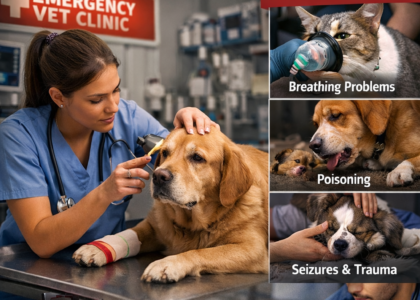


Pets are beloved members of our families, and just like humans, they can experience sudden health issues that require immediate attention. This is where veterinary urgent care comes into play. Unlike routine veterinary visits, urgent care clinics are designed to handle unexpected illnesses and injuries that need prompt treatment but may not be life-threatening emergencies.
Understanding the role of veterinary urgent care, when to seek it, and how it differs from full-scale emergency veterinary services can make a huge difference in your pet’s health outcomes. From minor injuries like cuts and sprains to sudden illnesses such as vomiting, breathing difficulties, or infections, urgent care clinics provide timely interventions that can prevent complications and improve recovery.
In this comprehensive guide, we will explore everything a pet owner needs to know about veterinary urgent care, including signs your pet may need urgent attention, what to expect during a visit, costs, preventive measures, and tips for finding a trusted clinic. Whether you are a first-time pet owner or have had pets for years, this guide will help you be prepared for unexpected pet health emergencies and make informed decisions when every minute counts.
What is Veterinary Urgent Care?
Veterinary urgent care is a specialized type of veterinary service designed to provide prompt medical attention to pets experiencing sudden health issues that are not necessarily life-threatening emergencies but still require immediate care. Unlike routine veterinary visits, which are scheduled for check-ups, vaccinations, or ongoing care, urgent care clinics are focused on treating unexpected illnesses and injuries efficiently.
The key difference between urgent care and emergency veterinary care lies in the severity of the condition. Emergency veterinary care handles critical situations like severe trauma, life-threatening illnesses, or major accidents that need immediate, intensive interventions. Urgent care, on the other hand, deals with issues that need same-day attention but may not be immediately life-threatening, such as minor cuts, sprains, vomiting, diarrhea, or mild allergic reactions.
Services Typically Offered at Veterinary Urgent Care Clinics
Veterinary urgent care centers often provide a wide range of services, including:
- Diagnostics: Blood tests, X-rays, and ultrasounds to quickly assess the pet’s condition.
- Wound care and minor surgeries: Treating cuts, lacerations, and minor injuries.
- Medication administration: Prescribing and administering antibiotics, pain relief, or IV fluids.
- Treatment for sudden illnesses: Vomiting, diarrhea, allergic reactions, and mild infections.
- Fracture support and splinting: Providing initial care for broken bones before referral to a full emergency hospital if needed.
Why Veterinary Urgent Care is Important
Timely care can prevent minor issues from becoming serious health problems. For example, a small cut that becomes infected could escalate into a systemic infection if not treated promptly. Similarly, conditions like vomiting or lethargy, which might seem minor at first, could indicate underlying illnesses such as pancreatitis, infections, or internal blockages.
By offering immediate attention outside regular clinic hours, veterinary urgent care bridges the gap between standard veterinary care and full-scale emergency services. Many urgent care clinics operate during evenings, weekends, and holidays, making them accessible when your regular vet is unavailable.
Signs Your Pet Needs Urgent Care
Knowing when to seek veterinary urgent care can make a critical difference in your pet’s health. Pets often hide signs of illness or injury, so recognizing subtle changes in behavior or physical condition is essential. While not all urgent situations are emergencies, prompt care can prevent conditions from worsening.
Common Symptoms Requiring Urgent Care
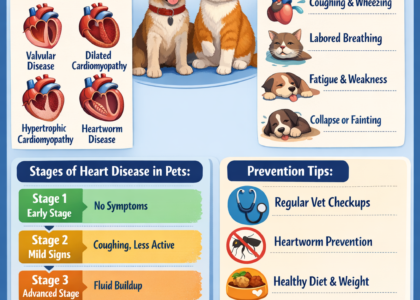
- Difficulty Breathing – Labored breathing, wheezing, or persistent coughing may indicate respiratory distress, asthma flare-ups, or heart problems.
- Severe Bleeding – Cuts, deep wounds, or bleeding that doesn’t stop with pressure require immediate attention.
- Sudden Collapse or Seizures – A pet that collapses, experiences convulsions, or loses consciousness needs urgent evaluation.
- Ingesting Toxins or Foreign Objects – Pets, especially dogs and cats, may ingest household chemicals, human medications, or small objects that can cause blockages or poisoning.
- Persistent Vomiting or Diarrhea – While occasional vomiting might be minor, repeated episodes can lead to dehydration or indicate infections, pancreatitis, or gastrointestinal obstructions.
- Severe Lethargy or Weakness – Unexplained weakness, reluctance to move, or sudden inactivity can signal underlying illnesses such as anemia, infections, or organ issues.
- Pain or Swelling – Limping, swelling, or yelping when touched may indicate injuries like sprains, fractures, or joint problems.
How to Assess Severity: Urgent Care vs. Emergency Room
- Urgent Care is appropriate for conditions that require same-day attention but aren’t immediately life-threatening. Examples: minor cuts, vomiting, mild allergic reactions, ear infections, or minor sprains.
- Emergency Care is needed when your pet’s life is at risk. Examples: difficulty breathing, severe trauma, uncontrolled bleeding, poisoning, or seizures that don’t stop.
Quick Checklist for Pet Owners
- Observe your pet for behavioral changes, appetite loss, or unusual lethargy.
- Monitor for physical symptoms like swelling, vomiting, or bleeding.
- Ask yourself: “Does this need attention today, or can it wait for a routine visit?” If the answer is today, veterinary urgent care is the right choice.
Pro Tip: Keep a list of nearby urgent care and emergency veterinary clinics in your area, including their hours and contact numbers, to save precious time in an emergency.
Veterinary Urgent Care vs. Emergency Veterinary Care
Many pet owners are often confused about the difference between veterinary urgent care and emergency veterinary care. Understanding the distinction can help you make faster, more informed decisions during stressful situations.
Key Differences in Services
| Feature | Veterinary Urgent Care | Emergency Veterinary Care |
|---|---|---|
| Purpose | Treats non-life-threatening but immediate issues | Handles life-threatening conditions and major trauma |
| Availability | Often open evenings, weekends, and some holidays | 24/7, including nights and holidays |
| Typical Cases | Minor cuts, vomiting, mild allergic reactions, sprains | Severe bleeding, poisoning, seizures, breathing difficulties, major trauma |
| Cost | Generally lower than emergency care | Higher due to specialized equipment and intensive care |
| Staffing | General veterinarians and vet technicians | Emergency vets, critical care specialists, advanced diagnostics |
When to Choose Urgent Care vs. Emergency Care
Veterinary Urgent Care is appropriate for situations like:
- A dog with a minor laceration that needs cleaning and stitches.
- A cat vomiting repeatedly but still alert and responsive.
- Mild allergic reactions, such as swelling around the face or paw.
Emergency Veterinary Care is needed for life-threatening events like:
- Difficulty breathing or choking.
- Severe trauma from a car accident or fall.
- Seizures lasting more than a few minutes or repeated convulsions.
- Ingestion of toxic substances that can cause rapid organ failure.
Why Understanding the Difference Matters
Choosing the right type of care can save time, reduce costs, and improve outcomes. For instance, rushing to an emergency clinic for a minor cut might be unnecessarily expensive, while taking a critically ill pet to a regular vet first could delay life-saving interventions.
Expert Tip: Always err on the side of caution. If you’re unsure whether it’s urgent or an emergency, call your veterinary urgent care center or emergency hospital for guidance—they can triage your pet’s situation over the phone.
What to Expect During a Veterinary Urgent Care Visit
Visiting a veterinary urgent care clinic can be stressful for both you and your pet, especially when they are unwell. Knowing what to expect can help you stay calm, prepare adequately, and ensure your pet receives the best care possible.
Step-by-Step Process
- Check-In and Triage
Upon arrival, the staff will ask about your pet’s symptoms, medical history, and any medications they are taking. A triage nurse or veterinarian will assess the urgency of your pet’s condition to determine how quickly they need to be seen. - Initial Examination
The veterinarian will perform a physical examination, checking vital signs such as temperature, heart rate, breathing, and overall behavior. They may also palpate areas of concern to locate injuries or abnormalities. - Diagnostic Testing
Depending on your pet’s symptoms, urgent care clinics can provide blood work, X-rays, ultrasounds, or other imaging to quickly identify underlying issues. These tests help the veterinarian make an informed treatment plan. - Treatment Plan and Intervention
Based on the findings, the veterinarian may:- Administer medications (pain relief, antibiotics, anti-nausea drugs)
- Perform minor procedures like suturing wounds or treating minor fractures
- Provide fluids or supportive care for dehydration or illness
- Recommend follow-up care or referral to an emergency hospital if necessary
- Discharge and Home Care Instructions
After treatment, the staff will explain home care steps, medication schedules, and warning signs that require a return visit. Many urgent care centers also offer phone or telemedicine follow-ups to monitor your pet’s recovery.
Cost Considerations and Insurance Tips
The cost of a veterinary urgent care visit varies depending on:
- The complexity of the condition
- Diagnostic tests required
- Medications or procedures administered
Most urgent care visits are less expensive than full emergency care, but it’s wise to check if your pet insurance covers urgent care visits. Having an emergency fund for pets is also recommended, as unexpected visits can be financially challenging.
Tips to Make the Visit Smoother
- Bring your pet’s medical records and current medications.
- Transport your pet safely in a carrier or harness to prevent stress or injury.
- Keep a calm demeanor, as pets can pick up on your anxiety.
- Ask questions and take notes about your pet’s diagnosis, treatment, and follow-up care.
Pro Tip: Some urgent care centers allow you to call ahead, describe your pet’s symptoms, and get an estimated wait time, which can reduce stress and streamline care.
Common Procedures and Treatments in Veterinary Urgent Care
Veterinary urgent care clinics are equipped to handle a wide range of conditions and provide immediate interventions for pets. Understanding the types of procedures and treatments offered can help you know what to expect during a visit and feel more confident in the care your pet receives.
1. Minor Surgeries and Wound Care
Urgent care clinics often treat cuts, lacerations, and small injuries that require stitches, cleaning, or minor surgical intervention. These procedures are typically performed under local or mild sedation, allowing your pet to recover quickly at home.
2. IV Fluids and Medication Administration
Dehydration from vomiting, diarrhea, or illness is common in pets and can become serious if untreated. Urgent care centers provide intravenous (IV) fluids to stabilize your pet. They also administer medications such as:
- Pain relievers
- Antibiotics for infections
- Anti-nausea or anti-diarrheal drugs
- Anti-inflammatory medications
3. Diagnostic Testing
Quick and accurate diagnosis is essential in urgent care settings. Common diagnostic tools include:
- Blood tests to check organ function, infections, or anemia
- X-rays for fractures, swallowed objects, or internal injuries
- Ultrasounds for abdominal or soft tissue evaluation
- Urine tests to detect infections or kidney issues
4. Fracture Support and Splinting
If your pet has a minor fracture or sprain, urgent care clinics can provide temporary stabilization, including splints or bandages, before referring to a full orthopedic specialist if needed.
5. Pain Management and Supportive Care
Pets in pain often hide their discomfort. Urgent care clinics focus on relieving pain and stress, ensuring pets remain comfortable during recovery. This may include pain medications, anti-inflammatory treatment, or supportive therapies such as heat therapy or bandaging.
6. Treatment of Sudden Illnesses
Pets can develop unexpected illnesses such as vomiting, diarrhea, allergic reactions, or infections. Veterinary urgent care provides rapid evaluation and treatment, helping prevent complications like dehydration, organ failure, or worsening infections.
Case Study Example:
A 4-year-old dog ingested a small toy, causing partial intestinal blockage. The owner rushed the pet to a veterinary urgent care clinic. The team performed X-rays, administered fluids, and closely monitored the dog. Within hours, the obstruction passed safely, preventing a costly emergency surgery and serious complications.
Preparing for a Visit to Veterinary Urgent Care
Being prepared for a veterinary urgent care visit can make a big difference in how smoothly the appointment goes and how comfortable your pet feels. Proper preparation helps reduce stress, ensures the veterinarian has all necessary information, and speeds up diagnosis and treatment.
1. What to Bring
- Medical Records: Bring your pet’s vaccination history, past illnesses, surgeries, and any recent test results.
- Current Medications: Include prescription medicines, supplements, and even over-the-counter treatments.
- Pet Carrier or Harness: Ensure safe and secure transport, especially for cats or small dogs.
- Comfort Items: A favorite toy or blanket can help calm your pet during the visit.
2. Safely Transporting Your Pet
- Use a sturdy carrier for cats, small dogs, and exotic pets.
- For larger dogs, a leash and muzzle may be necessary if your pet is anxious or in pain.
- Avoid feeding immediately before the trip if your pet is vomiting or nauseated.
- Drive carefully and keep the vehicle calm to reduce stress.
3. Preparing Yourself
- Stay Calm: Pets can sense your anxiety. Staying composed helps them remain calm.
- Prepare Questions: Write down any concerns, symptoms, or behavioral changes you’ve noticed.
- List of Contacts: Have your regular vet’s contact information ready in case the urgent care clinic needs records or follow-up advice.
4. Tips for a Smooth Visit
- Call ahead if possible to describe your pet’s symptoms and get an estimated wait time.
- Arrive early to allow for check-in and triage.
- Be honest about any medications, dietary changes, or recent events that could affect your pet’s health.
- Follow staff instructions closely and ask questions if anything is unclear.
Pro Tip: Keeping a ready-to-go pet emergency kit with essentials like carrier, medications, and medical records can save precious time when unexpected health issues arise.
Proper preparation not only helps the veterinarian provide faster, more accurate care but also reduces stress for your pet and family during what can be a worrying time.
Veterinary Urgent Care for Different Types of Pets
Veterinary urgent care is not just for dogs and cats. Many urgent care clinics are equipped to treat a variety of pets, including birds, reptiles, and small mammals. Understanding how urgent care applies to different types of animals can help pet owners recognize signs of illness and seek timely treatment.
1. Dogs: Common Urgent Care Situations
Dogs are prone to accidents and sudden illnesses. Typical urgent care cases for dogs include:
- Cuts, scrapes, and lacerations
- Sprains or minor fractures
- Vomiting or diarrhea
- Allergic reactions (e.g., insect stings or food allergies)
- Heatstroke, especially in warm climates or after exercise
Dogs often hide pain, so look for changes in behavior, appetite, or activity levels as early warning signs.
2. Cats: Signs and Treatments Specific to Felines
Cats can be more subtle in showing illness. Urgent care may be required for situations such as:
- Urinary blockages, which can be life-threatening if untreated
- Vomiting or persistent diarrhea
- Cuts from fights or accidents
- Respiratory issues like wheezing or coughing
- Sudden lethargy or weakness
Cats may resist handling, so safe transport in a secure carrier is essential. Veterinary staff are trained to manage stressed or anxious cats during urgent care visits.
3. Exotic Pets: Birds, Reptiles, and Small Mammals
Exotic pets often require specialized knowledge for urgent care. Some common scenarios include:
- Birds with broken wings or feather plucking injuries
- Reptiles with metabolic disorders, dehydration, or injuries
- Small mammals (rabbits, guinea pigs, ferrets) with digestive issues or trauma
Urgent care clinics that treat exotic pets typically have specialized equipment and staff experienced in handling different species safely.
Why Pet-Specific Care Matters
Each type of pet has unique anatomy, metabolism, and stress responses. A veterinary urgent care clinic experienced with multiple species can provide:
- Accurate diagnostics tailored to the species
- Proper medication dosages
- Safe handling techniques to reduce stress and prevent further injury
Tip: If you have an exotic or less common pet, ask in advance if the urgent care clinic has experience treating your type of animal. This ensures your pet receives appropriate and effective care.
Finding a Reliable Veterinary Urgent Care Center
Knowing where to take your pet in case of a sudden illness or injury is crucial. Finding a reliable veterinary urgent care center ensures your pet receives timely, professional care when you need it most.
1. How to Search for 24-Hour or Urgent Care Veterinary Clinics
- Online Search: Use terms like “veterinary urgent care near me,” “24-hour animal clinic,” or “pet urgent care” to find nearby options.
- Local Veterinary Networks: Ask your regular vet for recommendations—they often have partnerships or know trusted urgent care centers.
- Pet Owner Communities: Social media groups or local forums can provide first-hand experiences and reviews.
2. Questions to Ask Before Choosing a Clinic
- Are you open during evenings, weekends, and holidays?
- What types of emergencies or urgent cases do you handle?
- Do you have veterinarians experienced with my type of pet (dog, cat, exotic)?
- What diagnostic and treatment equipment is available on-site?
- Do you accept pet insurance, and what are the payment options?
3. Online Reviews, Referrals, and Recommendations
- Read Google reviews, Yelp, or Facebook ratings for insights into staff professionalism, wait times, and care quality.
- Talk to friends, family, or coworkers who have used urgent care clinics for their pets.
- Check if the clinic is accredited or affiliated with professional veterinary associations for credibility.
4. Tips for Building a Relationship with Your Urgent Care Clinic
- Visit the clinic before an emergency to meet the staff and see the facilities.
- Keep your pet’s medical records updated and on hand for faster service.
- Ask about membership or loyalty programs some clinics offer, which can provide discounts or priority care.
- Make a note of the clinic’s hours, contact information, and emergency protocols for quick reference
Cost of Veterinary Urgent Care
Understanding the cost of veterinary urgent care is important for pet owners so they can prepare financially for unexpected visits. Prices can vary widely depending on the type of care, location, and specific treatments required.
1. Average Costs for Common Urgent Care Visits
| Service | Average Cost (USD) | Notes |
|---|---|---|
| Initial consultation/exam | $50–$100 | Varies by clinic and location |
| Minor wound treatment & sutures | $100–$300 | Depends on complexity and materials |
| X-rays or imaging | $75–$200 per image | Multiple images increase cost |
| Blood tests | $50–$150 | Panels for organ function, infection, etc. |
| IV fluids | $30–$80 | For dehydration or supportive care |
| Medication (antibiotics, pain relief) | $20–$100+ | Depends on type and dosage |
2. Factors Affecting Price
- Severity of the condition: More complex or urgent cases require more resources.
- Diagnostics and tests: Blood work, imaging, and lab tests increase costs.
- Medications and procedures: Emergency interventions or minor surgeries add to the total.
- Location: Urban areas often have higher fees than rural areas.
- After-hours care: Visits during nights, weekends, or holidays may include surcharges.
3. Insurance Options for Urgent Care Visits
- Many pet insurance plans cover urgent care visits, though coverage can vary.
- Check whether your policy includes diagnostic tests, procedures, and medications.
- Some plans require a copay or deductible.
4. Tips for Budgeting and Emergency Funds
- Keep a dedicated pet emergency fund for unexpected medical costs.
- Ask the clinic for a cost estimate before treatment when possible.
- Consider preventive care, as regular check-ups and vaccinations can reduce urgent care visits and long-term expenses.
- Explore payment plans offered by some clinics to manage high-cost procedures.
Pro Tip: Knowing the potential costs and having financial options ready can make the decision to seek veterinary urgent care faster and less stressful, ensuring your pet receives the care they need immediately.
Preventing Emergencies – How Regular Vet Care Helps
While veterinary urgent care is essential for sudden illnesses or injuries, the best way to protect your pet’s health is through preventive care. Regular veterinary visits can identify potential issues early, reducing the likelihood of urgent or emergency situations.
1. Importance of Routine Check-Ups
- Annual or bi-annual exams allow veterinarians to monitor your pet’s overall health.
- Early detection of issues like kidney disease, diabetes, or heart problems can prevent complications that might require urgent care.
- Check-ups often include physical examinations, weight checks, and behavioral assessments.
2. Vaccinations and Parasite Control
- Keeping your pet up to date on vaccines protects against common infectious diseases.
- Regular parasite prevention (fleas, ticks, worms) reduces the risk of illnesses that could escalate into urgent care situations.
3. Dental Care
- Oral health is often overlooked but can lead to serious systemic issues if untreated.
- Routine dental exams and cleanings help prevent infections, tooth loss, and heart or kidney complications.
4. Diet, Exercise, and Lifestyle
- Proper nutrition strengthens your pet’s immune system and overall health.
- Regular exercise maintains healthy weight and joint function, reducing injuries and mobility issues.
- Safe home environments reduce exposure to hazards like toxic foods, chemicals, or dangerous objects.
5. Monitoring Pets at Home
- Keep an eye on behavioral changes, appetite, energy levels, and bathroom habits.
- Early recognition of subtle symptoms can allow for timely veterinary visits, often preventing the need for urgent care.
- Maintain a health journal for your pet to track any changes between visits.
Fact: According to the American Veterinary Medical Association, pets that receive regular preventive care have significantly lower incidences of emergencies and hospitalizations, highlighting the importance of proactive health management.
By combining regular veterinary care with knowledge of veterinary urgent care, pet owners can minimize the risk of sudden health crises while ensuring pets get timely treatment when unexpected issues arise.
Frequently Asked Questions About Veterinary Urgent Care
Pet owners often have questions about veterinary urgent care, especially when faced with sudden health issues. Here are some of the most common FAQs to help you make informed decisions.
1. What qualifies as a true urgent situation?
A situation is urgent if your pet requires same-day medical attention but is not in immediate life-threatening danger. Examples include:
- Minor cuts or lacerations
- Vomiting or diarrhea lasting more than a day
- Mild allergic reactions
- Sprains or minor fractures
2. Can urgent care handle major emergencies?
Most urgent care clinics cannot manage critical, life-threatening emergencies like severe trauma, uncontrolled bleeding, poisoning, or respiratory distress. In these cases, you should go directly to a 24-hour emergency veterinary hospital.
3. How fast can I expect treatment?
- Triage usually happens within minutes of arrival.
- Pets with more serious urgent issues are treated immediately, while less severe cases may experience short wait times.
- Calling ahead and describing symptoms can help the clinic prioritize your pet.
4. Are urgent care clinics open on holidays?
Many urgent care clinics offer extended hours, evenings, weekends, and holidays, but it’s best to check each clinic’s schedule in advance to avoid surprises.
5. Should I go to urgent care or call my regular vet first?
- If your pet shows mild to moderate symptoms and your regular vet is available, calling them first is appropriate.
- If your pet’s condition is sudden, painful, or worsening, it’s safer to go directly to a veterinary urgent care clinic.
- Many urgent care clinics can triage your pet over the phone, helping you decide the best course of action.
Pro Tip: Keep a list of FAQs and emergency numbers handy. This allows you to quickly determine if your pet needs urgent care or emergency services when seconds matter.
Resources for Pet Owners
Being informed is one of the best ways to ensure your pet receives timely and effective care. There are numerous resources that can help pet owners navigate urgent situations and better understand veterinary urgent care.
1. Trusted Online Resources for Pet Health
- American Veterinary Medical Association (AVMA) – Offers reliable guidance on pet health, preventive care, and emergency situations.
- PetMD – Provides symptom checkers, health articles, and advice on urgent care scenarios.
- Veterinary Partner – Gives pet owners detailed, vet-reviewed information about diseases, treatments, and emergency care.
2. Veterinary Associations and Hotlines
- ASPCA Poison Control Hotline – 1-888-426-4435 (24/7) for cases of potential poisoning in pets.
- Pet Poison Helpline – 1-855-764-7661 for expert guidance on toxic ingestion.
- Local veterinary associations often maintain lists of 24-hour urgent care and emergency clinics.
3. Mobile Apps and Online Tools
- Apps like VetFinder, Pet First Aid, and PetMD can help locate nearby veterinary urgent care clinics.
- Some apps provide first aid tips and symptom tracking, which can be useful during travel or emergencies.
4. Educational Materials and Community Support
- Local pet stores, shelters, and veterinary clinics often offer pamphlets, workshops, or webinars on pet health and emergency preparedness.
- Online forums, social media groups, and local pet communities can provide real-world advice from experienced pet owners.
Pro Tip: Keep a resource folder with important numbers, apps, and reference links. This ensures you can access urgent care information quickly, even during high-stress situations.
By leveraging these resources, pet owners can be better prepared, respond faster to emergencies, and make informed decisions about when to seek veterinary urgent care.
Conclusion
Veterinary urgent care plays a crucial role in keeping pets healthy and safe during unexpected illnesses or injuries. By understanding what urgent care is, recognizing the signs your pet needs immediate attention, and knowing the differences between urgent care and emergency veterinary services, pet owners can make faster, more informed decisions that can save lives and prevent complications.
Preparing for a visit, knowing what to expect, and having a trusted urgent care clinic identified in advance ensures that your pet receives timely, professional care. Regular preventive care, proper diet, exercise, and monitoring your pet’s behavior can significantly reduce the likelihood of urgent situations, helping maintain long-term health and wellbeing.