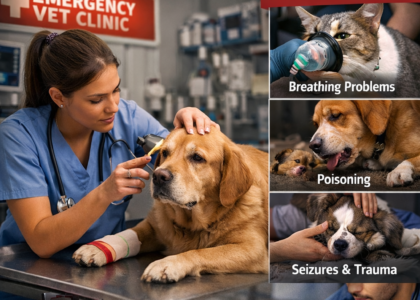

Veterinary Lab Technician
The role of veterinary lab technician is an essential part of animal healthcare, combining science, precision, and a deep understanding of veterinary medicine. These professionals work behind the scenes in clinics, hospitals, research laboratories, and diagnostic centers to provide critical laboratory support that helps veterinarians diagnose and treat animals effectively. From analyzing blood and tissue samples to operating specialized laboratory equipment, vet lab technicians are highly trained experts who ensure that every test result is accurate and reliable.
In this comprehensive guide, we will explore everything you need to know about becoming a veterinary lab technician, including their daily responsibilities, required skills, educational requirements, career opportunities, and tips for aspiring professionals. Whether you are considering a career as a veterinary technician in a lab or are curious about the behind-the-scenes work in animal healthcare, this article will provide a thorough overview of the field.
Key highlights you’ll learn in this article:
- What a veterinary lab technician does and why the role is important
- Typical daily tasks and laboratory responsibilities
- Required skills, training, and certifications
- Career opportunities and salary expectations
- Challenges and tips for success in the field
What is a Veterinary Lab Technician?
A veterinary lab technician is a trained professional who works alongside veterinarians and other animal healthcare specialists to perform essential laboratory tests on animal samples. These technicians play a critical role in diagnosing diseases, monitoring treatments, and ensuring the overall health of animals in clinics, hospitals, research facilities, and diagnostic labs.
Unlike veterinarians, who focus on examining, diagnosing, and treating animals, veterinary lab technicians specialize in laboratory procedures. They handle blood, urine, tissue, and other biological samples to detect infections, monitor organ function, and identify diseases at an early stage. This behind-the-scenes work is crucial because accurate lab results form the foundation for effective medical decisions.
Key aspects of a veterinary lab technician role include:
- Sample collection and preparation: Drawing blood, collecting urine, or preparing tissue samples for analysis.
- Diagnostic testing: Performing blood counts, urinalysis, microbiology cultures, and biochemical tests.
- Lab management: Maintaining lab equipment, ensuring safety protocols, and documenting results.
- Collaboration: Working closely with veterinarians and other vet staff to interpret lab results and inform treatment plans.
Veterinary lab technicians can be found in various workplaces:
- Veterinary clinics and hospitals – supporting routine diagnostic tests.
- Research laboratories – assisting in studies on animal health, disease prevention, or drug development.
- Universities and teaching hospitals – helping with educational programs and experiments.
- Diagnostic laboratories – handling high volumes of samples from multiple practices.
The role requires a combination of scientific knowledge, technical skills, and attention to detail. For those passionate about animal care but interested in lab work rather than direct patient handling, this is a highly rewarding career path.
Roles and Responsibilities of a Veterinary Lab Technician
A veterinary lab technician performs a variety of critical tasks that support veterinarians in diagnosing and treating animals. Their responsibilities combine laboratory expertise with practical animal care knowledge.
Primary roles include:
- Laboratory Testing: Conducting diagnostic tests on blood, urine, tissue, and other samples to detect diseases, infections, or abnormalities.
- Sample Collection and Preparation: Drawing blood, collecting urine, and preparing specimens for analysis while ensuring safety and accuracy.
- Equipment Management: Operating and maintaining microscopes, centrifuges, analyzers, and other lab equipment.
- Data Recording and Reporting: Documenting test results accurately and communicating findings to veterinarians.
- Supporting Clinical Procedures: Assisting veterinarians during procedures, surgeries, or experimental studies that require lab input.
By performing these tasks, veterinary lab technicians ensure that veterinarians have reliable data to make informed decisions about animal treatment. Their attention to detail and lab proficiency can significantly affect an animal’s health outcomes.
Daily Tasks of a Veterinary Lab Technician
A typical day for a veterinary lab technician involves a mix of hands-on laboratory work, record-keeping, and collaboration with veterinary staff. While tasks may vary depending on the workplace, some common daily activities include:
- Sample Collection: Drawing blood, taking urine samples, swabs, and tissue samples from animals safely and efficiently.
- Laboratory Analysis: Running diagnostic tests such as blood counts, urinalysis, microbiology cultures, and biochemical panels.
- Specimen Preparation: Preparing slides, staining samples, and ensuring specimens are ready for examination by veterinarians.
- Equipment Operation and Maintenance: Using microscopes, centrifuges, analyzers, and other lab equipment, while ensuring proper calibration and cleanliness.
- Record-Keeping: Accurately documenting test results, maintaining lab logs, and reporting findings to veterinarians.
- Inventory Management: Monitoring lab supplies and ensuring all necessary reagents and materials are available.
- Safety and Compliance: Following biohazard protocols and maintaining a clean, safe lab environment.
Despite being behind the scenes, the work of a veterinary lab technician directly impacts accurate diagnoses and effective treatment plans. A combination of technical expertise and attention to detail is essential to excel in this role.
Skills Required to Be a Successful Veterinary Lab Technician
To excel as a veterinary lab technician, a combination of technical expertise, scientific knowledge, and interpersonal skills is essential. These skills ensure accurate lab results and smooth collaboration with veterinary staff.
Key skills include:
- Laboratory and Technical Skills: Proficiency in handling lab equipment, performing diagnostic tests, and preparing samples accurately.
- Attention to Detail: Precision is critical when working with small samples and interpreting test results.
- Knowledge of Animal Biology and Pathology: Understanding anatomy, physiology, and common diseases helps in accurate sample analysis.
- Communication Skills: Ability to clearly report results and collaborate effectively with veterinarians and other staff.
- Problem-Solving and Critical Thinking: Quickly identifying errors or inconsistencies in tests and finding solutions.
- Time Management: Balancing multiple tasks efficiently in a fast-paced environment.
- Compassion and Patience: Handling animals safely and humanely, even in stressful situations.
By mastering these skills, a veterinary lab technician not only ensures the accuracy and reliability of lab work but also contributes to better patient outcomes and efficient veterinary practice operations.
Educational Requirements and Training
Becoming a veterinary lab technician requires a solid educational foundation and hands-on training to develop both scientific knowledge and practical skills.
Typical educational path includes:
- High School Diploma or Equivalent: Courses in biology, chemistry, and mathematics provide a strong foundation.
- Associate Degree in Veterinary Technology or Related Field: Most veterinary lab technicians complete a two-year program that covers anatomy, physiology, microbiology, and laboratory techniques.
- Laboratory-Specific Training: Programs often include courses in clinical pathology, hematology, urinalysis, and diagnostic testing.
- Hands-On Experience: Internships or on-the-job training in veterinary clinics or research labs help students gain practical experience.
Certifications and Licensing:
- Many states require passing the Veterinary Technician National Exam (VTNE) to practice as a licensed veterinary technician.
- Some veterinary lab technicians pursue additional certifications in areas like clinical pathology or laboratory diagnostics to enhance career opportunities.
- Continuing education is often required to maintain licensure and stay updated with advancements in veterinary lab technologies.
Proper education and training ensure that veterinary lab technicians are equipped to perform accurate laboratory tests, adhere to safety protocols, and support veterinarians in delivering high-quality animal care.
Career Path and Opportunities
A career as a veterinary lab technician offers a variety of opportunities, from entry-level positions to specialized roles in research or diagnostics. With experience and additional certifications, professionals can expand their responsibilities and career prospects.
Career Progression:
- Entry-Level Positions: Most start as veterinary technicians in clinics, hospitals, or diagnostic labs, performing routine laboratory tests and sample processing.
- Specializations: Technicians can focus on areas such as clinical pathology, microbiology, molecular diagnostics, or research lab work.
- Advanced Roles: With experience and further education, some may become senior lab technicians, laboratory supervisors, or educators in veterinary technology programs.
Work Environments:
- Veterinary Clinics and Hospitals: Performing diagnostic tests to assist in day-to-day animal care.
- Research Laboratories: Contributing to studies on animal health, drug development, or disease prevention.
- Zoos and Wildlife Centers: Conducting tests for exotic or endangered animals.
- Diagnostic Laboratories: Handling high volumes of samples from multiple veterinary practices.
Salary Expectations and Job Outlook:
- According to the U.S. Bureau of Labor Statistics, veterinary technicians earn an average annual salary of $40,000–$45,000, with higher pay possible in research labs or specialized facilities.
- Job growth is projected to be faster than average (around 16% over the next decade) due to increasing demand for veterinary services and laboratory diagnostics.
A career as a veterinary lab technician is both stable and rewarding, offering opportunities for specialization, advancement, and meaningful contributions to animal healthcare.
Pros and Cons of Being a Veterinary Lab Technician
Like any career, being a veterinary lab technician comes with its advantages and challenges. Understanding both can help aspiring professionals make informed decisions.
Pros:
- Helping Animals: Contributing directly to animal health and wellbeing is highly rewarding.
- Variety in Daily Work: Each day can bring new challenges, from different lab tests to working with various species.
- Career Growth Opportunities: Potential to specialize, advance to supervisory roles, or work in research.
- Stable Demand: Growing need for veterinary services ensures consistent job opportunities.
Cons:
- Exposure to Biohazards: Handling blood, tissue, and other samples requires strict safety protocols.
- Emotional Challenges: Dealing with sick or injured animals can be emotionally taxing.
- Physical Demands: Long hours standing in labs and handling animals can be tiring.
- Pay Limitations: While rewarding, salaries may be modest compared to other healthcare professions, particularly in entry-level positions.
Understanding these pros and cons allows aspiring vet lab technicians to prepare for the demands of the role while appreciating its unique rewards.
Tools and Equipment Used by Veterinary Lab Technicians
A veterinary lab technician relies on specialized tools and equipment to perform accurate tests and ensure reliable results. Familiarity with these instruments is essential for daily tasks and maintaining lab efficiency.
Common Tools and Equipment:
- Microscopes: Used for examining blood, tissue, and urine samples at a cellular level.
- Centrifuges: Separate components of blood or other fluids for analysis.
- Blood Analyzers: Automated machines that measure blood cell counts and chemical levels.
- Urinalysis Equipment: Tools for analyzing urine samples for infections or abnormalities.
- Safety Equipment: Gloves, lab coats, goggles, and biohazard disposal systems to ensure safety.
- Laboratory Software: Digital tools for recording, analyzing, and sharing test results with veterinarians.
Using these tools properly ensures the accuracy and reliability of lab tests, reduces errors, and maintains a safe working environment for both the technician and the animals.
Common Challenges in the Role
While being a veterinary lab technician is rewarding, the role comes with several challenges that require skill, patience, and adaptability.
Common Challenges Include:
- Handling Difficult or Aggressive Animals: Some animals may be stressed, fearful, or aggressive, making sample collection and lab procedures challenging.
- Maintaining Accuracy Under Pressure: High workloads and urgent testing demands require technicians to stay focused and precise.
- Keeping Up with Evolving Lab Technologies: Rapid advancements in diagnostic tools and software require continuous learning and adaptation.
- Emotional Stress: Working with sick, injured, or endangered animals can be emotionally taxing, particularly in research or clinical settings.
- Biohazard Risks: Exposure to blood, tissue, and infectious agents necessitates strict adherence to safety protocols.
Despite these challenges, veterinary lab technicians develop resilience, problem-solving skills, and professional expertise that make them invaluable in the field of animal healthcare.
Tips for Aspiring Veterinary Lab Technicians
For those interested in becoming a veterinary lab technician, preparation and proactive steps can help ensure a successful career.
Helpful Tips Include:
- Pursue Relevant Education: Enroll in accredited programs in veterinary technology, clinical pathology, or lab sciences.
- Gain Hands-On Experience: Seek internships, volunteer opportunities, or part-time positions in veterinary clinics or research labs.
- Network with Professionals: Join veterinary associations, attend workshops, or connect with experienced technicians for guidance.
- Prepare for Certification Exams: Study for the Veterinary Technician National Exam (VTNE) and any state-specific licensing requirements.
- Develop Key Skills: Focus on laboratory techniques, attention to detail, communication, and time management.
- Stay Updated: Keep abreast of new diagnostic technologies, lab equipment, and veterinary care practices.
By following these tips, aspiring vet lab technicians can build a strong foundation for a rewarding and successful career in animal healthcare.