What is a PET Scan and Why Diet Matters
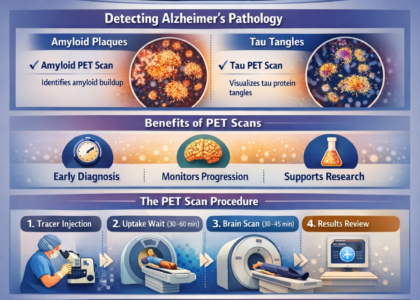
A PET scan (Positron Emission Tomography) is a medical imaging test that allows doctors to see how your organs and tissues are functioning in real time. Unlike an X-ray or CT scan, which only shows the structure of your body, a PET scan highlights metabolic activity and can detect early signs of disease such as cancer, heart problems, or brain disorders. This makes it an essential diagnostic tool for doctors, but it also means that your diet leading up to the scan plays a crucial role in the accuracy of the results.
Understanding PET Scans
PET scans work by injecting a small amount of a radioactive sugar substance, typically fluorodeoxyglucose (FDG), into your bloodstream. Since many diseases, particularly cancer, consume sugar at a faster rate than normal tissues, the scan highlights areas with high metabolic activity. This allows doctors to pinpoint abnormalities even before structural changes occur.
However, this process also means that what you eat before a PET scan can directly affect the results. Eating foods high in sugar or carbohydrates can cause your body to produce extra glucose in the bloodstream, which may interfere with the FDG uptake in tissues. In other words, the scan might show false positives or false negatives, potentially leading to misdiagnosis or the need for repeat tests.
Why Your Diet Affects PET Scan Accuracy
- Blood Sugar Levels: Elevated glucose from a carb-heavy meal can compete with the radioactive sugar tracer, reducing its uptake in target areas.
- Metabolic Interference: Certain foods, especially processed sugars and refined carbs, can increase metabolic activity in non-target tissues, creating background “noise” in the scan.
- Timing of Meals: When you eat and what you eat in the hours leading up to the PET scan can either enhance or hinder image clarity.
Key Insight: Following the correct PET scan diet isn’t just a recommendation—it’s a critical part of preparing for the procedure to ensure your results are reliable and accurate.
General Guidelines for a PET Scan Diet
Following a PET scan diet properly is crucial to ensure accurate results. Small changes in what you eat—or when you eat—can make a big difference in how clearly your scan detects abnormalities. This section breaks down the foods to avoid, foods you can eat, timing tips, and special considerations for certain patients.
Foods to Avoid Before a PET Scan
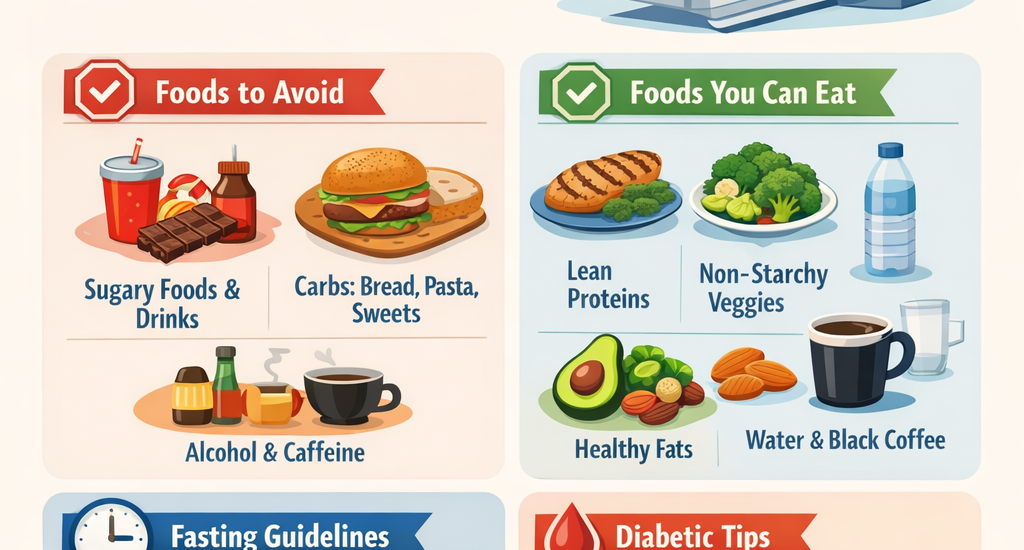
Certain foods can interfere with the uptake of the radioactive tracer in your body, making the PET scan less accurate. Avoiding these foods is essential in the 24 hours before your scan:
- High-sugar foods and drinks: Soda, candy, desserts, fruit juices. Sugar spikes your blood glucose, which competes with the radioactive tracer.
- Refined carbohydrates: White bread, pasta, rice, pastries. These can cause temporary increases in metabolic activity in muscles and organs.
- Fatty or fried foods: While not directly affecting tracer uptake, they can slow digestion and cause discomfort during fasting.
- Alcohol and caffeine: Alcohol can alter metabolism, and caffeine may increase heart rate, potentially affecting cardiac PET scans.
Pro Tip: Even “healthy” high-carb foods like bananas or sweet potatoes should be limited the day before your scan unless your doctor advises otherwise.
Foods You Can Eat Before a PET Scan
The ideal PET scan diet focuses on low-carbohydrate, high-protein, and non-starchy vegetables. These foods help maintain normal metabolism without interfering with the scan:
- Proteins: Lean meats (chicken, turkey), fish, eggs, tofu.
- Vegetables: Leafy greens, broccoli, cauliflower, zucchini, cucumbers, and other non-starchy vegetables.
- Healthy fats (in moderation): Olive oil, avocado, nuts (small amounts).
- Beverages: Water is best. Unsweetened black coffee or tea is usually allowed but confirm with your doctor.
Tip: Stick to simple, whole foods rather than processed or prepackaged meals, which may contain hidden sugars or refined carbs.
Timing Your Meals Before the Scan
The timing of your meals can be just as important as what you eat:
- Fasting: Most PET scans require 4–6 hours of fasting before the test. During this period, only water (and sometimes black coffee/tea) is allowed.
- Last meal: Your last meal should ideally be low in carbs and high in protein. Avoid sugary drinks and snacks after this meal.
- Hydration: Drink plenty of water before your fasting window to stay hydrated, which can also improve scan quality.
Special Considerations for Diabetic Patients
Diabetic patients need extra guidance because blood sugar levels and insulin can affect PET scan results:
- Monitor glucose carefully: High or low blood sugar can alter tracer uptake and may delay your scan.
- Medication timing: Inform your doctor about insulin or oral medications. Adjustments may be necessary before the scan.
- Low-carb meals: Stick to low-carb, high-protein foods to avoid blood sugar spikes while fasting.
Case Study Example:
A study in the Journal of Nuclear Medicine found that diabetic patients who consumed high-carb meals before a PET scan had 25% more inaccurate readings, highlighting the importance of proper dietary preparation.
Sample PET Scan Diet Plan
Preparing for a PET scan can feel overwhelming, but following a structured diet plan makes it much easier. Here’s a comprehensive guide covering the day before, the morning of, and after your scan, so you know exactly what to eat and avoid.
Day Before the Scan
The day before your PET scan, the goal is to minimize carbohydrate intake and focus on protein and non-starchy vegetables.
Example Meal Plan:
| Meal | Foods to Eat | Foods to Avoid | Notes |
|---|---|---|---|
| Breakfast | Scrambled eggs, spinach, black coffee | Toast, cereal, juice | Keep carbs minimal |
| Snack | Handful of nuts | Fruit, granola bars | Stick to protein/fat |
| Lunch | Grilled chicken, steamed broccoli, olive oil | Rice, pasta, bread | Use herbs/spices for flavor |
| Snack | Celery sticks with hummus | Crackers, sweetened yogurt | Small portion to avoid hunger |
| Dinner | Baked fish, zucchini, green salad | Potatoes, corn, sugary sauces | Finish dinner at least 6 hours before fasting |
| Hydration | Water throughout the day | Soda, sweetened drinks | Helps maintain hydration and clear tracer |
Pro Tip: Avoid high-sugar fruits like bananas, mangoes, or grapes, as well as refined carbs like bread and pasta.
Morning of the Scan
Most PET scans require 4–6 hours of fasting before the procedure. This ensures your body’s natural glucose levels are low enough for the radioactive tracer to work effectively.
Guidelines for the morning:
- Fasting period: Do not eat any food.
- Allowed drinks: Water is best; some centers allow unsweetened black coffee or tea.
- Avoid: Milk, cream, sugar, and any snacks.
- Tip for Diabetics: Follow your doctor’s instructions for medication timing. Monitoring blood sugar is crucial.
Note: Fasting doesn’t mean dehydration. Drink water to stay hydrated, which can also improve the scan quality.
After the PET Scan
Once your scan is complete, you can gradually return to a normal diet. Hydration is key because the radioactive tracer leaves your body through urine.
Post-Scan Tips:
- Drink plenty of water to flush out the tracer.
- Resume balanced meals with lean protein, vegetables, and healthy fats.
- Avoid excessive sugar immediately after the scan to prevent blood sugar spikes.
- Mild physical activity like walking can help metabolism normalize.
Example:
- Snack: Greek yogurt with berries (small amount)
- Lunch: Grilled chicken salad with olive oil and vinegar
- Dinner: Baked salmon, roasted vegetables, and quinoa
Summary Table: PET Scan Diet Timeline
| Timing | Focus | Tips |
|---|---|---|
| Day before | Low-carb, high-protein | Avoid sugars and refined carbs |
| Morning of | Fasting 4–6 hours | Water allowed; monitor medications if diabetic |
| After scan | Hydration, balanced diet | Flush tracer, resume normal meals gradually |
Key Takeaways:
- Proper timing and meal composition are essential for accurate PET scan results.
- Low-carb, protein-focused meals the day before prevent interference with tracer uptake.
- Hydration and gradual return to normal diet post-scan aid recovery.
Frequently Asked Questions About PET Scan Diet
Many patients have questions about how to prepare for a PET scan, especially regarding what to eat or drink, medication, and special conditions. This section addresses the most frequently asked questions to provide clarity and peace of mind.
Can I Drink Coffee or Tea Before a PET Scan?
Yes, with caution.
- Most medical centers allow unsweetened black coffee or plain tea during the fasting period.
- Avoid adding milk, cream, or sugar, as these can increase blood sugar and interfere with tracer uptake.
- Caffeine may increase heart rate, which is especially relevant for cardiac PET scans, so check with your technician.
Tip: Stick to water as your primary beverage if you want the safest option.
Is It Okay to Take Medications Before the Scan?
- Most medications are safe, but it’s crucial to inform your healthcare provider about all prescriptions and supplements.
- Diabetic medications, especially insulin, may need to be adjusted to maintain safe blood sugar levels.
- Blood pressure or heart medications generally do not interfere, but always confirm.
Pro Tip: Keep a list of medications handy and show it to the PET scan technician.
Can Children or Elderly Patients Follow the Same Diet Rules?
- Yes, the basic principles remain the same: low-carb, protein-focused meals and proper fasting.
- Adjust portion sizes based on age, metabolism, and medical conditions.
- For children, guidance from a pediatrician is recommended to ensure safety and comfort during fasting.
What Happens if I Accidentally Eat the Wrong Food?
- Eating high-carb or sugary foods before the scan may lead to false positives or inaccurate results.
- Your doctor may reschedule the scan or interpret results with caution, depending on the severity of interference.
- Honesty is essential—inform your technician about any dietary mistakes.
How Long Does it Take for Food to Affect PET Scan Results?
- The impact depends on the type and quantity of food consumed:
- High-sugar or carb meals: can affect results for several hours.
- High-fat meals: less likely to interfere, but can slow digestion.
- That’s why following fasting instructions and low-carb meals the day before is critical for reliable results.
Additional Tips from Experts
- A study in the European Journal of Nuclear Medicine found that patients who strictly followed low-carb pre-scan diets had significantly clearer images and more accurate detection of abnormal tissue.
- Consistency and preparation are more important than occasional minor mistakes.
Key Takeaways from the FAQ Section:
- Stick to water and unsweetened beverages during fasting.
- Inform your healthcare team about medications and dietary slips.
- Low-carb, protein-rich meals before fasting ensure scan accuracy.
- Special populations like children, elderly, and diabetic patients may require additional guidance.
Tips for a Smooth PET Scan Experience
Preparing for a PET scan involves more than just following a PET scan diet. Lifestyle habits, stress management, and clear communication with your healthcare provider can help you have a smooth, stress-free experience while ensuring accurate scan results.
Lifestyle Habits That Affect Your Scan
Your daily habits in the days leading up to a PET scan can influence the quality of the images:
- Exercise: Avoid strenuous exercise 24 hours before the scan. Intense physical activity increases glucose uptake in muscles, which can interfere with scan results.
- Sleep: Aim for at least 7–8 hours of sleep the night before. Fatigue and poor sleep can affect metabolism and make you feel more stressed during the procedure.
- Avoid nicotine: Smoking or vaping before the scan can increase metabolic activity in your lungs and heart, affecting results.
- Hydration: Drink plenty of water to improve circulation and help flush the tracer out after the scan.
Pro Tip: Light stretching or a short walk is fine, but avoid intense cardio or heavy lifting.
Communicating With Your Healthcare Provider
Clear communication with your doctor and the PET scan technician can prevent mistakes and ensure a safe procedure:
- Inform them about medications: Include all prescriptions, supplements, and insulin if you are diabetic.
- Discuss dietary restrictions: Confirm how strict your low-carb diet and fasting needs to be.
- Ask about personalized instructions: Some scans, especially cardiac or brain PET scans, may have additional dietary or lifestyle requirements.
- Report medical conditions: Conditions like diabetes, thyroid disorders, or recent illnesses may require special preparation.
Quote from a Nuclear Medicine Specialist:
“Proper preparation, including diet and lifestyle, can be as important as the scan itself. Patients who follow instructions closely often receive clearer and more reliable results.”
Extra Tips to Reduce Stress
- Arrive early to your appointment to avoid feeling rushed.
- Bring snacks for after the scan, especially if you’ve been fasting.
- Practice deep breathing or meditation to stay calm while waiting for the procedure.
Key Takeaways:
- Lifestyle habits, including exercise, sleep, and nicotine use, can impact scan accuracy.
- Open communication with healthcare providers ensures personalized guidance.
- Reducing stress before the scan can make the experience smoother and more comfortable.
Key Takeaways for the PET Scan Diet
Following a PET scan diet and proper preparation is essential for accurate results and a smooth scan experience. Here’s a summary of the most important points from this guide:
1. Diet Matters More Than You Think
- A low-carb, high-protein diet the day before the scan prevents interference with the radioactive tracer.
- Avoid sugary foods, refined carbs, and alcohol to reduce false positives or unclear results.
- Stick to lean proteins, non-starchy vegetables, and healthy fats for optimal metabolic conditions.
2. Timing and Fasting Are Crucial
- Fasting for 4–6 hours before the scan is standard. Water is allowed; unsweetened coffee or tea may be acceptable.
- Proper timing ensures blood sugar levels remain stable, allowing the tracer to accurately highlight abnormal areas.
3. Diabetic and Special Considerations
- Diabetic patients should coordinate medication and meals with their healthcare provider.
- Children, elderly patients, or those with medical conditions may require personalized dietary guidance.
4. Lifestyle and Preparation Tips
- Avoid strenuous exercise, nicotine, and stress before the scan.
- Get adequate sleep and stay hydrated to improve metabolism and comfort.
- Communicate openly with your doctor and scan technician about medications, dietary slips, or health conditions.
5. Post-Scan Guidance
- Drink plenty of water to flush the tracer from your system.
- Return gradually to a balanced diet with lean protein, vegetables, and moderate healthy carbs.
- Light activity can help normalize metabolism after the scan.