Introduction to Nutrition for Pets
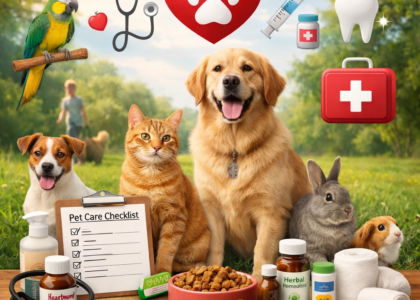
Nutrition for pets is the foundation of a healthy, active, and long life for animals. Just like humans, pets depend on the right balance of nutrients to grow properly, maintain energy, support organ function, and fight disease. Whether you have a dog, cat, bird, rabbit, or fish, proper pet nutrition directly affects physical health, mental well-being, and lifespan.
Many pet owners believe that simply feeding any commercial pet food is enough. In reality, not all pet foods provide complete and balanced nutrition for pets. Low-quality ingredients, improper portion sizes, and nutrient imbalances can slowly harm your pet’s body. Over time, poor nutrition may lead to obesity, digestive problems, dull coats, weak bones, dental disease, allergies, diabetes, and kidney or heart conditions.
According to veterinary research, nutrition-related problems are among the most preventable health issues in pets. Data from the Association for Pet Obesity Prevention shows that more than 50% of dogs and cats worldwide are overweight or obese, largely due to overfeeding and poor dietary choices. This makes nutrition for pets a critical responsibility for every pet owner.
Why Nutrition for Pets Is So Important
Proper nutrition for pets supports every system in the body. Food is not just fuel—it is information that tells the body how to function, grow, repair, and protect itself.
benefits of proper nutrition for pets include:
- Stronger immune system, helping pets fight infections
- Healthy skin and shiny coat, indicating good internal health
- Improved digestion and nutrient absorption
- Balanced energy levels and better behavior
- Healthy weight management, reducing strain on joints
- Longer lifespan and improved quality of life
On the other hand, poor nutrition for pets can cause:
- Frequent illness and infections
- Obesity or unhealthy weight loss
- Joint pain and mobility problems
- Food allergies and chronic itching
- Delayed growth in puppies and kittens
- Reduced lifespan
“Nutrition is the most powerful tool pet owners have to improve their animal’s health and longevity.”
— Veterinary Nutrition Experts
Nutrition for Pets vs Human Nutrition
One of the biggest mistakes pet owners make is feeding pets like humans. Pets are not small humans, and their nutritional needs are very different. Foods that are safe for people may be harmful—or even deadly—for animals.
Key Differences Between Human Nutrition and Nutrition for Pets
| Factor | Humans | Pets |
|---|---|---|
| Protein needs | Moderate | Often higher, especially in dogs and cats |
| Digestive system | Flexible | Species-specific |
| Essential nutrients | Many substitutes | Some nutrients are mandatory |
| Spices & seasoning | Tolerated | Can cause toxicity |
| Food variety | Wide | Must be controlled |
For example:
- Cats are obligate carnivores, meaning animal-based protein is essential for survival.
- Dogs are omnivores, but still require high-quality protein as the core of their diet.
- Herbivorous pets like rabbits and guinea pigs need high fiber to maintain gut health.
Common Human Foods That Harm Nutrition for Pets
Many everyday foods can disrupt proper nutrition for pets or cause serious health issues.
| Food | Safe for Pets? | Health Risk |
|---|---|---|
| Chocolate | No | Toxic to heart and nervous system |
| Grapes & raisins | No | Can cause kidney failure |
| Onions & garlic | No | Damage red blood cells |
| Xylitol (sweetener) | No | Can cause liver failure |
| Plain cooked meat | Yes (moderation) | Good protein source |
| Plain rice | Yes | Supports digestion |
The Role of Nutrition for Pets in Preventive Care
Veterinarians agree that good nutrition for pets is a form of preventive medicine. A nutritionally balanced diet can reduce the risk of chronic disease, lower veterinary expenses, and help pets age gracefully.
Preventive benefits of proper pet nutrition include:
- Fewer vet visits
- Reduced need for long-term medication
- Better joint health in senior pets
- Improved mental alertness and mood
In simple words, nutrition for pets is not just about feeding—it is about nourishing the body, protecting health, and extending life.
What Is Nutrition for Pets?
Nutrition for pets refers to providing animals with a balanced, species-appropriate diet that supplies all the essential nutrients their bodies need to function properly. This includes the right amounts of proteins, fats, carbohydrates, vitamins, minerals, and water, tailored to a pet’s species, age, size, activity level, and health condition.
Unlike humans, pets cannot choose their food. Every nutritional decision is made by the owner, which means understanding pet nutrition is a responsibility, not a preference. Feeding the wrong type of food—or even the right food in the wrong quantity—can slowly damage a pet’s health without obvious early symptoms.
Understanding the Basics of Nutrition for Pets
At its core, nutrition for pets is about balance and quality, not just calories. A pet may eat enough food but still be malnourished if the diet lacks essential nutrients.
A complete and balanced pet diet must:
- Provide energy for daily activities
- Support growth and tissue repair
- Maintain organ function and immunity
- Promote healthy skin, coat, bones, and teeth
Pet nutrition is guided by standards set by veterinary nutrition organizations, such as AAFCO (Association of American Feed Control Officials), which define minimum nutrient requirements for dogs and cats.
Fact: A pet food labeled “complete and balanced” meets minimum nutritional standards—but quality can still vary widely between brands.
Key Components of Proper Nutrition for Pets
1. Proteins in Nutrition for Pets
Protein is the most critical nutrient for pets, especially dogs and cats. It supports:
- Muscle development
- Tissue repair
- Immune system strength
- Hormone and enzyme production
High-quality protein sources include:
- Chicken
- Fish
- Beef
- Eggs
- Lamb
Cats, in particular, require animal-based protein and specific amino acids such as taurine, which cannot be replaced by plant sources.
2. Fats in Nutrition for Pets
Fats are a concentrated source of energy and play a major role in:
- Skin and coat health
- Brain development
- Absorption of fat-soluble vitamins (A, D, E, K)
Healthy fats for pets include:
- Fish oil (omega-3 fatty acids)
- Chicken fat
- Flaxseed oil (limited use)
A lack of dietary fat can lead to dry skin, hair loss, and low energy, while excess fat may cause obesity.
3. Carbohydrates in Nutrition for Pets
Carbohydrates provide energy and support digestive health. While not essential for all pets, they can be beneficial when used correctly.
Common carbohydrate sources include:
- Rice
- Oats
- Sweet potatoes
- Barley
Dogs can digest carbohydrates fairly well, while cats require very limited amounts. Poor-quality carbs and fillers can contribute to weight gain and digestive problems.
4. Vitamins and Minerals in Nutrition for Pets
Micronutrients may be needed in small amounts, but they have a big impact.
Essential vitamins support:
- Vision
- Bone health
- Immune response
- Metabolism
Key minerals include:
- Calcium (bones and teeth)
- Phosphorus (energy metabolism)
- Zinc (skin and immune health)
- Iron (oxygen transport)
Deficiencies or excesses can both be harmful, which is why balanced formulation is crucial.
5. Water: The Most Overlooked Part of Nutrition for Pets
Water is often ignored, yet it is the most essential nutrient.
Water supports:
- Digestion
- Temperature regulation
- Nutrient transport
- Kidney and urinary health
Dehydration can occur quickly, especially in pets eating only dry food. Clean, fresh water should always be available.
Why Nutrition for Pets Is Species-Specific
A major principle of nutrition for pets is that one diet does not fit all animals.
| Pet Type | Nutritional Focus |
|---|---|
| Dogs | Balanced omnivorous diet |
| Cats | High-protein, animal-based diet |
| Rabbits | High fiber, hay-based diet |
| Birds | Pellets + fresh foods |
| Fish | Species-specific formulated feeds |
Feeding a cat like a dog or a rabbit like a guinea pig can result in serious nutritional deficiencies.
Signs of Proper vs Poor Nutrition for Pets
Signs of good nutrition for pets:
- Shiny coat and clear eyes
- Healthy weight
- Consistent energy levels
- Normal digestion
- Strong teeth and gums
Signs of poor nutrition for pets:
- Dull coat or hair loss
- Frequent vomiting or diarrhea
- Lethargy
- Obesity or extreme thinness
- Skin irritation and itching
Case Insight: Nutrition Makes a Measurable Difference
A veterinary study observed overweight dogs switched from low-quality diets to balanced, portion-controlled nutrition plans. Within 6 months:
- Average weight loss: 15–20%
- Improved joint mobility
- Reduced inflammation markers
- Increased activity levels
This shows how proper nutrition for pets can reverse health issues without medication.
Essential Nutrients in Nutrition for Pets
To truly understand nutrition for pets, it is important to know the essential nutrients that keep animals healthy, active, and disease-free. Every pet, regardless of species, needs a combination of macronutrients and micronutrients in the correct proportions. Too little or too much of any nutrient can negatively affect health.
Veterinary nutrition experts agree that balanced nutrition is more important than feeding large quantities of food. A pet can eat a lot and still suffer from malnutrition if the diet lacks critical nutrients.
Macronutrients in Nutrition for Pets
Macronutrients are nutrients required in larger amounts. They provide energy and support major body functions.
Protein: The Foundation of Nutrition for Pets
Protein is the most important nutrient in pet diets, especially for dogs and cats. It plays a vital role in:
- Building and repairing muscles
- Supporting immune function
- Producing enzymes and hormones
- Maintaining healthy skin and coat
High-quality protein sources for pets include:
- Chicken
- Turkey
- Fish
- Beef
- Eggs
- Lamb
Fact: Cats require significantly more protein than dogs and must receive it from animal sources.
Protein deficiency in pets may cause:
- Muscle loss
- Weak immunity
- Slow growth in puppies and kittens
- Dull coat and skin problems
Fats: Energy and Skin Health in Nutrition for Pets
Fats are a concentrated source of energy and are essential for:
- Brain development
- Absorption of fat-soluble vitamins (A, D, E, K)
- Maintaining healthy skin and fur
- Supporting reproductive health
Important fats in pet nutrition:
- Omega-3 fatty acids (reduce inflammation)
- Omega-6 fatty acids (support skin health)
Common fat sources include:
- Fish oil
- Chicken fat
- Beef fat
- Flaxseed oil (limited use)
Both fat deficiency and excess can cause problems. Low fat intake may lead to dry skin and poor coat quality, while excess fat increases the risk of obesity and pancreatitis.
Carbohydrates in Nutrition for Pets
Carbohydrates provide energy and fiber, supporting digestive health. While dogs can digest carbohydrates well, cats require minimal amounts.
Healthy carbohydrate sources include:
- Rice
- Oats
- Sweet potatoes
- Barley
Poor-quality carbohydrates and fillers may cause:
- Weight gain
- Blood sugar spikes
- Digestive upset
Micronutrients in Nutrition for Pets
Micronutrients are required in smaller amounts but are equally critical for health.
Vitamins Essential for Nutrition for Pets
Vitamins support numerous body functions, including metabolism, immunity, and vision.
| Vitamin | Role in Pet Health |
|---|---|
| Vitamin A | Vision and immune function |
| Vitamin D | Bone and calcium balance |
| Vitamin E | Antioxidant protection |
| Vitamin K | Blood clotting |
| B-complex | Energy metabolism |
Deficiencies may cause fatigue, weak immunity, and developmental issues, while excessive supplementation can be toxic.
Minerals in Nutrition for Pets
Minerals support structural and metabolic functions.
| Mineral | Function |
|---|---|
| Calcium | Bone and teeth strength |
| Phosphorus | Energy metabolism |
| Zinc | Skin and immune health |
| Iron | Oxygen transport in blood |
| Magnesium | Muscle and nerve function |
Balanced calcium-to-phosphorus ratios are especially important for growing puppies and kittens.
Water: The Most Critical Nutrient in Nutrition for Pets
Water is often overlooked but is essential for survival.
Water supports:
- Digestion and nutrient absorption
- Temperature regulation
- Kidney and urinary health
- Waste removal
Pets fed dry food require higher water intake. Dehydration can lead to kidney disease, urinary crystals, and constipation.
Fact: A pet can survive weeks without food but only days without water.
Nutrient Balance Matters More Than Quantity
More nutrients do not mean better health. Excess supplementation can be as dangerous as deficiency.
Common mistakes in pet nutrition include:
- Over-supplementing vitamins
- Feeding unbalanced homemade diets
- Relying on treats for calories
Veterinary nutritionists emphasize that balance and consistency are the cornerstones of proper nutrition for pets.
Quick Nutrient Checklist for Balanced Nutrition for Pets
| Nutrient | Why It Matters |
|---|---|
| Protein | Muscle, immunity |
| Fat | Energy, coat health |
| Carbohydrates | Energy, digestion |
| Vitamins | Metabolism, immunity |
| Minerals | Bones, organ function |
| Water | Hydration, survival |
Essential Nutrients in Nutrition for Pets
To truly understand nutrition for pets, it is important to know the essential nutrients that keep animals healthy, active, and disease-free. Every pet, regardless of species, needs a combination of macronutrients and micronutrients in the correct proportions. Too little or too much of any nutrient can negatively affect health.
Veterinary nutrition experts agree that balanced nutrition is more important than feeding large quantities of food. A pet can eat a lot and still suffer from malnutrition if the diet lacks critical nutrients.
Macronutrients in Nutrition for Pets
Macronutrients are nutrients required in larger amounts. They provide energy and support major body functions.
Protein: The Foundation of Nutrition for Pets
Protein is the most important nutrient in pet diets, especially for dogs and cats. It plays a vital role in:
- Building and repairing muscles
- Supporting immune function
- Producing enzymes and hormones
- Maintaining healthy skin and coat
High-quality protein sources for pets include:
- Chicken
- Turkey
- Fish
- Beef
- Eggs
- Lamb
Fact: Cats require significantly more protein than dogs and must receive it from animal sources.
Protein deficiency in pets may cause:
- Muscle loss
- Weak immunity
- Slow growth in puppies and kittens
- Dull coat and skin problems
Fats: Energy and Skin Health in Nutrition for Pets
Fats are a concentrated source of energy and are essential for:
- Brain development
- Absorption of fat-soluble vitamins (A, D, E, K)
- Maintaining healthy skin and fur
- Supporting reproductive health
Important fats in pet nutrition:
- Omega-3 fatty acids (reduce inflammation)
- Omega-6 fatty acids (support skin health)
Common fat sources include:
- Fish oil
- Chicken fat
- Beef fat
- Flaxseed oil (limited use)
Both fat deficiency and excess can cause problems. Low fat intake may lead to dry skin and poor coat quality, while excess fat increases the risk of obesity and pancreatitis.
Carbohydrates in Nutrition for Pets
Carbohydrates provide energy and fiber, supporting digestive health. While dogs can digest carbohydrates well, cats require minimal amounts.
Healthy carbohydrate sources include:
- Rice
- Oats
- Sweet potatoes
- Barley
Poor-quality carbohydrates and fillers may cause:
- Weight gain
- Blood sugar spikes
- Digestive upset
Micronutrients in Nutrition for Pets
Micronutrients are required in smaller amounts but are equally critical for health.
Vitamins Essential for Nutrition for Pets
Vitamins support numerous body functions, including metabolism, immunity, and vision.
| Vitamin | Role in Pet Health |
|---|---|
| Vitamin A | Vision and immune function |
| Vitamin D | Bone and calcium balance |
| Vitamin E | Antioxidant protection |
| Vitamin K | Blood clotting |
| B-complex | Energy metabolism |
Deficiencies may cause fatigue, weak immunity, and developmental issues, while excessive supplementation can be toxic.
Minerals in Nutrition for Pets
Minerals support structural and metabolic functions.
| Mineral | Function |
|---|---|
| Calcium | Bone and teeth strength |
| Phosphorus | Energy metabolism |
| Zinc | Skin and immune health |
| Iron | Oxygen transport in blood |
| Magnesium | Muscle and nerve function |
Balanced calcium-to-phosphorus ratios are especially important for growing puppies and kittens.
Water: The Most Critical Nutrient in Nutrition for Pets
Water is often overlooked but is essential for survival.
Water supports:
- Digestion and nutrient absorption
- Temperature regulation
- Kidney and urinary health
- Waste removal
Pets fed dry food require higher water intake. Dehydration can lead to kidney disease, urinary crystals, and constipation.
Fact: A pet can survive weeks without food but only days without water.
Nutrient Balance Matters More Than Quantity
More nutrients do not mean better health. Excess supplementation can be as dangerous as deficiency.
Common mistakes in pet nutrition include:
- Over-supplementing vitamins
- Feeding unbalanced homemade diets
- Relying on treats for calories
Veterinary nutritionists emphasize that balance and consistency are the cornerstones of proper nutrition for pets.
Quick Nutrient Checklist for Balanced Nutrition for Pets
| Nutrient | Why It Matters |
|---|---|
| Protein | Muscle, immunity |
| Fat | Energy, coat health |
| Carbohydrates | Energy, digestion |
| Vitamins | Metabolism, immunity |
| Minerals | Bones, organ function |
| Water | Hydration, survival |
Nutrition for Pets by Animal Type
One of the most important principles of nutrition for pets is understanding that different animals have very different dietary needs. Feeding the wrong type of food to a specific pet can lead to serious nutritional deficiencies, digestive problems, and long-term health issues. A diet that is healthy for a dog may be dangerous for a cat, and what works for a bird may be harmful to a rabbit.
This section breaks down nutrition for pets by animal type, helping pet owners make informed, species-appropriate feeding decisions.
Nutrition for Dogs
Dogs are omnivores, meaning they can digest both animal- and plant-based foods. However, high-quality animal protein should always be the foundation of nutrition for pets like dogs.
Key Nutritional Needs of Dogs
- High-quality protein for muscle and immunity
- Moderate fat for energy and coat health
- Controlled carbohydrates for digestion
- Vitamins and minerals for overall balance
Best Protein Sources for Dogs
- Chicken
- Turkey
- Beef
- Fish
- Eggs
Foods Dogs Should Never Eat
- Chocolate
- Grapes and raisins
- Onions and garlic
- Xylitol (artificial sweetener)
- Cooked bones
Fact: According to veterinary data, food toxicity is one of the most common emergency cases in dogs.
Nutrition for Cats
Cats have very specific dietary needs and are classified as obligate carnivores. This means animal-based nutrition is not optional—it is essential for survival.
Essential Nutrients in Nutrition for Cats
- High animal protein levels
- Taurine, an essential amino acid
- Vitamin A from animal sources
- Arachidonic acid (essential fat)
Wet Food vs Dry Food for Cats
| Type | Benefits | Drawbacks |
|---|---|---|
| Wet food | High moisture, supports kidney health | Short shelf life |
| Dry food | Convenient, dental support | Low moisture |
Veterinary Insight: Cats on wet-food-heavy diets have lower rates of urinary tract disease.
Nutrition for Small Pets (Rabbits, Guinea Pigs, Hamsters)
Small mammals have sensitive digestive systems and require high-fiber diets to stay healthy.
Nutrition for Rabbits
- Unlimited hay (80% of diet)
- Fresh leafy greens
- Limited pellets
- Fresh water
Nutrition for Guinea Pigs
- High fiber
- Daily vitamin C (cannot synthesize it)
- Hay-based diet
Nutrition for Hamsters
- Balanced seed and pellet mix
- Occasional fruits and vegetables
- Avoid sugary foods
Fact: Lack of fiber is the leading cause of digestive stasis in rabbits.
Nutrition for Birds
Bird nutrition has evolved significantly over the years. Seed-only diets are now considered nutritionally inadequate.
Balanced Nutrition for Pet Birds
- Pelleted diets as the base
- Fresh fruits and vegetables
- Limited seeds and nuts
Common Bird Nutrition Mistakes
- Feeding only seeds
- Ignoring vitamin deficiencies
- Lack of fresh food variety
Data: Birds on pellet-based diets live significantly longer than those fed seed-only diets.
Nutrition for Fish
Fish require species-specific diets based on their natural feeding habits.
Types of Fish Diets
- Flakes (surface feeders)
- Pellets (mid-water feeders)
- Sinking wafers (bottom feeders)
Feeding Tips for Fish Nutrition
- Feed small amounts
- Avoid overfeeding
- Remove uneaten food
Fact: Overfeeding is the leading cause of poor water quality and fish disease.
Why Species-Specific Nutrition for Pets Matters
| Pet Type | Primary Diet Focus |
|---|---|
| Dogs | Balanced omnivorous diet |
| Cats | Animal-based protein |
| Rabbits | High fiber (hay) |
| Birds | Pellets + fresh foods |
| Fish | Species-specific feed |
Feeding pets according to their biological needs ensures:
- Better digestion
- Stronger immunity
- Longer lifespan
- Improved behavior
Nutrition for Pets by Life Stage
Nutrition for pets varies greatly depending on their age. Puppies, kittens, adult pets, and seniors all have unique dietary needs that support growth, maintenance, or aging. Feeding the right food at the right life stage is essential for long-term health, weight management, and disease prevention.
Nutrition for Puppies and Kittens
Young pets are in a rapid growth phase, and their bodies require higher energy, protein, and nutrient density to support developing muscles, bones, and organs.
Key Nutritional Needs
- High-quality protein for muscle and tissue growth
- Fat for energy and brain development
- Calcium and phosphorus for strong bones and teeth
- Vitamins and minerals to support immune system development
Feeding Guidelines
- Feed 3–4 small meals per day
- Use formulated puppy or kitten food for balanced nutrients
- Avoid adult pet food—it lacks adequate nutrients for growth
Fact: Nutritional deficiencies in puppies and kittens can cause stunted growth, weak immunity, and developmental delays.
Nutrition for Adult Pets
Adult pets have slower metabolism than young pets, and their diet should focus on maintaining weight, supporting organ function, and preventing disease.
Nutritional Focus
- Balanced protein for muscle maintenance
- Moderate fat to avoid obesity
- Fiber for digestive health
- Vitamins and minerals to support long-term health
Feeding Guidelines
- Feed twice daily (depending on breed and activity level)
- Monitor weight and body condition
- Adjust portions for activity, breed, and metabolism
Case Study: A study of adult dogs showed that controlling caloric intake by 10–15% improved longevity and reduced obesity-related disease.
Nutrition for Senior Pets
Senior pets have age-related challenges, including slower metabolism, joint stiffness, reduced organ function, and decreased activity.
Nutritional Focus
- High-quality, easily digestible protein
- Moderate calories to prevent weight gain
- Joint support through glucosamine and omega-3 fatty acids
- Antioxidants for cognitive health
- Fiber to support digestion
Feeding Guidelines
- Feed smaller, more frequent meals if appetite decreases
- Consider senior-formulated diets
- Monitor weight, mobility, and coat health
Fact: Older cats are prone to kidney disease; feeding wet food and ensuring adequate hydration helps maintain kidney function.
Nutrition for Pets During Pregnancy and Lactation
Pregnant and lactating pets have elevated nutrient requirements to support both mother and offspring.
Key Nutritional Needs
- Increased protein and fat for milk production
- Adequate calcium for bone development in offspring
- Balanced vitamins and minerals to prevent deficiencies
Feeding Guidelines
- Switch to growth or puppy/kitten formula food during pregnancy
- Offer frequent meals during lactation to meet energy needs
- Ensure ample fresh water for hydration
Veterinary Insight: Undernourished mothers may produce weak or underdeveloped offspring, highlighting the importance of proper nutrition for pets during this stage.
Summary of Life Stage Nutritional Needs
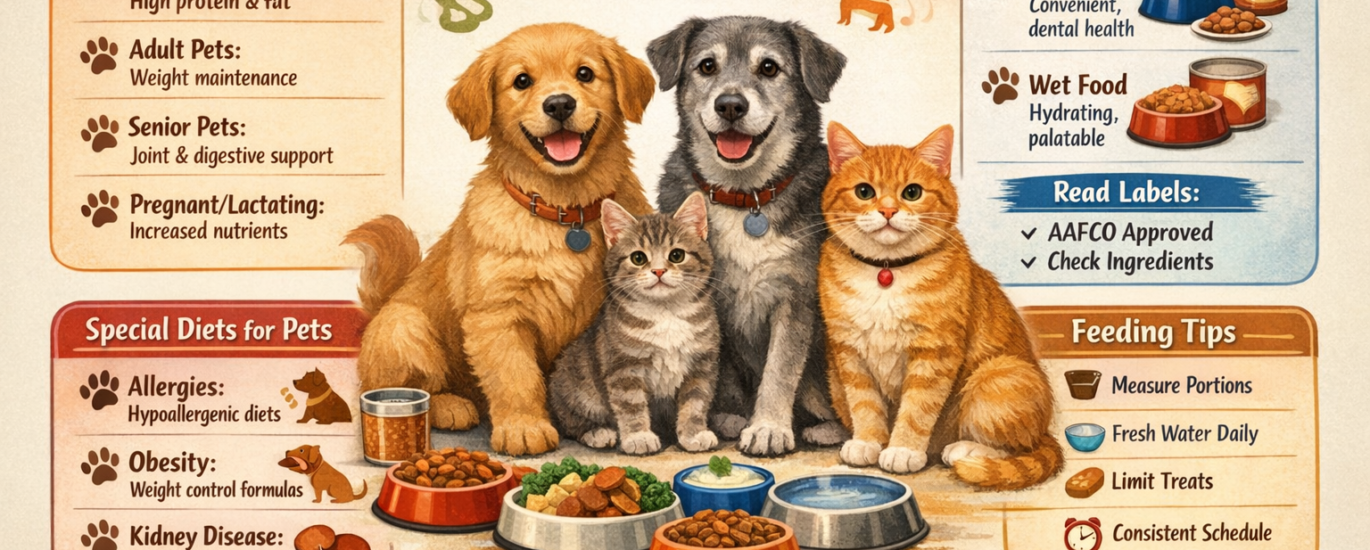
| Life Stage | Key Nutritional Focus | Feeding Tips |
|---|---|---|
| Puppies/Kittens | Growth, high protein & fat | 3–4 small meals/day, growth formula |
| Adult Pets | Maintenance, weight control | 2 meals/day, monitor activity & portions |
| Senior Pets | Digestibility, joint & cognitive support | Smaller, frequent meals, senior diet |
| Pregnant/Lactating | High energy, nutrients | Frequent meals, growth formula, hydration |
Feeding pets according to life stage ensures optimal growth, health, and longevity. Incorrect diets for a life stage can lead to obesity, malnutrition, or organ strain.
Commercial Pet Food and Nutrition for Pets
Commercial pet foods are the most common way pet owners provide nutrition for pets. However, not all commercial pet foods are created equal, and understanding the types, ingredients, and labeling is crucial to ensure your pet gets a complete and balanced diet.
Veterinarians recommend choosing commercial foods that meet AAFCO (Association of American Feed Control Officials) standards. Foods labeled “complete and balanced” meet minimum nutrient requirements for pets but may still differ in quality, digestibility, and ingredient sources.
Understanding Pet Food Labels
Reading pet food labels is key to evaluating nutritional quality.
Important parts of a pet food label:
- Ingredients List – Lists components in descending order by weight. Look for named proteins like “chicken” or “salmon” rather than generic terms like “meat meal.”
- Guaranteed Analysis – Shows minimum percentages of protein and fat and maximum percentages of fiber and moisture.
- AAFCO Statement – Confirms the food meets nutritional standards for a specific life stage.
- Calories (kcal/kg) – Helps determine portion size based on your pet’s weight and activity.
Tip: The first 3 ingredients make up the majority of the food. High-quality protein should appear first.
Dry Food vs Wet Food
Both dry (kibble) and wet (canned) foods have benefits and drawbacks. Choosing the right type depends on your pet’s needs.
| Type | Benefits | Drawbacks |
|---|---|---|
| Dry Food (Kibble) | Convenient, long shelf life, helps dental hygiene | Low moisture, may contribute to dehydration |
| Wet Food (Canned) | High moisture, palatable, better for kidney and urinary health | More expensive, shorter shelf life after opening |
Veterinary Insight: Combining dry and wet food can provide hydration, dental benefits, and nutrient variety.
Grain-Free Diets and Pet Nutrition
Grain-free diets have gained popularity, but recent studies show potential risks, especially in dogs. Some grain-free diets are linked to dilated cardiomyopathy (DCM), a heart condition.
Key points:
- Dogs do not require grain-free diets to be healthy.
- High-quality grains like rice, oats, and barley are digestible and safe.
- Always consult a veterinarian before switching to grain-free food.
Benefits of High-Quality Commercial Pet Food
High-quality commercial foods provide:
- Complete and balanced nutrition per life stage
- High digestibility for better nutrient absorption
- Essential vitamins, minerals, and amino acids
- Specialized formulas for weight control, sensitive stomachs, and joint support
Indicators of quality:
- Named animal proteins as first ingredients
- Limited fillers (avoid by-products or vague meat meals)
- Appropriate fat sources
- Added essential vitamins and minerals
Common Mistakes in Feeding Commercial Pet Food
- Overfeeding – Leads to obesity and metabolic disorders
- Ignoring life stage requirements – Feeding adult food to puppies or kittens can stunt growth
- Assuming all brands are equal – Quality, nutrient density, and digestibility vary greatly
- Ignoring medical conditions – Special diets may be needed for kidney disease, diabetes, or allergies
Case Insight: A study comparing dogs on high-quality versus low-quality commercial diets found that high-quality diets improved coat condition, digestion, and immune response within 8 weeks.
Tips for Choosing the Best Commercial Food
- Check for AAFCO approval
- Read ingredients for quality proteins
- Ensure the diet matches your pet’s life stage
- Avoid excessive fillers and artificial additives
- Consult your veterinarian for breed-specific or health-specific diets
Proper commercial pet food can provide complete nutrition, convenience, and long-term health benefits when chosen carefully. However, it is critical to read labels, monitor portions, and consider life stage and health requirements.
Homemade Diets and Nutrition for Pets
Some pet owners prefer homemade diets to control ingredients, avoid fillers, or accommodate pets with allergies. While homemade meals can be healthy, they must be carefully balanced to provide all essential nutrients. Improper homemade diets can quickly lead to deficiencies or imbalances.
Is Homemade Pet Food Healthy?
Homemade diets can offer:
- Fresh, high-quality ingredients
- Control over protein, fat, and carbohydrate sources
- Tailoring for allergies or medical conditions
- Avoidance of preservatives, artificial colors, and by-products
Key Consideration: Pets require species-specific nutrition, so human foods alone rarely meet all their needs. For example:
- Cats need taurine, an amino acid found only in animal protein
- Rabbits need high fiber from hay for proper digestion
- Dogs can eat some vegetables, but not onions or garlic
Common Mistakes in Homemade Pet Nutrition
- Nutrient Imbalances – Too much protein or calcium can harm bones and kidneys
- Missing Essential Nutrients – Vitamins and minerals may be deficient without supplementation
- Overfeeding Treats – High-fat or sugary snacks can cause obesity
- Lack of Life Stage Adjustments – Puppies, kittens, adults, and seniors have different needs
- Not Consulting Professionals – DIY diets without guidance can compromise pet health
Veterinary Insight: Studies show up to 80% of homemade diets are nutritionally incomplete if not formulated by a veterinary nutritionist.
Working With a Veterinary Nutritionist
A veterinary nutritionist can:
- Formulate a balanced diet for your pet
- Recommend supplements where necessary
- Adjust recipes for medical conditions
- Provide safe portion sizes and feeding schedules
Benefits of professional guidance:
- Reduces risk of nutrient deficiencies
- Ensures long-term health and growth
- Supports pets with special dietary needs
Tips for a Safe Homemade Pet Diet
- Use high-quality animal proteins for dogs and cats
- Include fiber-rich vegetables for digestion
- Avoid toxic human foods (chocolate, grapes, onions, garlic, xylitol)
- Consider supplements for vitamins and minerals if needed
- Monitor weight, coat, energy, and stool consistency to ensure balance
Fact: Homemade diets can be excellent for pets when properly formulated, but careless preparation often causes more harm than good.
Sample Homemade Meal Components
| Pet Type | Protein | Vegetables | Carbs | Supplements |
|---|---|---|---|---|
| Dogs | Chicken, beef | Carrots, peas | Rice, oats | Omega-3, multivitamin |
| Cats | Chicken, fish | Limited veggies | Minimal | Taurine, vitamin E |
| Rabbits | N/A | Leafy greens, hay | N/A | Vitamin C (guinea pigs) |
| Birds | Boiled eggs, cooked lentils | Leafy greens, fruits | Minimal | Calcium, vitamin D |
Homemade diets are work-intensive but can give pet owners full control over what their pets eat, making them an attractive option when done safely.
Special Diets in Nutrition for Pets
Some pets require specialized diets due to allergies, weight issues, or medical conditions. Understanding how to tailor nutrition for pets in these situations is crucial for maintaining their health, preventing complications, and improving quality of life.
Nutrition for Pets With Allergies
Food allergies are relatively common in pets, especially dogs and cats. Symptoms can include itchy skin, ear infections, vomiting, or diarrhea.
Common Allergens
- Beef, chicken, or lamb
- Dairy products
- Wheat, corn, or soy
- Fish
Managing Pet Allergies Through Diet
- Elimination diets: Remove suspected allergens and reintroduce foods gradually
- Hypoallergenic pet foods: Formulated with hydrolyzed proteins that are less likely to trigger reactions
- Novel protein diets: Use uncommon proteins like rabbit or venison
Veterinary Insight: About 10% of dogs and cats suffer from food allergies, making diet adjustments critical for symptom relief.
Nutrition for Overweight Pets
Obesity is a growing problem among pets and can lead to diabetes, joint issues, heart disease, and decreased lifespan. Proper nutrition is the most effective tool for weight management.
Weight-Control Diet Principles
- Reduced calorie intake without sacrificing essential nutrients
- Increased fiber to promote satiety
- Controlled fat levels
- Regular portion control and feeding schedules
Feeding Tips for Overweight Pets
- Measure food accurately instead of free-feeding
- Limit treats and high-calorie snacks
- Increase physical activity alongside dietary changes
Fact: Even a 10–15% weight reduction in obese pets significantly improves mobility and reduces disease risk.
Nutrition for Pets With Medical Conditions
Pets with certain health conditions require therapeutic diets to support treatment and recovery.
Kidney Disease
- Low-protein, low-phosphorus diets to reduce kidney workload
- Increased hydration through wet food or water supplementation
Diabetes
- High-fiber, low-carbohydrate diets to stabilize blood sugar
- Consistent feeding schedule to manage insulin levels
Digestive Disorders
- Easily digestible ingredients
- Limited fat and high-quality protein
- Probiotics to support gut health
Veterinary Case Study: Cats with chronic kidney disease fed a renal diet showed slower progression of kidney damage and improved quality of life compared to standard diets.
Key Takeaways for Special Diets
| Condition | Dietary Focus | Example Adjustments |
|---|---|---|
| Allergies | Avoid allergens | Hydrolyzed protein diet |
| Obesity | Reduced calories | High-fiber, low-fat food |
| Kidney Disease | Low protein/phosphorus | Wet food + hydration |
| Diabetes | Blood sugar control | High fiber, consistent meals |
| Digestive Issues | Easily digestible | Limited ingredients, probiotics |
Special diets require careful planning and veterinary guidance. Feeding the wrong diet can worsen symptoms or create new health problems, making professional input essential.
How Much and How Often to Feed Pets
Proper feeding is a crucial part of nutrition for pets. Even the highest-quality food can lead to health problems if portion sizes or feeding schedules are incorrect. Overfeeding, underfeeding, or irregular meal times can cause obesity, digestive issues, or nutrient deficiencies.
Portion Sizes in Nutrition for Pets
Portion sizes depend on species, breed, age, activity level, and health status. Pet food labels provide general guidelines, but adjustments are often needed.
Guidelines for portion control:
- Puppies and kittens: Require more calories per pound than adults due to rapid growth
- Adult dogs and cats: Feed based on weight maintenance, activity, and metabolism
- Senior pets: Often need fewer calories due to decreased activity
- Active or working pets: Require more calories and protein to sustain energy
Tip: Measure food using a standard cup or scale. Avoid estimating, as small differences can add up over time.
Feeding Schedules for Pets
The timing and frequency of meals play an important role in digestion and metabolism.
Recommended schedules:
- Puppies/Kittens: 3–4 meals per day
- Adult Dogs/Cats: 2 meals per day (morning and evening)
- Senior Pets: 2–3 smaller meals per day if appetite is low
- Special Needs Pets: Follow veterinary recommendations for therapeutic diets
Free-feeding vs Scheduled Meals
- Free-feeding: Food is always available. Can lead to overeating and obesity
- Scheduled meals: Controlled portions at set times. Encourages healthy digestion and weight management
Treats and Snacks Management
Treats can be included in a pet’s diet, but moderation is key.
- Limit treats to 10% or less of daily caloric intake
- Choose healthy, low-calorie options
- Avoid human foods that are toxic or high in sugar/fat
- Use treats for training or enrichment, not as main meals
Veterinary Insight: Overfeeding treats is one of the leading causes of obesity in pets.
Monitoring Nutrition Through Body Condition
Regular monitoring of body condition and weight is essential to ensure optimal nutrition.
Indicators of proper feeding:
- Visible waistline in dogs and cats
- Ribs palpable but not protruding
- Healthy energy levels and coat quality
Signs of overfeeding or underfeeding:
- Sudden weight gain or loss
- Lethargy or hyperactivity
- Dull coat or skin problems
- Digestive issues
Feeding Tips for Long-Term Nutrition
- Use portion-controlled feeding bowls or scoops
- Adjust portions seasonally or with activity levels
- Mix wet and dry food for hydration and variety
- Keep a feeding log for pets with special dietary needs
- Consult a veterinarian for guidance on caloric needs
Fact: Even a 10% excess in daily calories can cause gradual weight gain in pets over time, emphasizing the importance of correct portioning.
Supplements and Nutrition for Pets
While a well-balanced diet should provide all the essential nutrients, supplements can sometimes enhance nutrition for pets, especially for pets with specific health needs, life stages, or medical conditions. However, not all pets need supplements, and improper use can lead to toxicity or imbalances.
When Supplements Are Necessary
Supplements may be helpful in the following situations:
- Joint Support – Older dogs or large breeds may benefit from glucosamine, chondroitin, or omega-3 fatty acids to support joint health.
- Skin and Coat Health – Omega-3 and omega-6 fatty acids can improve coat shine and reduce inflammation in pets with dry skin or allergies.
- Digestive Health – Probiotics can promote healthy gut flora, especially after antibiotics or gastrointestinal issues.
- Life Stage Needs – Puppies, kittens, and senior pets may need specific vitamin and mineral supplementation.
- Medical Conditions – Certain therapeutic diets may require additional supplements for kidney disease, heart disease, or immune support.
Veterinary Insight: Always consult a veterinarian before adding supplements. Excess supplementation can be as harmful as deficiencies.
Common Supplements for Pets
| Supplement | Benefits | Caution |
|---|---|---|
| Glucosamine & Chondroitin | Joint support, arthritis prevention | Avoid excessive dosages; may cause digestive upset |
| Omega-3 Fatty Acids | Skin, coat, anti-inflammatory effects | High doses can affect clotting |
| Probiotics | Gut health, immune support | Must use pet-specific strains |
| Multivitamins | Fill nutritional gaps | Avoid over-supplementing fat-soluble vitamins (A, D, E, K) |
| Taurine (for cats) | Heart and eye health | Only necessary if diet is deficient |
Do All Pets Need Supplements?
- No. Pets eating a complete and balanced commercial diet usually receive all essential nutrients.
- Supplements are generally recommended for medical conditions, life stage adjustments, or dietary gaps.
- Homemade diets often require supplementation to meet vitamin, mineral, and amino acid needs.
Fact: Research shows that unnecessary supplementation, especially fat-soluble vitamins, can cause organ damage in pets.
Tips for Safe Supplementation
- Consult a veterinarian before starting any supplement
- Use only products formulated for pets; human supplements can be dangerous
- Follow dosage instructions carefully
- Monitor your pet for side effects such as vomiting, diarrhea, or lethargy
- Avoid multiple overlapping supplements that may result in nutrient excess
Key Takeaways on Supplements and Nutrition for Pets
- Supplements can enhance pet nutrition when used correctly
- They are not a replacement for a balanced diet
- Misuse can lead to toxicity or imbalances
- Always tailor supplements to species, life stage, and health condition
Proper supplementation ensures that pets receive optimal nutrition for health, longevity, and quality of life when regular diets cannot meet all needs.
Common Nutrition Mistakes in Pets
Even well-intentioned pet owners can make mistakes that compromise nutrition for pets. These mistakes can lead to obesity, digestive issues, allergies, nutrient deficiencies, and even chronic diseases. Recognizing and correcting these errors is essential for long-term pet health.
1. Overfeeding and Obesity
Overfeeding is the most common nutritional mistake in pets.
- Providing too many calories, treats, or table scraps
- Free-feeding without monitoring portions
- Using food as the primary form of attention or reward
Consequences:
- Obesity, which increases the risk of diabetes, joint problems, and heart disease
- Reduced lifespan and mobility
- Higher veterinary costs
Studies show that more than 50% of dogs and cats are overweight, largely due to overfeeding.
2. Feeding Inappropriate Human Foods
Many human foods are toxic or harmful to pets.
Dangerous foods include:
- Chocolate, grapes, and raisins
- Onions, garlic, and chives
- Xylitol (sweetener)
- Alcohol, caffeine, or high-salt foods
Consequences:
- Vomiting, diarrhea, and dehydration
- Organ damage (liver, kidney, heart)
- Severe toxicity or death
Tip: Always research before offering a new food and consult your veterinarian.
3. Ignoring Life Stage Nutritional Needs
Pets’ dietary requirements change throughout their lives.
- Feeding adult food to puppies or kittens can stunt growth
- Senior pets require fewer calories and joint support
- Pregnant or lactating pets need higher protein and energy intake
Consequences: Growth issues, obesity, malnutrition, or organ strain.
4. Relying on Low-Quality Pet Foods
Not all commercial pet foods are equal.
Red flags:
- Generic “meat by-products” instead of named protein sources
- Excess fillers such as corn, wheat, or soy
- Artificial preservatives, colors, and flavors
Consequences: Poor nutrient absorption, allergies, digestive upset, and dull coat.
5. Unbalanced Homemade Diets
While homemade diets can be healthy, improperly formulated meals often cause deficiencies.
- Lack of essential amino acids (e.g., taurine for cats)
- Incorrect calcium-to-phosphorus ratio in puppies and kittens
- Missing vitamins or trace minerals
Consequences: Weak bones, immune dysfunction, poor growth, and long-term organ damage.
6. Ignoring Water Intake
Water is the most essential nutrient for pets, but often overlooked.
- Feeding only dry food without providing fresh water
- Allowing water bowls to go empty
Consequences: Dehydration, urinary tract disease, constipation, and kidney problems.
7. Over-Supplementation
While supplements can help, excess supplementation can be harmful.
- Giving multiple vitamins simultaneously
- Using human supplements not formulated for pets
- High doses of fat-soluble vitamins (A, D, E, K)
Consequences: Organ toxicity, gastrointestinal issues, or nutrient imbalance.
Preventing Nutrition Mistakes in Pets
Best practices to avoid common errors:
- Feed species-specific, life-stage appropriate diets
- Measure portions and avoid overfeeding
- Avoid toxic human foods
- Use high-quality commercial or well-formulated homemade diets
- Monitor water intake
- Consult a veterinarian before using supplements
Veterinary Insight: Correcting these mistakes early can prevent chronic diseases and significantly improve the longevity and quality of life for pets.
Tips for Maintaining Optimal Nutrition for Pets
Maintaining proper nutrition for pets requires consistency, attention to detail, and awareness of your pet’s changing needs. Implementing simple strategies can prevent common nutritional mistakes, improve health, and ensure your pet thrives throughout its life.
1. Feed a Balanced, Species-Specific Diet
- Always choose food formulated for your pet’s species and life stage
- Ensure the diet is complete and balanced, meeting protein, fat, carbohydrate, vitamin, and mineral needs
- Rotate protein sources if appropriate to prevent allergies and boredom
Cats need animal-based protein; rabbits need high-fiber hay. One diet does not fit all pets.
2. Control Portions and Monitor Weight
- Measure food accurately using cups or a kitchen scale
- Follow feeding guidelines on pet food labels, adjusting for activity and metabolism
- Weigh pets regularly to detect gradual weight changes
Signs of proper weight:
- Visible waistline
- Ribs palpable but not protruding
- Steady energy and healthy coat
3. Maintain a Consistent Feeding Schedule
- Puppies and kittens: 3–4 meals per day
- Adult dogs and cats: 2 meals per day
- Senior pets: smaller, frequent meals if appetite is reduced
- Avoid free-feeding for pets prone to overeating
Veterinary Insight: Scheduled meals improve digestion, portion control, and prevent obesity.
4. Include Variety and Enrichment
- Rotate protein sources to prevent nutrient deficiencies and allergies
- Add small amounts of safe vegetables or fruits for enrichment
- Use puzzle feeders or treat-dispensing toys to stimulate mental and physical activity
Benefits:
- Improved digestion and nutrient absorption
- Reduced boredom and behavioral problems
- Encourages slow, mindful eating
5. Provide Fresh Water at All Times
- Keep multiple water sources available, especially for multi-pet households
- Clean bowls daily to prevent bacteria
- Increase water intake for pets eating primarily dry food
Dehydration is a leading cause of kidney and urinary issues in cats and dogs.
6. Avoid Human Food and Toxic Ingredients
- Never feed chocolate, grapes, raisins, onions, garlic, alcohol, or xylitol
- Avoid high-fat or high-sugar snacks
- Use treats sparingly and as part of total daily caloric intake
7. Monitor Health and Adjust Diets
- Regular veterinary check-ups to evaluate weight, coat, energy, and digestive health
- Adjust portion sizes and nutrient composition as pets age or develop health issues
- Consider supplements only under veterinary guidance
Monitoring is the key to proactive pet nutrition; subtle changes in coat, energy, or digestion often indicate dietary adjustments are needed.
8. Consider Professional Guidance
- Veterinary nutritionists can formulate custom diets for pets with allergies, chronic illnesses, or special needs
- They can also advise on homemade diet formulation, supplements, and feeding strategies
Summary of Daily Nutrition Practices for Pets
| Practice | Purpose |
|---|---|
| Balanced, species-specific diet | Ensures complete nutrition |
| Measured portions | Maintains healthy weight |
| Consistent feeding schedule | Supports digestion and metabolism |
| Fresh water | Prevents dehydration and kidney issues |
| Safe treats | Prevents obesity and toxicity |
| Regular monitoring | Detects early nutrition-related issues |
| Professional guidance | Ensures optimal nutrition for special needs |
By following these tips, pet owners can ensure that nutrition for pets supports growth, health, and longevity, helping their pets lead happy, active, and disease-free lives.
Conclusion and Key Takeaways
Proper nutrition for pets is the foundation of a healthy, long, and happy life. From choosing the right diet to monitoring portions and adjusting for life stages or medical conditions, every decision a pet owner makes affects the pet’s overall well-being. Understanding the fundamentals of nutrition and avoiding common mistakes ensures pets thrive physically, mentally, and emotionally.
Key Takeaways on Nutrition for Pets
- Balanced Diet Is Crucial
Feeding pets a complete and balanced diet—whether commercial or well-formulated homemade—is essential for growth, energy, and disease prevention. - Species and Life Stage Matter
Dogs, cats, rabbits, birds, and fish all have unique nutritional requirements. Puppies, kittens, adults, and senior pets require diets tailored to their life stage. - Protein, Fats, Carbs, Vitamins, Minerals, and Water Are Essential
Macronutrients and micronutrients must be balanced. Water is often overlooked but is the most critical nutrient. - Portion Control and Feeding Schedules Prevent Health Issues
Overfeeding is a leading cause of obesity. Scheduled meals and controlled portions help maintain healthy weight and digestion. - Supplements Are Not Always Necessary
Most pets receive adequate nutrients from a complete diet. Supplements are only needed for specific health conditions, life stages, or dietary gaps. - Avoid Common Nutrition Mistakes
Overfeeding, feeding human foods, ignoring life stage needs, low-quality diets, and dehydration are major causes of preventable health problems. - Regular Monitoring and Veterinary Guidance Are Key
Regular check-ups, monitoring weight, coat, and energy levels, and consulting veterinarians or nutritionists help prevent and correct nutritional issues.
Final Thoughts
Proper nutrition for pets is not just about feeding—it is about nourishing, protecting, and enhancing life. By providing the right balance of nutrients, controlling portions, and monitoring health, pet owners can prevent diseases, support longevity, and improve the quality of life for their furry, feathered, or scaled companions.
Remember: Every pet is unique. What works for one may not work for another. Tailor nutrition to the species, life stage, health status, and activity level of your pet, and always prioritize their well-being above convenience or habit.
Investing in proper nutrition today pays dividends in the form of happier, healthier pets for years to come.