
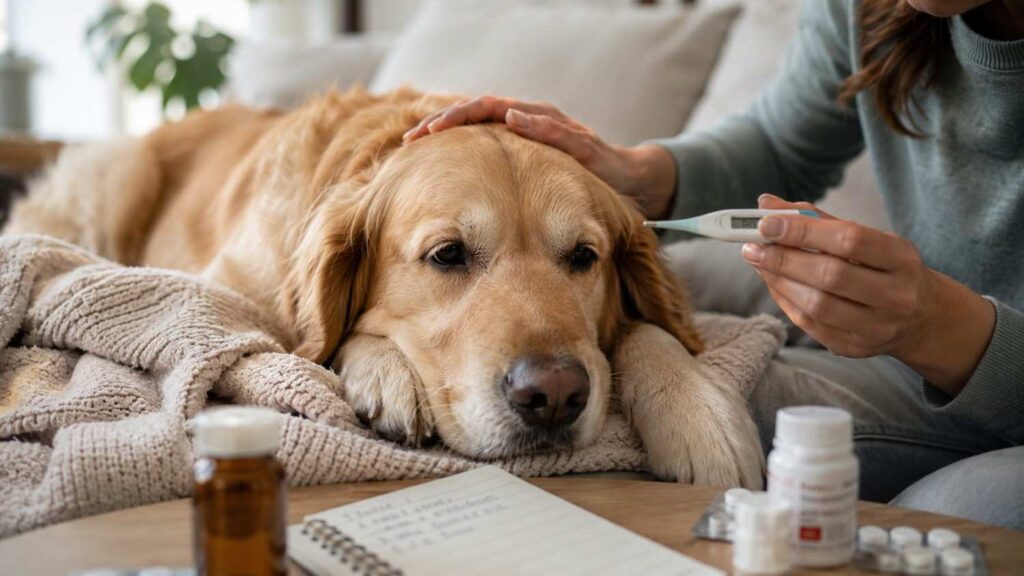
How to Identify Signs of Illness in Pets
Learning how to identify signs of illness in pets begins with understanding that animals rarely display symptoms in exactly the same way people do. A dog cannot explain that swallowing hurts, and a cat cannot describe nausea, dizziness, or urinary discomfort. Instead, pets communicate through changes in behaviour, posture, movement, breathing, appetite, grooming, sleeping patterns, and toileting habits.
The earliest sign is often not a dramatic symptom but a small change from the animal’s usual routine. A friendly dog may stop greeting family members. A cat that normally sleeps on a high shelf may begin resting on the floor. A pet may eat more slowly, drink more water, hesitate before climbing stairs, or start hiding in an unfamiliar location. AAHA identifies persistent lethargy, appetite changes, unusual thirst, mobility changes, vomiting, diarrhoea, and personality changes as health signs that should not be ignored.
Recognising these changes requires familiarity with the individual animal. A quiet senior dog has a different baseline from an energetic puppy, while a shy cat may naturally spend more time alone than a highly social cat. The relevant question is not whether the behaviour seems unusual for pets generally, but whether it is unusual for that particular pet.
This guide focuses mainly on dogs and cats because their symptoms and emergency risks are commonly searched by pet owners. Birds, rabbits, reptiles, rodents, and other companion animals may show illness in different ways and can deteriorate rapidly. Owners of these species should seek advice from a veterinarian with relevant experience rather than relying solely on dog-and-cat guidance.
Establish Your Pet’s Normal Health Baseline
A health baseline is a practical record of how your pet looks and behaves when well. It includes normal energy, personality, appetite, water consumption, urination, bowel movements, breathing, movement, sleep, grooming, and interaction with people or other animals. Knowing this pattern makes subtle illness easier to identify because you can compare new changes with something familiar rather than relying on a general symptom list.
Owners do not need advanced equipment to establish a useful baseline. Daily observation during feeding, walks, play, grooming, and litter-tray cleaning is usually enough. Notice how quickly meals are eaten, how often water is replaced, whether the pet rises comfortably, and where the animal normally rests. For cats, observe the approximate size and frequency of urine clumps. For dogs, pay attention to their usual pace, stamina, toileting schedule, and interest in surroundings.
A written record can be particularly valuable for senior pets or animals with chronic disease. Weight, appetite, medication, mobility, coughing episodes, vomiting, and unusual behaviours may be recorded in a notebook or phone. The purpose is not to monitor the pet anxiously every hour. It is to notice meaningful trends that might otherwise be dismissed as ageing or mood.
Routine veterinary examinations add professional information to this baseline. AAHA recommends veterinary care at least annually, with more frequent assessment when age, species, health conditions, or individual risk justify it. Regular examinations and screening tests can reveal changes that are not obvious at home.
Monitor behaviour, energy, and social interaction
Changes in pet behaviour can be among the earliest signs of illness or pain. A normally playful dog may stop bringing toys, become reluctant to walk, or sleep through activities that previously caused excitement. A sociable cat may hide, avoid touch, stop sleeping near family members, or become unusually vocal. Other pets may react in the opposite way by becoming clingy, restless, irritable, or unable to settle.
Behavioural changes should be interpreted in context. A pet may be temporarily tired after travel, strenuous activity, visitors, or a disrupted routine. Concern increases when the change has no obvious explanation, persists, worsens, or appears alongside appetite loss, vomiting, limping, coughing, or altered toileting.
Pain can cause withdrawal, aggression, restlessness, unusual vocalisation, altered posture, or reluctance to move. AAHA advises owners not to assume that sudden personality changes are simply behavioural problems because pain and illness may be responsible. Punishing the animal can increase distress and delay medical assessment.
Compare behaviour with the pet’s established personality. A quiet animal does not need to become energetic to be healthy, but a marked departure from its normal level of engagement deserves attention. Record when the change began and contact a veterinarian if it persists or is accompanied by other concerning signs.
Know normal eating, drinking, and toileting habits
Eating, drinking, and elimination patterns provide valuable information about internal health. Observe how much food your pet normally consumes, how quickly meals are finished, and whether chewing or swallowing appears comfortable. Note how often the water bowl needs refilling and whether the pet suddenly seeks water from taps, toilets, or unusual locations.
A reduced appetite can occur with dental pain, nausea, fever, stress, gastrointestinal disease, kidney problems, and many other conditions. Increased appetite can also be abnormal, particularly when the pet loses weight despite eating more. Excessive thirst or urination may accompany kidney disease, diabetes, hormonal disorders, urinary disease, or medication effects. These signs do not identify a diagnosis on their own, but they justify veterinary discussion when persistent.
Toileting changes are especially important in cats. Monitor the litter tray for frequent visits, straining, crying, blood, unusually small urine clumps, or a complete absence of urine. Male and neutered male cats have a higher risk of urethral obstruction because their urethra is narrower. Suspected obstruction requires immediate veterinary care.
Do not restrict access to water because a pet is drinking or urinating more. Instead, record the change and contact the clinic. Preventing water intake may worsen dehydration or an underlying medical problem.
Related Articles
Recognise Common Early Signs Your Pet Is Sick
Early pet illness symptoms are often subtle and non-specific. Lethargy, appetite loss, hiding, increased thirst, or vomiting can occur with many different conditions, ranging from mild temporary problems to serious disease. Owners should therefore avoid diagnosing an illness from a single symptom or treating the pet with leftover medication.
A more useful approach is to consider the complete pattern. Note when the symptom began, whether it occurred once or repeatedly, and whether the pet remains alert, comfortable, and interested in food. Observe whether additional signs such as pain, breathing changes, weakness, fever, discharge, or abnormal urination are present. Several mild abnormalities occurring together may be more concerning than one isolated event.
Age and medical history also affect urgency. Puppies, kittens, senior pets, pregnant animals, and pets with diabetes, kidney disease, heart disease, or immune problems may have less ability to tolerate dehydration, appetite loss, infection, or sudden metabolic changes. Cornell notes that sustained appetite loss can have a serious impact on cats, and young kittens are particularly vulnerable when they stop eating.
Do not wait for symptoms to become dramatic before contacting a veterinarian. Early advice may determine whether the pet needs monitoring, a routine appointment, same-day care, or immediate emergency assessment. Telephone triage is especially helpful when owners are uncertain about the importance of a symptom.
The following areas deserve particular attention because they often reveal the first signs your pet is sick: digestion and weight, breathing and physical appearance, and pain or mobility.
Watch for appetite, digestive, and weight changes
Digestive warning signs include refusing food, difficulty chewing, drooling, swallowing problems, repeated vomiting, diarrhoea, constipation, abdominal discomfort, and blood in vomit or stool. Changes in body weight may occur gradually and can be difficult to notice when the owner sees the pet every day. Monthly photographs or weight checks can help identify a trend.
One mild episode of vomiting or loose stool may not always represent an emergency in an otherwise comfortable adult pet. Concern increases when vomiting occurs repeatedly, diarrhoea is severe, blood is present, the animal cannot retain water, or lethargy, pain, weakness, or dehydration develops. AAHA advises prompt veterinary care for repeated vomiting or severe diarrhoea, particularly in puppies, kittens, elderly animals, and medically vulnerable pets.
Appetite loss requires particular caution in cats. Cornell explains that anorexia is a broad clinical sign rather than a disease itself and can accompany dental, gastrointestinal, metabolic, inflammatory, or behavioural problems. A mature cat’s health can be significantly affected when food refusal persists, while very young kittens may become critically unwell more quickly.
Do not force-feed a reluctant pet or repeatedly change foods without veterinary guidance. Force-feeding may increase food aversion or create aspiration risk. Contact the clinic and describe the duration, amount eaten, associated symptoms, and any recent diet changes.
For dog owners, this overview of warning signs in dogs offers additional context on symptoms that should prompt timely veterinary attention.
Check breathing, eyes, ears, mouth, skin, and coat
Breathing should normally appear quiet and effortless when a pet is resting. Warning signs include persistent coughing, wheezing, noisy breathing, rapid breathing, repeated sneezing, increased abdominal effort, flared nostrils, or an inability to lie comfortably. Open-mouth breathing or panting in a resting cat is especially concerning because cats do not normally pant in the same way dogs do. Sustained respiratory difficulty should be treated as an emergency.
Examine the eyes and ears without inserting anything into them. Squinting, excessive tearing, cloudiness, swelling, redness, odour, head shaking, or discharge may indicate pain, injury, infection, or a foreign object. Eye injuries can threaten vision and deserve prompt assessment.
Mouth-related signs include drooling, difficulty chewing, red or bleeding gums, broken teeth, facial swelling, and persistent bad breath. AAHA notes that consistently foul breath is not normal and may reflect dental disease or, less commonly, systemic illness.
Skin and coat changes include ongoing itching, hair loss, wounds, redness, odour, swelling, parasites, or new lumps. A cat that stops grooming may develop an unkempt or matted coat because pain, weakness, obesity, or illness makes normal grooming difficult. Record any lump’s location and apparent growth, but do not squeeze or puncture it.
Notice pain and mobility problems
Pets may experience significant pain without crying or whimpering. Common pet pain signs include limping, stiffness, trembling, reluctance to rise, hesitation before jumping, avoiding stairs, guarding part of the body, excessive licking of one area, or reacting when touched. The animal may also walk more slowly, shorten play sessions, or change sleeping positions.
Behavioural signs can appear before obvious lameness. A dog with joint discomfort may lag behind during walks or avoid slippery floors. A cat may stop using a high perch, sleep downstairs, or eliminate beside the litter tray because climbing into it is painful. Older pets are sometimes assumed to be “just slowing down,” but AAHA notes that routine examinations may reveal arthritis or other painful problems that owners have attributed to normal ageing.
Do not give human painkillers unless a veterinarian specifically prescribes or approves them. Several common human medicines can be dangerous or fatal to pets, and the correct treatment depends on the cause of the pain.
Sudden inability to stand, paralysis, loss of coordination, or extreme weakness requires emergency care. Persistent but less dramatic stiffness should still be evaluated because injury, arthritis, spinal disease, neurological disorders, and systemic illness can all affect mobility. Reduce strenuous activity until the pet receives professional advice
Identify Pet Emergency Symptoms That Need Immediate Care
Some warning signs in pets should never be managed by waiting overnight to see whether they improve. Breathing difficulty, collapse, seizures, major trauma, uncontrolled bleeding, sudden paralysis, severe weakness, a rapidly swollen abdomen, abnormal gum colour, and inability to pass urine can indicate life-threatening conditions. Call an emergency veterinary hospital and begin safe transport as soon as possible.
The urgency of a symptom depends partly on the pet’s overall condition. A single episode of vomiting in an alert adult dog is different from repeated vomiting in a weak puppy. A mild limp is different from an animal that cannot stand. Owners should assess breathing, responsiveness, circulation, mobility, and the possibility of trauma or toxin exposure.
The following table provides general guidance rather than a diagnosis:
| Breathing distress | Gasping, wheezing, severe effort, blue or grey gums, inability to settle | Seek emergency care immediately |
| Collapse or unresponsiveness | Unable to stand, disoriented, not responding normally | Seek emergency care immediately |
| Seizure | Uncontrolled movements, drooling, loss of awareness | Protect from injury and contact a veterinarian immediately |
| Abnormal gums | Pale, white, blue, grey, or purple colour | Seek emergency care |
| Sudden abdominal swelling | Tight abdomen, repeated retching, restlessness, weakness | Seek emergency care |
| Urinary obstruction | Repeated straining with little or no urine, especially in a male cat | Seek emergency care |
| Severe digestive signs | Repeated vomiting, severe diarrhoea, blood, dehydration, weakness | Obtain urgent veterinary advice |
| Suspected poisoning | Possible contact with toxic food, medicine, chemicals, or plants | Call a veterinarian or recognised poison service immediately |
| Major trauma | Vehicle accident, serious fall, bite, crushing injury | Seek emergency care even if the pet seems stable |
AAHA identifies these signs as common indicators of veterinary emergencies.
Act quickly for breathing, circulation, or neurological problems
Respiratory distress may appear as gasping, wheezing, rapid breathing, noisy airflow, exaggerated chest or abdominal movement, neck extension, or an inability to rest in a normal position. Gums that appear blue, grey, or purple may indicate insufficient oxygen, while unusually pale or white gums can occur with shock, blood loss, severe anaemia, or poor circulation. These signs require immediate veterinary assessment.
Collapse, unresponsiveness, sudden paralysis, severe weakness, and seizures are also emergencies. During a seizure, remove nearby furniture or objects that could injure the pet. Reduce noise and light, keep children and other animals away, and avoid putting your hands near the pet’s mouth. Animals do not swallow their tongues during seizures, and attempting to hold the tongue can result in a serious bite. AAHA recommends contacting a veterinarian immediately once it is safe to do so.
Do not offer food, water, or oral medication to an unconscious or poorly responsive animal because swallowing may be impaired. Move the pet using a carrier, firm board, or blanket if necessary, while keeping the head and neck supported.
Call the emergency hospital during transport when possible. Advance notice helps the team prepare oxygen, monitoring, and resuscitation equipment before the pet arrives.
Treat urinary blockage, abdominal swelling, trauma, and poisoning as urgent
A cat that repeatedly enters the litter tray, strains, cries, licks the genital area, or produces little or no urine may have a urethral obstruction. Owners sometimes mistake this behaviour for constipation. Cornell describes urethral obstruction as a true medical emergency because toxins and electrolyte abnormalities can develop when urine cannot leave the body. Male and neutered male cats are at greater risk.
A suddenly enlarged or tight abdomen accompanied by repeated unproductive retching, restlessness, drooling, pale gums, or weakness may indicate a serious abdominal emergency. Major falls, vehicle accidents, animal attacks, and crushing injuries also require urgent examination because internal bleeding or organ damage may not be visible immediately.
For suspected poisoning, remove the pet from the source and prevent other animals from entering the area. Retain packaging, labels, plant material, or a sample when it can be collected safely. Contact a veterinarian or recognised animal poison-control service immediately, even if no symptoms have appeared. Some toxins cause delayed effects.
Do not induce vomiting or give milk, oil, salt, charcoal, or another home remedy unless a veterinary professional directs you. Certain substances cause more damage when vomited, and inappropriate treatment can delay effective care.
How to Check and Record Symptoms Safely at Home
Home observation can help a veterinarian understand what is happening, but it should never replace diagnosis or delay urgent treatment. A brief, calm assessment is safer and more useful than a forceful physical examination. Painful, frightened, confused, or neurologically affected pets may bite or scratch even when they are normally gentle.
Begin by observing the animal from a short distance. Look at posture, responsiveness, breathing effort, balance, and willingness to move. Check the immediate environment for vomit, stool, urine, damaged packaging, fallen plants, medication containers, or evidence of trauma. This information can help identify what happened without causing additional stress.
Avoid procedures that require specialist knowledge. Do not press a swollen or painful abdomen, manipulate an injured limb, insert anything into the ears, pull an object from deep in the throat, or force the mouth open. Do not attempt to take a rectal temperature unless a veterinary professional has taught you how and confirms that doing so is safe.
A symptom record should focus on observable facts. Instead of writing that the pet “looked strange,” describe the behaviour: “walked three steps, stopped, lowered the head, and refused food.” Accurate details help the veterinary team evaluate urgency and select appropriate tests.
The goal is to answer four questions: What changed? When did it begin? How severe is it? Is it improving, stable, or worsening? Once these details are documented, contact the clinic and follow its advice.
If you are unsure how different symptoms may relate to one another, a pet symptom checker can help you organise your observations before speaking with a veterinarian, but it should never replace a professional examination.
Perform a simple observation check
Start by watching the pet before touching it. Determine whether the animal is alert, recognises familiar people, and responds normally to sound or movement. Observe whether breathing is quiet or requires visible effort. Note whether the pet can stand, walk, and change position without falling, crying, or showing severe weakness.
When it is safe, work through this basic checklist:
- Has the pet eaten and drunk normally?
- Has the pet urinated and passed stool?
- Has vomiting, diarrhoea, coughing, or sneezing occurred?
- Is there bleeding, swelling, discharge, or a visible wound?
- Are the gums their normal colour?
- Could the pet have reached medicine, chemicals, toxic food, rubbish, plants, or foreign objects?
- Has there been a fall, collision, bite, or other trauma?
- Are other pets in the home showing similar signs?
Stop immediately if the animal becomes distressed, aggressive, or has difficulty breathing. Do not restrain a struggling pet simply to finish the checklist.
Use caution when checking gum colour. Some pets naturally have dark pigmentation, so owners should learn the appearance of their pet’s normal gums during a healthy period. Abnormal blue, grey, purple, white, or markedly pale areas require urgent veterinary attention.
The observation should take only a few minutes. Contact the veterinary clinic afterward rather than repeatedly examining the pet.
Create a useful symptom record for the veterinarian
Write down the approximate time the problem began and whether the onset was sudden or gradual. Record how frequently the symptom occurs and whether it is becoming more severe. Include appetite, water intake, urination, bowel movements, vomiting, coughing, mobility, behaviour, medication, recent food changes, travel, boarding, injuries, and possible exposure to toxins.
Photographs and short videos can be especially useful for intermittent symptoms. Record coughing, abnormal breathing, limping, tremors, seizures, unusual behaviour, vomit, stool, or litter-tray changes when doing so is safe. Do not delay emergency transport to make a recording, and never intentionally trigger a symptom for the camera.
Bring relevant containers or labels to the appointment. In a possible poisoning case, professionals may need the product name, ingredients, concentration, amount missing, and approximate exposure time. ASPCA guidance also recommends providing the animal’s species, breed, age, weight, medical history, and current symptoms.
Maintain a list of current prescription medicines, supplements, flea or tick treatments, and recent doses. Include products intended for humans if the pet might have reached them.
A clear timeline can reduce uncertainty during triage. It also helps distinguish a single event from a developing pattern and may guide decisions about blood tests, imaging, urine analysis, or other diagnostic procedures.
Know When to Contact a Veterinarian
Knowing when to take a pet to the vet requires consideration of severity, duration, age, medical history, and the number of symptoms occurring together. A mild change that might be observed briefly in a healthy adult animal may deserve faster attention in a puppy, kitten, senior pet, pregnant animal, or pet with chronic disease.
Owners do not need to determine the diagnosis before calling. Veterinary clinics regularly provide telephone triage and can advise whether the animal requires emergency care, a same-day appointment, or routine monitoring. Describe the symptoms clearly rather than minimising or exaggerating them. State whether the pet is eating, drinking, urinating, breathing comfortably, walking, and responding normally.
Persistence is an important factor. Merck advises veterinary assessment when dogs or cats show ongoing appetite loss, reduced activity, vomiting, diarrhoea, altered urination, coughing, discharge, skin changes, stiffness, or limping.
Severity is equally important. A symptom does not need to last a full day when it affects breathing, consciousness, circulation, urination, or mobility. Suspected poisoning, major trauma, sudden paralysis, seizures, abnormal gum colour, and a rapidly swollen abdomen require immediate action.
When uncertain, call. Owners often worry about overreacting, but early professional advice is safer than waiting until a condition becomes unmistakably severe. The clinic may identify additional questions or warning signs that are not obvious to the owner.
Use persistence, severity, and combination of symptoms
Consider how long the symptom has continued, whether it is worsening, and whether other abnormalities are present. One brief episode of loose stool in an alert adult pet may be monitored according to veterinary advice. Repeated diarrhoea accompanied by vomiting, appetite loss, weakness, or blood creates a more concerning pattern.
Several mild signs together can indicate significant illness. A dog that is slightly quieter, eats less, and begins drinking excessively may need assessment even though no individual symptom appears dramatic. A cat that hides, stops grooming, and produces smaller urine clumps may have a painful or urgent condition.
The pet’s age and health status influence the decision. Young animals have smaller fluid reserves and may become dehydrated quickly. Senior pets are more likely to have chronic disease, while animals with diabetes, kidney disease, heart disease, or immune problems may deteriorate faster.
Do not use a rigid waiting period for every symptom. AAHA advises immediate care for breathing difficulty, unresponsiveness, seizures, major trauma, abnormal gums, sudden paralysis, and severe abdominal swelling. Persistent vomiting or severe diarrhoea also warrants prompt attention.
If the pet remains stable but the change continues, schedule an examination rather than repeatedly trying home remedies. Masking a symptom can delay diagnosis, and some human medications are toxic to animals.
Prepare before an illness or emergency occurs
Preparation reduces delays when a pet becomes ill. Save the telephone number, address, opening hours, and after-hours instructions for your regular veterinary clinic. Identify the nearest emergency veterinary hospital and confirm the route before it is needed. Rural owners should ask their veterinarian which facility accepts emergencies outside normal hours.
Keep a secure carrier, lead, muzzle when appropriate, towels, absorbent pads, and copies of essential medical records accessible. A frightened animal may hide, resist handling, or attempt to escape, so transport equipment should be ready and familiar. Cats should travel in a secure carrier rather than being held in the vehicle.
Maintain a current list of medications, allergies, chronic conditions, vaccinations, and previous surgeries. If the pet requires ongoing treatment, record the drug name, strength, dose, and administration time.
Routine veterinary care supports early detection. AAHA recommends at least annual examinations for pets, with more frequent visits when age or health conditions justify them. Wellness visits may include physical examination, dental assessment, weight review, blood tests, urine analysis, parasite screening, or other tests selected for the animal’s needs.
Preventive care cannot stop every illness, but it creates a medical history and allows changes to be compared over time. It also gives owners an established veterinary contact before an urgent problem occurs.
Quick Answer About How to Identify Signs of Illness in Pets
The simplest way to recognise possible illness is to look for a meaningful change from your pet’s normal routine. Monitor behaviour, energy, appetite, drinking, urination, bowel movements, breathing, movement, grooming, body weight, and social interaction. Common warning signs include persistent lethargy, refusing food, repeated vomiting or diarrhoea, excessive thirst, coughing, limping, hiding, unusual aggression, discharge, difficulty passing urine, and unexplained weight change. AAHA and the Merck Veterinary Manual both advise owners to take persistent changes in these areas seriously.
Some pet emergency symptoms require immediate veterinary care rather than home monitoring. These include laboured breathing, collapse, unresponsiveness, seizures, uncontrolled bleeding, major trauma, sudden paralysis, a rapidly swollen abdomen, abnormal gum colour, suspected poisoning, or repeated straining without producing urine. A blocked urethra in a cat is a true medical emergency because the animal can deteriorate rapidly without treatment.
Owners should record when symptoms began, how often they occur, and whether they are worsening. Photographs, videos, medication details, food changes, and information about possible toxin exposure can help the veterinary team. However, never delay emergency transport to collect evidence. When a change is sudden, persistent, worsening, or simply feels seriously abnormal, contact a veterinarian for professional triage.
Frequently Asked Questions About How to Identify Signs of Illness in Pets
Pet owners often search for a single symptom that will confirm whether an animal is ill. In practice, veterinary assessment depends on the complete clinical picture. Behaviour, appetite, drinking, urination, breathing, movement, weight, age, and medical history all contribute to the decision.
The same sign can have different meanings. A dog may refuse breakfast because of temporary nausea, severe dental pain, intestinal obstruction, fever, stress, or another problem. A cat may hide because the environment is noisy, but hiding combined with appetite loss and reduced urination is more concerning. Online symptom lists can help owners recognise a change, but they cannot identify the underlying cause.
Owners should also separate routine veterinary concerns from emergencies. A new lump or persistent bad breath should be assessed, but it may not require emergency transport. In contrast, laboured breathing, collapse, seizures, suspected urinary blockage, abnormal gum colour, and poisoning should not wait for a standard appointment.
The answers below explain how to respond to common symptoms while avoiding unsafe assumptions. They provide general guidance for dogs and cats but cannot replace an examination by a veterinarian. Species, breed, age, body size, medication, and existing disease can change the significance of a symptom.
When in doubt, telephone a veterinary professional. A short conversation may clarify whether observation is reasonable or whether the pet needs immediate care.
How can I tell if my pet is sick?
Look for a meaningful change from your pet’s normal behaviour, appetite, drinking, toileting, breathing, movement, grooming, weight, or social interaction. Common warning signs include persistent lethargy, hiding, unusual aggression, appetite loss, increased thirst, vomiting, diarrhoea, coughing, discharge, stiffness, limping, and unexplained weight change.
Consider the pattern rather than one symptom alone. Note when the change began, whether it is worsening, and whether the pet remains alert, comfortable, and able to eat, drink, urinate, and move normally.
AAHA and Merck both advise owners to take persistent behavioural and physical changes seriously.
Contact a veterinarian when a symptom continues, recurs, becomes severe, or appears with other abnormalities. Seek emergency care for breathing difficulty, collapse, seizures, abnormal gum colour, sudden paralysis, major trauma, inability to urinate, or suspected poisoning. Owners know their pets’ routines well, so a strong concern that something is genuinely wrong deserves professional advice.
Is loss of appetite an emergency in pets?
The urgency depends on the species, age, medical history, time without food, and presence of other symptoms. Appetite loss accompanied by repeated vomiting, weakness, abdominal pain, breathing difficulty, collapse, or suspected poisoning requires prompt veterinary advice.
Cats require particular caution. Cornell explains that sustained anorexia can significantly affect a mature cat’s health and that very young kittens are vulnerable after a much shorter period without food. Food refusal is a clinical sign with many possible causes, including dental pain, kidney disease, diabetes, pancreatitis, fever, gastrointestinal illness, and stress.
Do not repeatedly offer rich foods, force-feed, or administer an appetite stimulant without veterinary direction. Force-feeding can worsen food aversion and may be unsafe when swallowing is impaired.
Record when the pet last ate a normal meal, how much food has been consumed, and whether drinking, urination, vomiting, diarrhoea, drooling, or weight loss has changed. Contact the clinic promptly if a cat stops eating or if any pet’s appetite loss persists or occurs with other illness signs.
When is vomiting or diarrhoea an emergency?
Vomiting or diarrhoea becomes more urgent when it occurs repeatedly, contains blood, causes marked weakness, or prevents the pet from retaining water. A swollen or painful abdomen, collapse, pale gums, suspected toxin exposure, foreign-object ingestion, or severe lethargy also increases concern.
Young animals, senior pets, and those with chronic disease may become dehydrated more quickly. AAHA advises prompt veterinary care when vomiting occurs multiple times over a short period or diarrhoea is severe, particularly when blood or additional symptoms are present.
Do not give human anti-diarrhoeal or anti-nausea medication without veterinary approval. Some products are unsafe for certain species, breeds, or medical conditions and may hide symptoms that help identify the cause.
Record the number of episodes, appearance of the material, recent foods, medication, access to rubbish or objects, and whether other pets are affected. One mild episode may be monitored under professional guidance, but repeated or worsening gastrointestinal signs require assessment.
Why is my pet suddenly drinking more water?
Increased thirst may occur after exercise, warm weather, dietary changes, or certain medications. However, persistent excessive drinking can accompany kidney disease, diabetes, hormonal disorders, urinary disease, fever, and other medical conditions. It becomes more significant when combined with increased urination, indoor accidents, weight loss, appetite changes, vomiting, or weakness.
Do not restrict access to water. A pet may be drinking more because the body needs additional fluid, and restriction can worsen dehydration or an underlying condition.
Estimate how often the water bowl is refilled and whether more than one pet uses it. Note changes in urine volume, frequency, colour, and accidents. AAHA identifies excessive thirst or urination as a health sign that should be discussed with a veterinarian.
The veterinarian may recommend a physical examination, blood tests, and urine analysis to evaluate hydration, kidney function, blood glucose, infection, or hormonal disease. A single day of increased drinking may have an environmental explanation, but a persistent or dramatic change deserves professional assessment.
What gum colours are dangerous in dogs and cats?
Blue, grey, purple, white, or markedly pale gums require urgent veterinary attention. Blue or purple colour may indicate inadequate oxygen, while pale or white gums can occur with shock, blood loss, severe anaemia, or poor circulation. AAHA lists abnormal gum colour as a potential emergency sign.
Healthy gum colour varies between animals. Many dogs and cats have naturally dark or spotted pigmentation, so owners should learn what their pet’s gums normally look like during good health. Check an unpigmented area when one is available, but do not force open the mouth of a distressed, painful, or struggling animal.
Gum colour should never be interpreted alone. Breathing effort, responsiveness, weakness, bleeding, heart rate, temperature, and recent trauma also influence urgency.
If abnormal colour is accompanied by breathing difficulty, collapse, severe weakness, a swollen abdomen, bleeding, or altered consciousness, travel to an emergency veterinary hospital immediately. Do not delay transport while repeatedly checking the gums or attempting home treatment.
What should I do if my pet may have eaten poison?
Remove the pet from the source and prevent other animals from entering the area. Collect the product container, label, plant material, medication packaging, or a photograph when this can be done safely. Contact a veterinarian, emergency clinic, or recognised animal poison-control service immediately.
Do not wait for symptoms. The effects of some toxins are delayed, and early treatment may be more effective. Do not induce vomiting or give milk, salt, oil, charcoal, or another remedy unless a veterinary professional specifically instructs you. Certain substances can cause additional injury when vomited.
Be prepared to provide the pet’s species, breed, age, approximate weight, medical history, symptoms, product name, amount missing, and likely exposure time.
If the animal is unconscious, seizing, bleeding, or having difficulty breathing, travel directly to emergency care while another person calls ahead. ASPCA Animal Poison Control is a United States-based service available around the clock, although fees may apply. Owners elsewhere should use their local veterinary or poison-information service.
Conclusion
Understanding how to identify signs of illness in pets requires attention to patterns rather than isolated symptoms. Owners should know what is normal for their animal and notice meaningful changes in energy, appetite, thirst, toileting, breathing, movement, grooming, weight, posture, and social behaviour.
Early symptoms may be subtle. A cat may stop jumping, a dog may shorten walks, or a pet may sleep in a different place. These changes do not automatically identify a disease, but they provide valuable clues. Recording when the symptom began, how often it occurs, and whether it is worsening helps the veterinarian evaluate the problem.
Some signs require urgent action. Difficulty breathing, collapse, seizures, abnormal gum colour, major trauma, sudden paralysis, a swollen abdomen, uncontrolled bleeding, inability to pass urine, and suspected poisoning should not be monitored at home. AAHA and Cornell classify several of these conditions as medical emergencies.
Home observation should remain calm, brief, and safe. Owners should not force the mouth open, manipulate painful areas, administer human medication, induce vomiting, or delay transport to complete an online checklist.
Regular wellness examinations strengthen early detection by creating a professional health record and identifying changes that may not yet be visible at home. The most effective approach combines daily awareness, preventive veterinary care, and prompt professional advice when something changes.
Remember the most important warning signs
The most important principle is to compare your pet with its own normal behaviour. Persistent lethargy, appetite loss, unusual thirst, vomiting, diarrhoea, coughing, limping, discharge, hiding, or personality changes may indicate illness and deserve veterinary discussion.
Seek immediate care when breathing becomes difficult, the animal collapses, becomes unresponsive, has a seizure, develops abnormal gum colour, cannot stand, experiences major trauma, or repeatedly strains without passing urine. Sudden abdominal swelling, uncontrolled bleeding, and suspected poisoning are also emergencies.
A combination of symptoms often carries more significance than one mild change. For example, reduced appetite alongside vomiting and weakness is more concerning than a slightly smaller meal in an otherwise normal pet.
Keep notes, photographs, videos, packaging, and medication details when useful, but never delay urgent care to collect information. Do not attempt to diagnose the illness or give leftover medication.
When learning how to identify signs of illness in pets, caution is appropriate. A veterinary clinic can assess urgency by telephone and advise the safest next step. Early contact may prevent deterioration and gives the pet the best opportunity for timely diagnosis and treatment.
Make observation part of routine pet care
Daily health observation should be integrated into normal care rather than treated as a separate medical task. Feeding, walking, grooming, playing, and cleaning the litter tray naturally create opportunities to notice changes.
Pay attention to how the pet approaches food, rises from rest, climbs stairs, breathes while sleeping, interacts with family members, and uses the toilet. Periodically check body condition, coat quality, eyes, ears, mouth, and skin without causing stress. Senior pets and animals with chronic disease may benefit from a simple written log.
Combine home awareness with regular veterinary examinations. AAHA recommends at least annual routine care, while individual animals may need more frequent visits based on age, species, health, and environment.
Prepare for emergencies before they happen by saving clinic numbers, identifying the nearest emergency hospital, keeping transport equipment ready, and maintaining current medical information.
Observation does not mean assuming every unusual action is a disease. It means recognising meaningful changes and responding proportionately. When a symptom is persistent, worsening, severe, or accompanied by other warning signs, professional veterinary advice should replace guesswork.