
What Is Pet Health Information? (Definition & Importance)
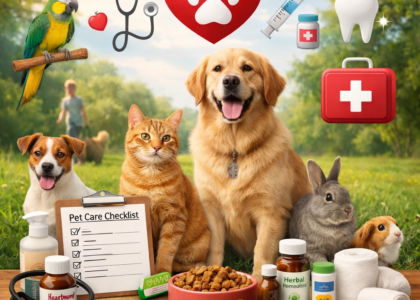
Understanding pet health information is the foundation of responsible pet ownership. Pet health information includes all details related to your pet’s physical, emotional, and behavioral well-being. This can range from nutrition guidelines, recommended vaccination schedules, and grooming requirements to exercise needs, early disease symptoms, and emergency care instructions. Having access to accurate pet health information helps owners make informed decisions, prevent illnesses, improve longevity, and provide a higher quality of life for their pets.
Many pet owners unknowingly rely on social media posts, old home remedies, and unverified “pet advice” that can cause more harm than good. Misinformation leads to incorrect diets, delayed vet visits, and overlooked symptoms that could have been prevented with the right knowledge. This is why having reliable, research-backed and veterinarian-approved pet health information is essential.
Why Reliable Pet Health Information Matters
Reliable pet health information empowers you to take proactive steps in caring for your pet. Accurate knowledge allows you to understand early warning signs, appropriate feeding guidelines, behavioral changes, seasonal risks, and preventive care methods. Studies show that pets with informed owners live 2–4 years longer on average, simply because health conditions are caught early and managed properly.
How Pet Health Information Helps Prevent Diseases
Good pet health information teaches owners how to:
- Identify early-stage symptoms
- Recognize abnormal behavior
- Understand breed-specific risks
- Follow proper hygiene routines
- Use preventive medications
- Maintain weight and fitness
For example, knowing that obesity increases a pet’s risk of diabetes by up to 70% helps owners become more mindful of calorie intake and exercise.
Common Mistakes Pet Owners Make Due to Misinformation
Many health problems begin with simple misunderstandings. Common mistakes include:
- Feeding pets human food assuming it’s safe
- Skipping annual checkups to save money
- Following social media “cures” like coconut oil or turmeric
- Ignoring dental health
- Overfeeding
- Using incorrect grooming products
A survey by the American Veterinary Medical Association shows that 35% of pet owners use social media as a primary source of pet health information, yet most of these tips are not scientifically verified.
Signs You Are Using Trustworthy vs Unreliable Sources
Trustworthy sources include:
- Licensed veterinarians
- Government health agencies
- Animal welfare organizations
- Veterinary hospitals with certified staff
- Peer-reviewed research
Unreliable sources include:
- Anonymous social media posts
- Unverified “pet hack” videos
- Non-veterinary bloggers
- Outdated forums
- Homemade “treatments” without scientific backing
A simple rule: If the advice replaces professional care, it’s likely unsafe.
Understanding Your Pet’s Basic Health Needs
Every animal, regardless of species or breed, relies on a consistent foundation of care to stay healthy. This includes proper nutrition, clean water, safe shelter, routine exercise, grooming, social interaction, and medical care. Understanding these fundamental needs is one of the most essential forms of pet health information, as it equips owners to create a stable environment where pets can thrive physically and emotionally.
A healthy pet is not just free from illness—it’s energetic, mentally stimulated, emotionally stable, and physically nourished. Many long-term health problems develop slowly and silently due to gaps in basic care. By learning the core elements of everyday pet well-being, owners can prevent 60–70% of common illnesses before they even begin.
Core Components of Good Pet Health
Below are the primary pillars of pet health information that every owner must follow:
| Core Health Component | Why It Matters |
|---|---|
| Balanced Nutrition | Prevents obesity, boosts immunity, improves energy. |
| Clean Water | Avoids dehydration, kidney issues, overheating. |
| Routine Exercise | Supports joint health, weight control, and mental wellness. |
| Regular Vet Checkups | Early detection of diseases and professional guidance. |
| Grooming & Hygiene | Prevents skin infections, parasites, and discomfort. |
| Safe Environment | Reduces stress and prevents accidents or injuries. |
| Mental Stimulation | Prevents anxiety, depression, and destructive behaviors. |
These elements form the framework of all reliable pet health information, and missing even one of them can create gaps in a pet’s long-term wellness.
Essential Daily Care Routines
Daily routines are the building blocks of lifelong pet health. Here’s what most pets need every single day:
- Fresh water throughout the day
- Multiple bathroom breaks
- Scheduled feeding times
- Physical exercise (walks, play sessions, or free movement)
- Social interaction with humans or other pets
- Mental enrichment (toys, training, puzzles)
- A clean and safe place to sleep
Owners who follow a consistent routine generally notice:
- Fewer behavioral issues
- Better appetite regulation
- Increased energy levels
- Stable emotional behavior
A study from a veterinary behavior journal shows that pets with regular routines experience 40% less anxiety, especially dogs and cats.
Age-Specific Pet Health Information (Puppy, Adult, Senior)
Different life stages require tailored pet health information. The needs of a puppy or kitten are not the same as a senior pet.
Puppies & Kittens
- Need frequent meals due to small stomachs
- Require early socialization
- Must follow strict vaccination schedules
- Benefit from training for long-term behavior development
Adult Pets
- Need consistent exercise
- Must maintain healthy weight
- Require routine vet visits and preventive care
- Should have regular dental cleaning
Senior Pets
- Need special diets for aging organs
- Require more frequent health screenings
- May need joint supplements
- Benefit from a calm, predictable environment
Aging pets naturally face issues like arthritis, kidney decline, or vision changes. Owners who follow senior-specific pet health information can greatly improve comfort and lifespan.
Nutrition and Diet: Key Pet Health Information Every Owner Should Know
Proper nutrition is one of the most critical aspects of pet health information. A balanced diet supports every system in your pet’s body, from digestion and immunity to skin, coat, and cognitive function. Poor nutrition is linked to obesity, diabetes, dental disease, and even shortened lifespan. Understanding what to feed, how much to feed, and when to feed is essential for all pet owners.
Pets have unique nutritional needs depending on their species, breed, age, activity level, and health status. For example, a large-breed puppy requires controlled calcium levels to prevent bone disorders, while a senior cat may need fewer calories but higher protein to maintain muscle mass.
What Makes a Balanced Diet for Pets?
A well-balanced pet diet generally includes:
- Proteins: Support muscle growth and repair (chicken, beef, fish, eggs)
- Fats: Provide energy, improve coat health, and absorb vitamins
- Carbohydrates: Offer energy and fiber for digestion (rice, sweet potatoes, grains)
- Vitamins & Minerals: Essential for organ function, immunity, and bone health
- Water: The most critical nutrient for hydration and metabolic functions
The balance differs by species: dogs are omnivores and can handle some grains and vegetables, while cats are obligate carnivores and require higher protein and taurine.
Recommended Food Types (Dry, Wet, Raw, Homemade)
Each pet food type has pros and cons:
- Dry Food (Kibble)
- Pros: Convenient, affordable, supports dental health
- Cons: Less moisture, may not suit pets with kidney or urinary issues
- Wet Food (Canned)
- Pros: High moisture content, palatable, supports hydration
- Cons: More expensive, spoils quickly after opening
- Raw Diet (BARF – Biologically Appropriate Raw Food)
- Pros: Natural, high protein, closer to ancestral diet
- Cons: Risk of bacterial contamination, requires careful handling
- Homemade Diets
- Pros: Fully controlled ingredients, customizable
- Cons: Requires careful balancing to avoid nutrient deficiencies
A combination of dry and wet food is often recommended for variety and overall nutrition.
Foods Pets Should Never Eat
Certain human foods are toxic to pets and can cause serious illness or death:
- Chocolate, coffee, caffeine
- Grapes and raisins
- Onions and garlic
- Alcohol and yeast dough
- Macadamia nuts
- Artificial sweeteners (xylitol)
Even small amounts of these foods can trigger vomiting, seizures, or organ failure. Pet health information resources consistently warn owners to avoid these items entirely.
How Much Should Your Pet Eat? Portion & Feeding Schedules
Proper portion control prevents obesity, digestive issues, and metabolic diseases. Feeding guidelines depend on:
- Species and breed
- Age and life stage
- Activity level
- Health conditions
Example feeding schedule for adult dogs:
- Small breed: ½ to 1 cup twice daily
- Medium breed: 1–2 cups twice daily
- Large breed: 2–4 cups twice daily
Always consult your veterinarian for personalized feeding recommendations. Overfeeding is one of the leading causes of pet obesity.
Understanding Pet Food Labels
Pet food labels provide important health information:
- Ingredients list: The first 5 ingredients are the most significant
- Guaranteed analysis: Protein, fat, fiber, moisture percentages
- Nutritional adequacy statement: Confirms if the food meets AAFCO standards
- Feeding instructions: Recommended portion size based on weight
Learning to read and interpret labels is an essential part of pet health information.
Supplements and Vitamins: When Are They Needed?
Most high-quality commercial pet foods already contain essential nutrients. Supplements are typically recommended only in specific situations:
- Joint support (glucosamine, chondroitin)
- Omega-3 fatty acids for skin and coat
- Probiotics for digestive health
- Vitamin deficiencies diagnosed by a vet
Unnecessary supplementation can be harmful. Always consult a veterinarian before adding supplements.
Vaccinations and Preventive Care
Vaccinations and preventive care are core components of pet health information. They protect pets from life-threatening diseases, reduce the risk of spreading illnesses to other animals, and are often less expensive than treating diseases after they occur. Understanding which vaccines and preventive measures your pet needs is essential for maintaining long-term health.
Preventive care extends beyond vaccinations. It includes parasite control, regular dental care, grooming, and routine health screenings. By following a preventive approach, pet owners can detect early signs of disease, address minor issues before they escalate, and improve their pet’s quality of life.
Core vs Non-Core Vaccines
Vaccines are divided into two main categories:
Core Vaccines – Recommended for all pets regardless of lifestyle or location. They protect against highly contagious or fatal diseases. Examples include:
- Dogs: Rabies, Distemper, Parvovirus, Adenovirus
- Cats: Rabies, Feline Viral Rhinotracheitis, Calicivirus, Panleukopenia
Non-Core Vaccines – Administered based on risk factors such as environment, breed, or lifestyle. Examples include:
- Dogs: Bordetella (kennel cough), Leptospirosis, Lyme disease
- Cats: Feline Leukemia Virus (FeLV), Chlamydia
Choosing the right vaccine schedule ensures pets are protected without unnecessary vaccinations.
Vaccination Schedules for Dogs and Cats
Vaccination schedules vary depending on age and type of vaccine. A typical schedule looks like this:
Puppies/Kittens:
- Begin vaccines at 6–8 weeks
- Boost every 3–4 weeks until 16 weeks
- Rabies vaccine around 12–16 weeks
Adult Pets:
- Annual boosters or every 3 years for some vaccines
Keeping a vaccination record is a key part of pet health information, as it helps track protection status and ensures timely follow-ups.
Preventive Medicines (Flea, Tick, Heartworm)
Preventive medicines reduce the risk of infections and parasitic diseases:
- Flea and Tick Control: Monthly topical treatments or oral medications prevent infestations and tick-borne diseases like Lyme disease.
- Heartworm Prevention: Administered monthly for dogs and cats in areas where heartworm is common.
- Deworming: Puppies and kittens require frequent deworming, adults may need periodic treatments based on lifestyle.
Effective preventive care protects both pets and their owners from zoonotic diseases.
Why Preventive Care Is Cheaper Than Treatment
Preventive care is cost-effective because treating advanced illnesses can be expensive. Consider this:
| Preventive Measure | Approx. Cost/Year | Treatment Cost if Disease Occurs |
|---|---|---|
| Vaccinations | $100–$300 | $500–$2,000 (per disease) |
| Flea/Tick Prevention | $100–$200 | $1,000+ for severe infestations |
| Heartworm Prevention | $100–$150 | $500–$1,500 for treatment |
Investing in regular preventive care not only protects your pet’s health but also saves significant financial costs in the long run. According to the American Animal Hospital Association, pets receiving consistent preventive care have a 50% lower risk of severe disease and hospitalization.
Common Pet Health Problems and Symptoms to Watch
Understanding common health problems and their warning signs is a crucial part of pet health information. Early recognition of illness allows for prompt veterinary care, which often results in faster recovery, lower treatment costs, and a better prognosis. Pets, especially cats and dogs, are skilled at hiding discomfort, so owners must be vigilant in monitoring changes in behavior, appetite, and physical appearance.
Regular observation combined with routine vet visits is the best way to prevent minor issues from escalating into serious conditions. The following are some of the most frequently encountered pet health problems and the symptoms you should watch for.
Skin Issues: Allergies, Itching, Rashes
Skin problems are among the most common complaints in pets. Symptoms include:
- Persistent scratching or licking
- Red, inflamed, or flaky skin
- Hair loss or bald patches
- Unusual odors
Causes can range from allergies (food or environmental), parasites (fleas, mites), infections, to underlying systemic illnesses. According to a study published in the Journal of Veterinary Dermatology, up to 20% of dogs experience at least one allergic skin condition in their lifetime.
Digestive Problems: Vomiting, Diarrhea, Loss of Appetite
Digestive issues can indicate mild problems like dietary indiscretion or more serious conditions like infections, pancreatitis, or organ disease. Key signs to watch for:
- Repeated vomiting or diarrhea
- Blood in stool or vomit
- Severe dehydration
- Sudden changes in appetite
Monitoring hydration and stool quality, along with proper diet, is critical. Persistent issues always require veterinary evaluation.
Dental Issues: Plaque, Gum Disease, Bad Breath
Oral health is often overlooked, yet dental problems can lead to systemic illnesses. Common signs include:
- Bad breath (halitosis)
- Red, swollen, or bleeding gums
- Difficulty chewing or dropping food
- Loose or missing teeth
According to the American Veterinary Dental College, 70–80% of dogs and cats show signs of dental disease by age three, making dental care a fundamental aspect of pet health information.
Joint and Mobility Problems
Pets, especially larger breeds or older animals, are prone to joint and mobility issues like arthritis or hip dysplasia. Symptoms include:
- Stiffness or limping
- Difficulty rising or climbing stairs
- Reluctance to exercise or play
- Swelling in joints
Early intervention with supplements, weight management, and physiotherapy can significantly improve quality of life.
Signs of Respiratory Issues
Respiratory illnesses can be serious and sometimes life-threatening. Watch for:
- Persistent coughing or sneezing
- Labored or noisy breathing
- Nasal discharge or bleeding
- Lethargy or exercise intolerance
Conditions like kennel cough, feline asthma, or heart disease often first present as subtle respiratory changes.
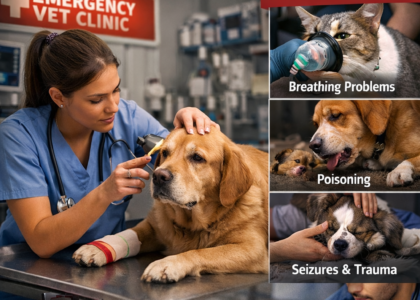
Red-Flag Symptoms That Need Urgent Vet Attention
Certain symptoms indicate immediate veterinary care is required:
- Seizures or collapse
- Difficulty breathing
- Uncontrolled bleeding
- Severe vomiting or diarrhea
- Sudden swelling or trauma
- Inability to urinate
Being aware of these red-flag signs is a key component of proactive pet health information and can save lives.
Pet Health Information for Specific Conditions
Pets can develop a variety of chronic or acute health conditions that require careful monitoring and management. Understanding these conditions is an essential part of pet health information, allowing owners to identify symptoms early, implement preventive strategies, and work with veterinarians for effective treatment. Here’s a detailed look at common pet health issues and what owners should know.
H3: Diabetes in Pets
Diabetes is increasingly common, especially in overweight dogs and cats. Key symptoms include:
- Excessive thirst and urination
- Sudden weight loss
- Increased appetite
- Lethargy
Management includes blood sugar monitoring, insulin therapy, dietary adjustments, and regular vet check-ups. According to the American Animal Hospital Association, obesity doubles the risk of diabetes in pets, highlighting the importance of diet and exercise in preventive care.
Obesity and Weight Management
Obesity is one of the leading preventable health issues in pets. It can lead to:
- Diabetes
- Heart disease
- Joint problems
- Decreased lifespan
Owners should monitor body condition scores and maintain a proper diet and exercise routine. Even a 5–10% weight reduction can significantly improve health outcomes in overweight pets.
Kidney and Liver Diseases
Kidney and liver diseases often progress silently until advanced stages. Symptoms include:
- Increased thirst and urination
- Vomiting or diarrhea
- Loss of appetite
- Jaundice (yellowing of skin or eyes)
Regular bloodwork and urine tests are vital for early detection. Diet modifications, medications, and monitoring are the primary treatments to slow disease progression.
Common Cancers in Pets
Cancer is a leading cause of death in older pets. Common types include lymphoma, mast cell tumors, and mammary cancer. Warning signs include:
- Lumps or bumps
- Unexplained weight loss
- Persistent sores
- Difficulty breathing or eating
Early detection through regular veterinary check-ups improves treatment success. Treatment may involve surgery, chemotherapy, or palliative care depending on the stage and type.
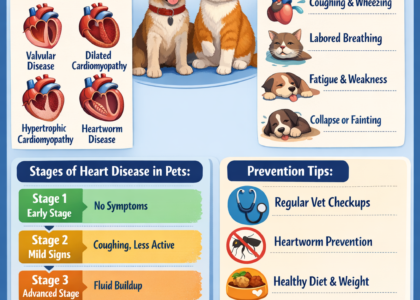
Heart Diseases and Their Symptoms
Heart disease affects both dogs and cats and can range from congenital issues to acquired conditions like valve problems or cardiomyopathy. Symptoms include:
- Coughing, especially at night
- Difficulty breathing
- Lethargy
- Fainting or weakness
Treatment often includes medications, dietary management, and lifestyle adjustments. Monitoring for early signs is critical, as pets often hide symptoms until the disease is advanced.
Parasite-Related Illnesses
Parasites, both internal and external, can severely affect pet health. Common parasites include:
- Fleas and ticks: cause itching, infections, and transmit diseases
- Heartworms: life-threatening, preventable with monthly medication
- Intestinal worms (roundworms, tapeworms): cause weight loss, diarrhea, and vomiting
Regular preventive care and routine stool checks are essential components of pet health information. Using veterinary-approved preventives can protect pets and reduce zoonotic risks to humans.
Grooming and Hygiene Tips That Improve Pet Health
Proper grooming and hygiene are vital aspects of pet health information. Beyond making pets look clean and well-kept, grooming directly affects their physical and mental well-being. Regular grooming prevents infections, reduces shedding, promotes healthy skin and coat, and allows owners to detect early signs of health issues.
Neglecting grooming can lead to discomfort, skin diseases, and even behavioral problems. Many pets develop anxiety or aggression when they are in pain or discomfort caused by poor hygiene, highlighting the importance of regular care.
Bathing, Brushing, and Coat Care
- Bathing: Most pets benefit from a bath every 3–6 weeks depending on breed and activity level. Use mild, pet-safe shampoos to prevent skin irritation.
- Brushing: Removes loose hair, prevents matting, and stimulates natural oil production for a healthy coat. Long-haired breeds may require daily brushing.
- Coat Care Tips: Check for parasites, skin redness, or lumps during grooming sessions. Seasonal shedding can be managed with more frequent brushing.
Nail Trimming and Paw Care
Long nails can cause pain, abnormal gait, and even joint problems. Guidelines include:
- Trim nails every 3–4 weeks (frequency depends on activity and surface walked on)
- Check paw pads for cuts, infections, or foreign objects
- Moisturize paw pads if dry or cracked
Proper paw care improves mobility and reduces the risk of injury.
Ear Cleaning and Eye Hygiene
- Ear Care: Clean ears weekly for breeds prone to wax buildup or infections. Use veterinary-approved solutions and avoid inserting objects too deeply.
- Eye Care: Wipe away discharge, check for redness or cloudiness, and consult a vet if abnormalities persist.
Neglected ears and eyes can lead to infections, hearing loss, and vision problems, affecting overall quality of life.
Why Grooming Impacts Long-Term Pet Health
Regular grooming is not just cosmetic—it supports:
- Skin and coat health: Reduces infections and matting
- Parasite detection: Early identification of fleas, ticks, and mites
- Physical monitoring: Early detection of lumps, bumps, or injuries
- Mental wellness: Pets often feel more comfortable and less stressed
Grooming sessions also create bonding time, reducing anxiety and strengthening the owner-pet relationship. According to the Journal of Applied Animal Welfare Science, regular grooming reduces stress behaviors in 65% of pets studied.
Exercise and Mental Wellness
Exercise and mental stimulation are essential components of pet health information. Physical activity helps maintain healthy weight, supports joint function, improves cardiovascular health, and reduces behavioral problems. Mental enrichment keeps pets engaged, reduces anxiety, and prevents destructive behavior caused by boredom.
Lack of exercise or mental stimulation is a common cause of obesity, depression, and behavioral issues in pets. A well-rounded routine that combines physical and mental activity promotes long-term health and happiness.
How Much Exercise Does Your Pet Need?
Exercise requirements vary by species, breed, age, and health status:
- Dogs: Small breeds need 30–60 minutes daily; larger or high-energy breeds may need 1–2 hours.
- Cats: Indoor cats benefit from 15–30 minutes of active play multiple times per day.
- Small mammals (rabbits, guinea pigs): Require daily free-roaming time and climbing or tunnel activities.
- Birds: Need flight time or wing exercises and interactive play.
Exercise prevents obesity, strengthens muscles, and promotes cardiovascular health. A sedentary lifestyle can lead to metabolic issues, heart disease, and joint problems.
Brain-Stimulating Games and Toys
Mental stimulation is just as important as physical activity. Ideas include:
- Puzzle feeders that hide food
- Training sessions with rewards
- Interactive toys for cats or dogs
- Enrichment activities for birds like foraging toys
- Obstacle courses for rabbits and small mammals
Mental enrichment reduces anxiety, encourages problem-solving, and prevents destructive behaviors caused by boredom.
How Exercise Prevents Major Health Issues
Regular exercise contributes to:
- Weight management – reducing risk of obesity and diabetes
- Joint and bone health – preventing arthritis and mobility issues
- Cardiovascular fitness – supporting heart and lung function
- Mental well-being – decreasing stress and destructive tendencies
For example, studies show that dogs receiving daily structured exercise are 50% less likely to develop obesity-related conditions compared to sedentary pets.
Signs Your Pet Is Bored or Stressed
Behavioral signs indicate the need for more activity or enrichment:
- Excessive barking or meowing
- Chewing furniture or shoes
- Over-grooming or hair pulling
- Lethargy or disinterest in play
Providing a combination of physical exercise and mental stimulation is critical to overall pet health information. Regularly updating routines based on your pet’s age, breed, and energy level ensures continued engagement and well-being.
Pet Health Information by Species
Different species have unique health requirements, which makes species-specific pet health information essential. Dogs, cats, birds, and small mammals each have distinct nutritional, exercise, grooming, and medical needs. Understanding these differences helps owners provide optimal care and prevents species-specific health issues.
Dog Health Information
Dogs require a combination of physical exercise, mental stimulation, and preventive medical care:
- Diet: High-quality commercial or balanced homemade diet with protein, fats, and fiber
- Exercise: Daily walks, playtime, and socialization
- Preventive Care: Vaccinations, flea/tick control, dental care, heartworm prevention
- Behavior Monitoring: Watch for anxiety, aggression, or sudden changes in behavior
Common health concerns: obesity, arthritis, skin allergies, and digestive issues.
Cat Health Information
Cats often hide symptoms, so regular monitoring is critical:
- Diet: High-protein diet; wet food can aid hydration
- Exercise: Interactive play, climbing structures, and scratching posts
- Preventive Care: Vaccinations, dental care, parasite prevention
- Behavior Monitoring: Litter box habits, grooming changes, or sudden lethargy
Common health concerns: urinary tract infections, obesity, diabetes, and dental disease.
Bird Health Basics
Birds are sensitive to diet and environmental changes:
- Diet: Species-specific diet including seeds, pellets, fruits, and vegetables
- Exercise: Flight or wing exercise, climbing, and interactive play
- Preventive Care: Regular vet checkups, beak and nail trimming, and cage hygiene
- Behavior Monitoring: Feather plucking, appetite changes, or unusual vocalizations
Common health concerns: respiratory infections, nutritional deficiencies, and stress-related behaviors.
Small Pets (Rabbits, Hamsters, Guinea Pigs)
Small mammals require careful attention to diet and environment:
- Diet: Fresh vegetables, hay, and species-appropriate pellets
- Exercise: Daily free-roaming or cage enrichment
- Preventive Care: Regular vet visits, dental checks, and grooming
- Behavior Monitoring: Eating habits, droppings, and activity level
Common health concerns: dental overgrowth, gastrointestinal stasis, obesity, and respiratory issues.
Reptiles: Unique Health Needs
Reptiles need specialized care based on species:
- Diet: Insects, vegetables, or commercial reptile diets depending on species
- Environment: Temperature, humidity, and lighting critical for metabolic health
- Preventive Care: Regular vet checkups and parasite monitoring
- Behavior Monitoring: Activity level, feeding patterns, shedding issues
Common health concerns: metabolic bone disease, respiratory infections, and dehydration.