
How to Choose the Right Veterinarian: Complete Expert Guide
Choosing a veterinarian is one of the most important healthcare decisions you will make for your pet because it directly impacts their long-term health, quality of life, and overall lifespan. A good veterinarian does much more than treat illness—they provide preventive care, nutritional guidance, behavioral support, and emergency management when needed.
A trusted veterinary professional acts as a long-term partner in your pet’s well-being, helping you make informed decisions at every stage of life. From vaccinations and routine checkups to chronic disease management, their role is essential in ensuring your pet stays healthy and comfortable.
In this expanded guide on how to choose the right veterinarian, we will explore key evaluation factors such as clinic quality, medical expertise, communication style, and emergency support systems. This will help you make a confident and informed decision for your pet’s care.
The first step in choosing the right veterinarian is evaluating their qualifications, licensing, and clinical experience. A certified veterinarian should have proper veterinary education, valid licensing, and experience in treating a variety of animals and medical conditions.
It is also important to assess the clinic’s facilities and equipment. A well-equipped veterinary clinic should have diagnostic tools, surgical capabilities, and emergency care resources to handle different health situations effectively.
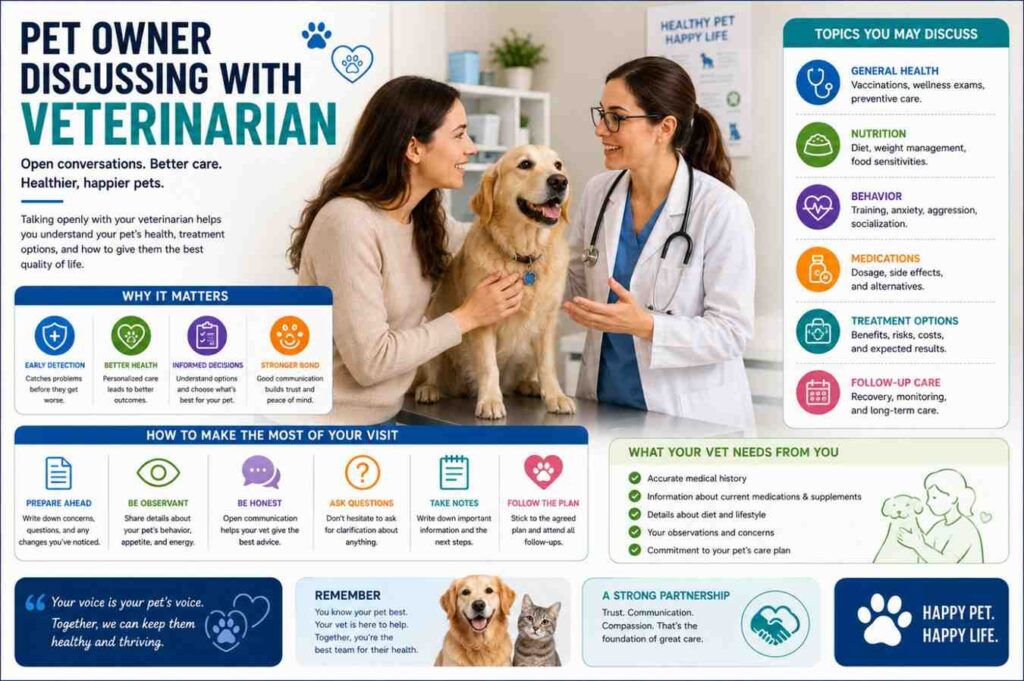
Equally important is communication. A good veterinarian should explain diagnoses clearly, discuss treatment options openly, and ensure that pet owners fully understand the care plan before proceeding with any treatment.
Why Choosing the Right Veterinarian Matters
Choosing the right veterinarian is not just a routine decision—it is a long-term partnership that shapes your pet’s overall health journey. Many pet owners underestimate this step and only realize its importance during emergencies or chronic illness management. A good veterinarian ensures early detection of diseases, structured preventive care, and timely intervention, all of which significantly improve outcomes for pets.
Beyond medical expertise, the emotional and communication aspect is equally important. Pets are family members, and their care requires trust between the veterinarian and the owner. When this trust is strong, decision-making becomes easier, especially in stressful or emergency situations.
Additionally, veterinary care is not limited to treatment alone. It includes vaccinations, dental care, dietary guidance, behavioral assessments, and lifestyle recommendations. A skilled veterinarian helps you build a long-term health plan tailored to your pet’s breed, age, and environment.
In short, selecting the right veterinary professional ensures continuity of care, reduces medical risks, and improves your pet’s overall quality of life.
| User Question (Search Intent) | Direct Answer (AEO Optimized) | Importance |
|---|---|---|
| How to choose the right veterinarian? | Choose a vet with proper qualifications, strong communication, clean facilities, and emergency support. | High |
| What should I look for in a good vet? | Experience, certifications, compassion, and clear treatment explanations. | High |
| How do I know if a vet is trustworthy? | They are transparent about pricing, explain treatments clearly, and handle pets gently. | High |
| Is clinic equipment important? | Yes, modern diagnostic tools ensure accurate and fast treatment. | Medium |
| Should location matter when choosing a vet? | Yes, nearby vets are crucial for emergencies and regular visits. | Medium |
| Do expensive vets mean better care? | Not always; quality depends on expertise and facilities, not price alone. | High |
Long-term Pet Health and Preventive Care
Preventive care is the foundation of modern veterinary medicine, focusing on avoiding disease rather than only treating illness after it occurs. A qualified veterinarian develops a structured wellness plan that typically includes vaccinations, parasite prevention, dental care, weight management, and regular health screenings.
Routine checkups allow veterinarians to detect early signs of illness that may not be obvious to pet owners. Subtle changes in behavior, appetite, weight, or mobility can indicate underlying health issues, and early detection often leads to more effective and less costly treatment.
Over time, consistent preventive care builds a complete health history of the pet, allowing the veterinarian to make more accurate diagnoses and personalized treatment decisions. This long-term monitoring is especially important as pets age and become more vulnerable to chronic conditions.
Preventive care is not a one-time service but an ongoing process that evolves based on the pet’s age, breed, lifestyle, and medical history.
Emotional trust between pet owner and vet
Emotional trust is a crucial part of the relationship between pet owners and veterinarians. When trust is strong, pet owners are more likely to follow medical advice, attend regular checkups, and seek help early when symptoms appear.
This trust is built through clear communication, empathy, and consistency in care. A good veterinarian explains medical conditions in simple, understandable language so that pet owners feel informed rather than overwhelmed.
Strong emotional trust becomes especially important during difficult decisions such as surgery, chronic illness management, or end-of-life care, where guidance and support are essential.
Impact on emergency decision-making
In emergency situations, having an established relationship with a trusted veterinarian can make a significant difference in outcomes. Familiarity with the pet’s medical history allows for faster diagnosis and more accurate treatment decisions.
This reduces delays during critical moments such as poisoning, accidents, or sudden illness, where time plays a vital role in survival and recovery.
A veterinarian who already knows the pet’s background can act quickly and confidently, improving the chances of effective emergency care and better overall outcomes.
Qualifications and Credentials of a Good Veterinarian
A veterinarian’s qualifications are a key indicator of the quality and safety of care your pet will receive. Proper education, licensing, and ongoing professional development ensure that a veterinarian is equipped to diagnose, treat, and manage a wide range of animal health conditions effectively.
In addition to formal education, practical experience plays a major role in veterinary competence. Exposure to different medical cases helps veterinarians improve their diagnostic accuracy and make better treatment decisions in both routine and emergency situations.
Evaluating credentials carefully helps pet owners choose a veterinarian who is not only qualified on paper but also capable of delivering reliable, up-to-date, and high-quality care.
Veterinary degrees and licensing requirements
A licensed veterinarian typically holds a Doctor of Veterinary Medicine (DVM) degree or an equivalent qualification from an accredited institution. After completing their degree, they must also pass national or regional licensing examinations to practice legally.
These licensing requirements ensure that veterinarians have a strong understanding of essential subjects such as animal anatomy, physiology, pharmacology, and surgical procedures. This foundation is critical for safe and effective treatment.
Licensing also serves as a regulatory safeguard, confirming that the veterinarian meets established professional standards and is qualified to provide medical care to animals.
Experience with different animal types
Some veterinarians choose to specialize in specific types of animals, such as dogs, cats, exotic pets, or livestock. Selecting a veterinarian with experience in your pet’s species ensures more accurate diagnosis and appropriate treatment approaches.
Experienced veterinarians are often better equipped to handle complex or uncommon medical cases because they have encountered a wider variety of conditions throughout their practice.
This depth of experience can lead to faster decision-making, more effective treatment plans, and improved outcomes for the animal.
Continuing education and certifications
Veterinary medicine is constantly evolving, with new treatments, technologies, and research emerging regularly. For this reason, continuing education is essential for maintaining high standards of care.
Many veterinarians pursue additional certifications and training programs offered by professional veterinary associations. These credentials demonstrate a commitment to learning and staying updated with modern medical practices.
Ongoing education ensures that veterinarians can offer advanced diagnostic methods and the latest treatment options, ultimately improving the quality of care your pet receives.
Evaluating Veterinary Clinic Facilities
The quality of a veterinary clinic plays a major role in determining how accurately conditions are diagnosed and how effectively treatments are delivered. Beyond the veterinarian’s skills, the clinic environment, equipment, and overall organization significantly influence the standard of care your pet receives.
A well-maintained veterinary facility reflects professionalism, attention to detail, and a commitment to animal welfare. Evaluating these aspects helps pet owners ensure that their pets are treated in a safe, clean, and well-equipped medical environment.
Careful assessment of clinic facilities also helps reduce risks, improve treatment outcomes, and ensure that your pet receives timely and appropriate medical attention when needed.
Cleanliness and hygiene standards
Cleanliness is one of the most important indicators of a trustworthy veterinary clinic. A properly maintained clinic minimizes the risk of infections and ensures a safe environment for both pets and staff.
Good hygiene practices include regular disinfection of examination rooms, sterilization of surgical instruments, and proper waste disposal systems. These measures reflect a clinic’s commitment to safety and professional standards.
Poor sanitation or visible neglect in cleanliness can be a serious warning sign and may indicate a higher risk of complications during treatment.
Diagnostic and emergency equipment availability
A well-equipped veterinary clinic should have modern diagnostic tools such as X-ray machines, ultrasound systems, and in-house laboratory facilities. These technologies allow for faster and more accurate diagnosis of medical conditions.
Access to advanced equipment is especially important during emergencies, where quick decision-making can be critical for the pet’s survival and recovery.
Clinics that invest in up-to-date diagnostic tools are generally better prepared to handle complex medical cases and provide comprehensive care under one roof.
Pet handling and comfort areas
Proper pet handling techniques are essential to reduce stress and anxiety during veterinary visits. Trained staff should know how to safely and calmly handle animals of different sizes, temperaments, and conditions.
Comfortable waiting and examination areas also play an important role in improving the overall experience for both pets and their owners. A calm environment helps reduce fear and makes examinations easier and more effective.
Clinics that prioritize animal comfort demonstrate a deeper understanding of animal behavior and a stronger commitment to compassionate care.
Services and Specializations Offered
Veterinary clinics vary widely in the range of services they provide, and understanding these differences is essential when choosing the right care provider for your pet. Some clinics focus primarily on basic preventive care, while others offer advanced diagnostic and surgical services.
A clinic’s service range reflects its level of expertise, equipment availability, and ability to manage both routine and complex medical conditions. Choosing a clinic with the right specializations ensures that your pet receives appropriate care at every stage of life.
Evaluating available services also helps you avoid delays in treatment by ensuring that essential care is available when needed, either in-house or through a reliable referral system.
General checkups and preventive care
General checkups and preventive care form the foundation of veterinary medicine. These services typically include vaccinations, routine health examinations, dental care, parasite prevention, and nutritional guidance.
Regular preventive visits help detect early signs of illness before they become serious health problems. This proactive approach improves long-term health outcomes and reduces the risk of costly emergency treatments.
Clinics that prioritize preventive care demonstrate a strong commitment to maintaining lifelong wellness rather than only treating diseases after they occur.
Surgical and emergency care support
Surgical and emergency care services are critical for managing urgent and life-threatening conditions. These may include trauma care, internal surgeries, wound treatment, and emergency stabilization procedures.
A well-equipped veterinary clinic should be able to respond quickly in emergencies, as timely intervention often plays a key role in saving a pet’s life.
Clinics with strong surgical capabilities and emergency support systems provide greater peace of mind to pet owners, especially in high-risk situations.
Specialized treatments and diagnostics
Specialized veterinary services are designed to diagnose and treat complex or chronic conditions that require advanced expertise. These may include cardiology, dermatology, orthopedics, and internal medicine.
Access to specialized diagnostics such as advanced imaging, laboratory testing, and targeted treatment plans ensures more accurate identification of health issues.
Clinics that offer or coordinate specialized care are better equipped to manage complicated cases and provide comprehensive treatment solutions for long-term health management.
Cost, Transparency, and Treatment Plans
Cost is an important factor when choosing veterinary care, but it should never come before quality, safety, and long-term health outcomes. While affordability matters for pet owners, the real value lies in receiving accurate diagnosis, effective treatment, and reliable ongoing care.
Transparent communication about pricing and treatment options is a strong indicator of a professional and trustworthy veterinary clinic. It helps pet owners understand what they are paying for and ensures there are no unexpected financial surprises during treatment.
Evaluating cost alongside transparency and treatment planning helps ensure that decisions are made in the best interest of the pet rather than based on price alone.
Transparent pricing structure
A reputable veterinary clinic should provide clear and upfront pricing for consultations, diagnostic tests, procedures, and medications. This allows pet owners to plan financially and make informed decisions without confusion.
Transparent pricing also includes explaining what each service covers and whether additional costs may arise during treatment. This level of clarity builds trust between the veterinarian and the pet owner.
Clinics that avoid discussing costs or provide vague estimates may not be fully transparent, which can lead to misunderstandings later in the treatment process.
Value vs affordability in vet services
While affordability is important, choosing a veterinarian solely based on low cost can sometimes compromise the quality of care. Lower prices may reflect limited equipment, less experience, or reduced service quality.
True value in veterinary care includes expertise, accurate diagnosis, proper treatment planning, and access to modern medical tools. These factors often lead to better long-term health outcomes for pets.
Prioritizing value over price ensures that your pet receives safe, effective, and reliable medical attention rather than minimal or incomplete care.
Treatment plan explanations and consent
A professional veterinarian always explains treatment options clearly before proceeding with any procedure. This includes discussing the purpose of treatment, expected outcomes, possible risks, and alternative options.
Informed consent is an essential part of veterinary ethics. Pet owners should fully understand and agree to the proposed treatment plan before any procedure begins.
Clinics that prioritize communication and consent demonstrate respect for both the pet and the owner, ensuring transparency and shared decision-making throughout the care process.
Communication and Pet Handling Skills
Communication and pet handling skills are essential qualities of a good veterinarian because they directly influence how well pet owners understand their pet’s condition and how comfortable animals feel during treatment. Even highly advanced medical knowledge is less effective if it is not communicated clearly or applied with proper care and empathy.
Strong communication builds trust between the veterinarian and the pet owner, ensuring that decisions about diagnosis, treatment, and long-term care are made with full understanding and confidence. At the same time, skilled animal handling reduces stress and helps create a safer clinical environment for both pets and staff.
Evaluating these soft skills is just as important as checking medical qualifications because they determine the overall experience and effectiveness of veterinary care.
Clear explanation of pet conditions
A good veterinarian should always explain medical conditions in simple, easy-to-understand language rather than using overly technical terms. This helps pet owners fully understand what is happening with their pet’s health.
Clear explanations include discussing the diagnosis, possible causes, treatment options, and expected outcomes in a structured and transparent way. This ensures that pet owners are not left confused or uncertain about the next steps.
When communication is clear and informative, it becomes easier for pet owners to make confident and well-informed decisions about their pet’s care.
Gentle and stress-free animal handling
Proper animal handling is essential for reducing fear, anxiety, and stress during veterinary visits. Skilled veterinarians and staff know how to approach animals calmly and safely, especially those that are nervous or aggressive.
Gentle handling techniques help ensure that examinations and treatments can be performed more smoothly and accurately. When animals feel less stressed, they are more cooperative, which improves the quality of diagnosis and care.
Clinics that prioritize humane and stress-free handling demonstrate a strong commitment to animal welfare and patient comfort.
Responsiveness to pet owner concerns
Responsiveness is an important aspect of veterinary communication because pet owners often have urgent questions or concerns about their pet’s health. A reliable veterinarian should respond in a timely and supportive manner.
Quick and clear responses help reduce anxiety for pet owners and ensure that potential health issues are addressed before they become more serious. This improves overall care outcomes and strengthens trust.
Clinics that prioritize responsiveness show that they value ongoing communication and are committed to providing continuous support beyond routine visits.
Location, Accessibility, and Emergency Support
Location, accessibility, and emergency support are crucial factors when choosing a veterinary clinic because they directly affect how quickly your pet can receive care when it is needed most. In both routine and emergency situations, convenience and response time can significantly influence outcomes.
A well-located and easily accessible clinic ensures that pet owners can reach medical help without unnecessary delays, especially during urgent health crises. Accessibility also includes transportation convenience, parking availability, and ease of visiting the clinic during working hours.
Evaluating emergency readiness and scheduling flexibility helps ensure that your pet can receive timely care at any hour, reducing stress and improving overall treatment effectiveness.
Proximity and travel time considerations
The distance between your home and the veterinary clinic plays an important role in emergency situations. A nearby clinic allows for faster response times, which can be critical when dealing with sudden illness, injury, or distress.
Shorter travel time also makes it easier to attend routine checkups and follow-up appointments, ensuring consistent and uninterrupted care for your pet. This improves long-term health monitoring and treatment compliance.
Choosing a conveniently located clinic reduces stress for both pets and owners, especially when frequent visits or urgent care is required.
Availability of emergency vet services
Emergency veterinary services are essential because pets can experience health crises at any time, including nights, weekends, and holidays. A clinic that offers 24/7 emergency care provides peace of mind and immediate support when needed.
Emergency-ready clinics are equipped to handle critical situations such as accidents, poisoning, severe infections, or sudden illness. Quick access to treatment can significantly improve survival and recovery outcomes.
Having a trusted emergency vet ensures that you are not left searching for help during stressful and time-sensitive situations.
Appointment scheduling flexibility
Flexible appointment scheduling is important for managing both routine checkups and unexpected visits. A clinic that offers convenient booking options helps pet owners maintain consistent healthcare routines without unnecessary delays.
Flexibility may include same-day appointments, online booking systems, or extended working hours, making it easier to fit veterinary care into busy schedules.
Clinics with adaptable scheduling systems demonstrate a strong commitment to client convenience and long-term care continuity.
Final Decision Checklist Before Choosing a Veterinarian
Making the final decision when choosing a veterinarian requires a careful evaluation of all factors you have observed during your research and clinic visits. At this stage, it is important to combine practical experience, online feedback, and direct comparison to ensure you select the most suitable care provider for your pet.
A structured checklist approach helps eliminate guesswork and allows you to confidently choose a veterinarian who meets standards of safety, professionalism, and long-term care quality. This final step ensures that your decision is not based on assumptions but on clear and observable criteria.
By reviewing real-world clinic experiences, patient feedback, and multiple options, you can make a well-informed and reliable choice that prioritizes your pet’s health and well-being.
| Evaluation Area | What to Check | Why It Matters | Ideal Standard |
|---|---|---|---|
| Qualifications | DVM degree, licensing, certifications | Ensures medical competency | Verified by bodies like AVMA or RCVS |
| Clinic Facilities | X-ray, lab tests, surgical tools | Improves diagnosis accuracy | Fully equipped modern clinic |
| Hygiene Standards | Clean rooms, sanitized tools | Prevents infections | Strict daily sanitation protocols |
| Emergency Care | 24/7 availability or referral system | Critical for urgent cases | Always available support |
| Communication | Clear explanations, patient handling | Builds trust with owners | Simple, transparent communication |
| Experience | Years + animal type expertise | Better diagnosis accuracy | Multi-year clinical exposure |
| Cost Transparency | Clear pricing before treatment | Avoids hidden charges | Written estimates provided |
Observing clinic visit experience
Visiting a veterinary clinic in person is one of the most effective ways to evaluate its quality. During your visit, you should pay attention to cleanliness, organization, and overall environment, as these reflect hygiene standards and professionalism.
Staff behavior is equally important. Friendly, attentive, and well-trained staff indicate a clinic that values both pets and their owners. The way animals are handled during visits also provides insight into the clinic’s level of care and compassion.
A physical visit helps you understand the real atmosphere of the clinic beyond what is shown online or in advertisements.
Reading reviews and community feedback
Online reviews and community feedback provide valuable insights into the real experiences of other pet owners. Consistent positive feedback across multiple platforms often indicates reliable service and satisfactory outcomes.
Reviews can highlight important aspects such as communication quality, treatment effectiveness, pricing transparency, and staff professionalism. This helps you form a more complete picture of the clinic’s reputation.
However, it is important to focus on patterns in reviews rather than isolated opinions to ensure a balanced and accurate understanding.
Comparing multiple veterinary options
Comparing different veterinary clinics is essential before making a final decision. This allows you to evaluate differences in qualifications, services, pricing, facilities, and overall care approach.
A side-by-side comparison helps you identify which clinic best aligns with your pet’s specific needs, whether it involves routine care, emergency support, or specialized treatments.
By reviewing multiple options, you increase your chances of selecting a veterinarian who offers the best combination of expertise, trust, and long-term care quality.
Frequently Asked Questions
This section addresses some of the most common questions pet owners have when choosing a veterinarian. These answers provide quick guidance to help you make clearer and more confident decisions about your pet’s healthcare.
Understanding these key points can help you evaluate veterinarians more effectively and avoid common mistakes when selecting a clinic for long-term care.
By focusing on communication, safety, and service quality, you can ensure that your pet receives consistent and reliable medical attention.
How do I know if a veterinarian is good?
A good veterinarian communicates clearly, explains medical conditions in simple terms, and shows genuine compassion toward both pets and their owners. They should be approachable, patient, and willing to answer questions without rushing consultations.
In addition to communication, proper certifications and clinical experience are essential indicators of competence. A skilled veterinarian also demonstrates consistent, ethical care and prioritizes the well-being of the animal.
Observing how they handle pets during examinations can also help you judge their professionalism and level of expertise.
What should I look for in a vet clinic?
When evaluating a veterinary clinic, you should look for cleanliness, modern equipment, trained staff, and a well-organized environment. These factors reflect the clinic’s commitment to safety and quality care.
It is also important to check whether the clinic offers diagnostic tools, emergency support, and a range of treatment services. These ensure that your pet can receive comprehensive care when needed.
A good clinic will also maintain clear communication and provide transparent treatment plans for every patient.
How often should I take my pet to the vet?
Most pets should visit the veterinarian at least once a year for routine checkups and preventive care. These visits help detect early signs of illness and maintain overall health.
However, younger, older, or medically sensitive pets may require more frequent visits depending on their health condition and risk factors.
Regular checkups ensure long-term monitoring and help prevent serious health issues from developing unnoticed.
Are expensive vets always better?
No, higher cost does not always guarantee better veterinary care. The quality of a veterinarian depends more on experience, qualifications, facilities, and communication rather than price alone.
Some affordable clinics may still offer excellent care, while expensive ones may not always provide better value or outcomes.
It is important to evaluate overall service quality instead of focusing only on cost.
What is the most important factor in choosing a vet?
The most important factors in choosing a veterinarian are trust and communication. A vet who listens carefully and explains clearly helps pet owners make informed decisions.
Trust ensures that you feel confident in the treatment plan and comfortable discussing concerns about your pet’s health.
Without strong communication and trust, even highly skilled veterinary care may feel incomplete or stressful.
Can I switch veterinarians if I am unhappy?
Yes, you can switch veterinarians at any time if you are not satisfied with the level of care, communication, or service quality. Pet owners have the right to choose the best possible healthcare provider for their animals.
Before switching, it may be helpful to request your pet’s medical records so that the new veterinarian has a complete health history.
Changing veterinarians can be beneficial if it leads to better communication, improved care, and a more comfortable experience for both you and your pet.
Conclusion
Selecting the right veterinarian is a long-term commitment that plays a vital role in maintaining your pet’s overall health, comfort, and quality of life. A good veterinarian becomes a trusted partner who supports you through every stage of your pet’s journey, from preventive care to emergency treatment.
Taking time to carefully evaluate key factors such as qualifications, clinic facilities, communication style, and emergency support ensures that your pet receives safe, reliable, and consistent medical care. These considerations help you avoid poor choices and build a strong healthcare foundation for your pet.
Ultimately, a well-informed decision today leads to better preventive care, faster and more accurate treatment, and a healthier, happier future for your beloved pet.